



customer portals
Secure self-service for the people you sell to: accounts, orders, service requests, documents, invoices and status in one login.
Loading…
A selection of the companies and products Supremacy Technologies has engineered.









ServiceWeb Application Development
Web application development at Supremacy Technologies covers custom web applications, SaaS interfaces, dashboards, portals, admin systems and transactional products engineered for real operations. We build for the people who log in every day: the dispatcher, the account manager, the dealer, the supplier, the approver. Each screen follows a workflow your business already runs, and each permission follows a role you already have.

Most operational pain lives in a browser tab that should have been a system: a spreadsheet passed between branches, a shared inbox that doubles as an approval queue, a vendor list kept by one person. A custom web application replaces that with structured records, defined roles and a trail of who did what.
We work from Chennai as a team that starts from the workflow, not the screen design. Discovery maps who does what today, which steps are manual, which systems already hold the data, and where the web application has to connect to them. The interface comes after the rules it has to enforce.
The same engineering covers a custom web application for your own staff, a customer portal for the people you sell to, a vendor portal for the people you buy from, and dashboards and admin systems that give management one view of all of it.
Each of these is built to your roles, your data and your approval rules, then connected to the systems you already run.
Secure self-service for the people you sell to: accounts, orders, service requests, documents, invoices and status in one login.
A single place for staff requests, documents, tasks, approvals and policies, replacing the email threads and shared folders those run on today.
Supplier onboarding, compliance documents, quotation requests, purchase orders and delivery status, so procurement stops chasing email attachments.
Catalogue, order entry, claims, targets and service requests for the dealers and channel partners who sell on your behalf.
Internal back-offices for users, roles, master data, configuration and exceptions, built for the people who keep the system running.
Operational dashboards and exception queues that read from your live data, with scheduled reports for the people who prefer them in their inbox.
Order, booking, quotation and request systems where every state change is validated, recorded and reversible only through a defined path.
Authenticated portals for the businesses you trade with, covering onboarding, roles, documents, approvals and order or claim workflows. The next section covers them in depth.
A guided application for a new dealer, distributor or supplier: company details, contacts, required documents and an internal review step before the account goes live.
A partner's own administrator invites their staff and assigns roles such as buyer, accountant or viewer, so each person sees only what their job needs.
Partners upload contracts, certificates and statements against named document types, and your team reviews them. Expiry dates raise reminders before a document lapses.
Credit limits, price exceptions, new-product access and claim payouts route through the approvers you define, with escalation when a request sits too long.
Catalogue browsing, quotation, order entry, order status and dispatch visibility, with pricing and availability read from your system of record.
Partners raise a claim with supporting evidence, your team reviews and approves it in stages, and the partner sees the outcome and its history.
Partners see their own ledger-facing documents and the status of what they have submitted, which removes most of the status calls your team takes.
Every submission, approval and change is recorded against a user and a time, and the right people are notified by email at each step.
We map the workflows, users, roles, existing systems and data, and agree what the first release must do. Scope, timeline and cost follow from this step.
We settle the application structure, data model, integrations and security approach, then design the screens and states around the approved workflows.
We deliver working releases on a regular rhythm, each demonstrated to the people who will use it, so changes are cheap while they are still small.
Critical workflows, permissions and integrations are tested, and existing data is migrated in rehearsal before the real cut-over.
We pilot with a first group of users, train the rest and release through agreed gates, with a rollback path ready.
After launch we monitor production, handle incidents and keep dependencies current. Approved improvements ship as the business changes.
Supremacy built NeuroSynk Research's role-based operations platform on one login, one permission model and one source of truth.
NeuroSynk Research
Supremacy built four modules of the Windzard platform as one role-based system on one login and one permission model.
Windzard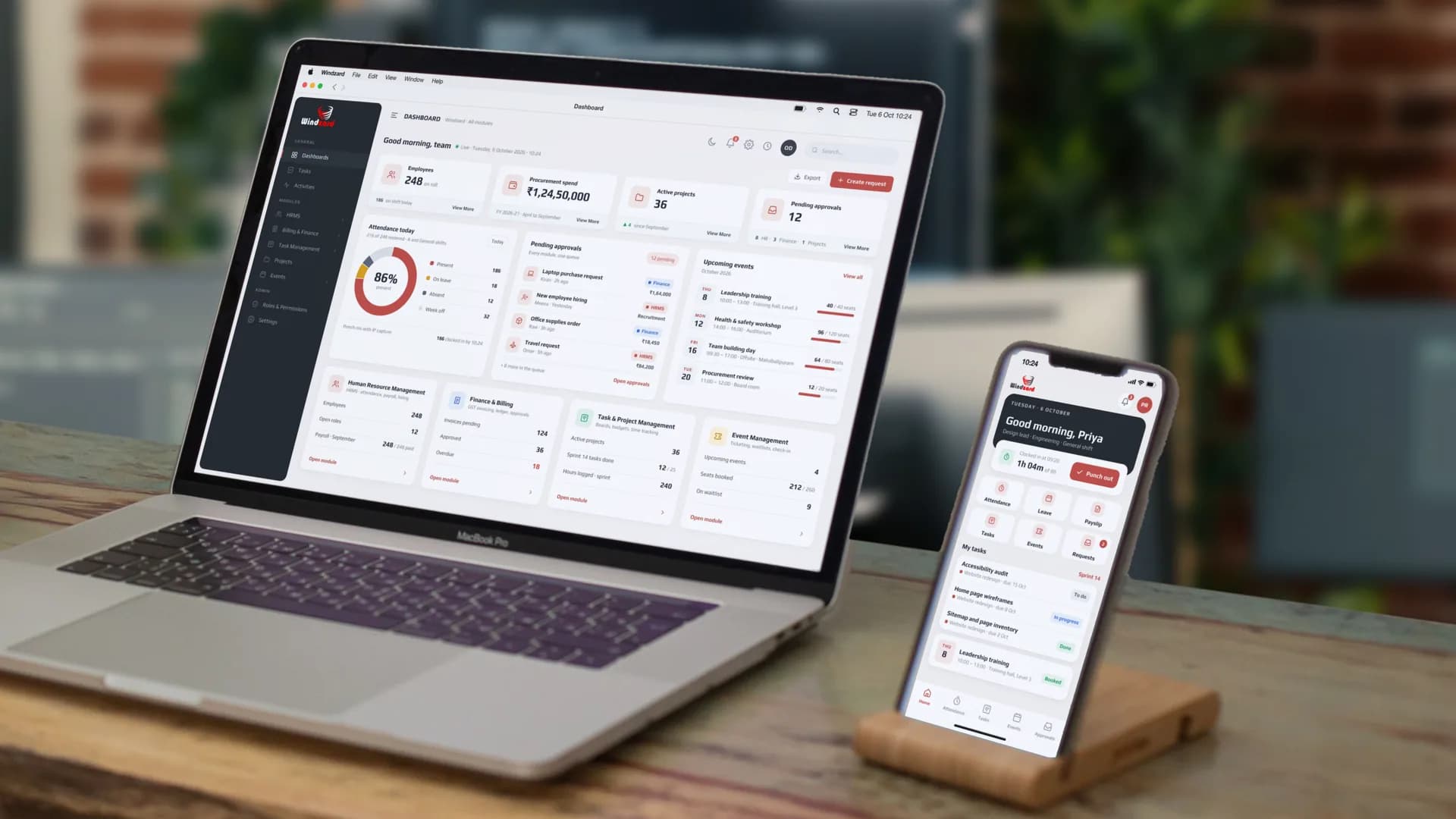

Custom software engineered around unique business workflows, internal operations, integrations and long-term product requirements.
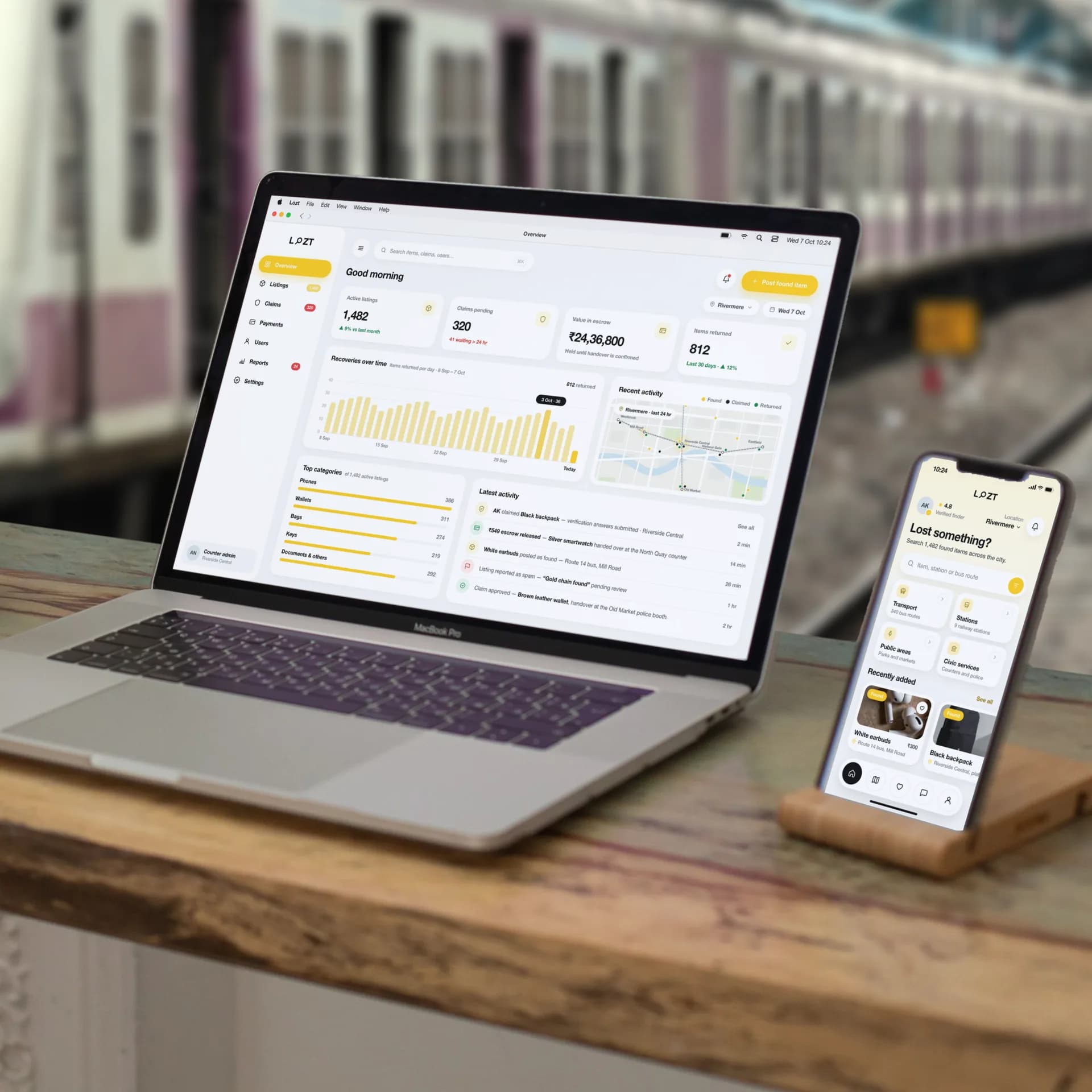
Build multi-tenant SaaS products with scalable architecture, authentication, roles, billing foundations, APIs, admin tools and deployment.
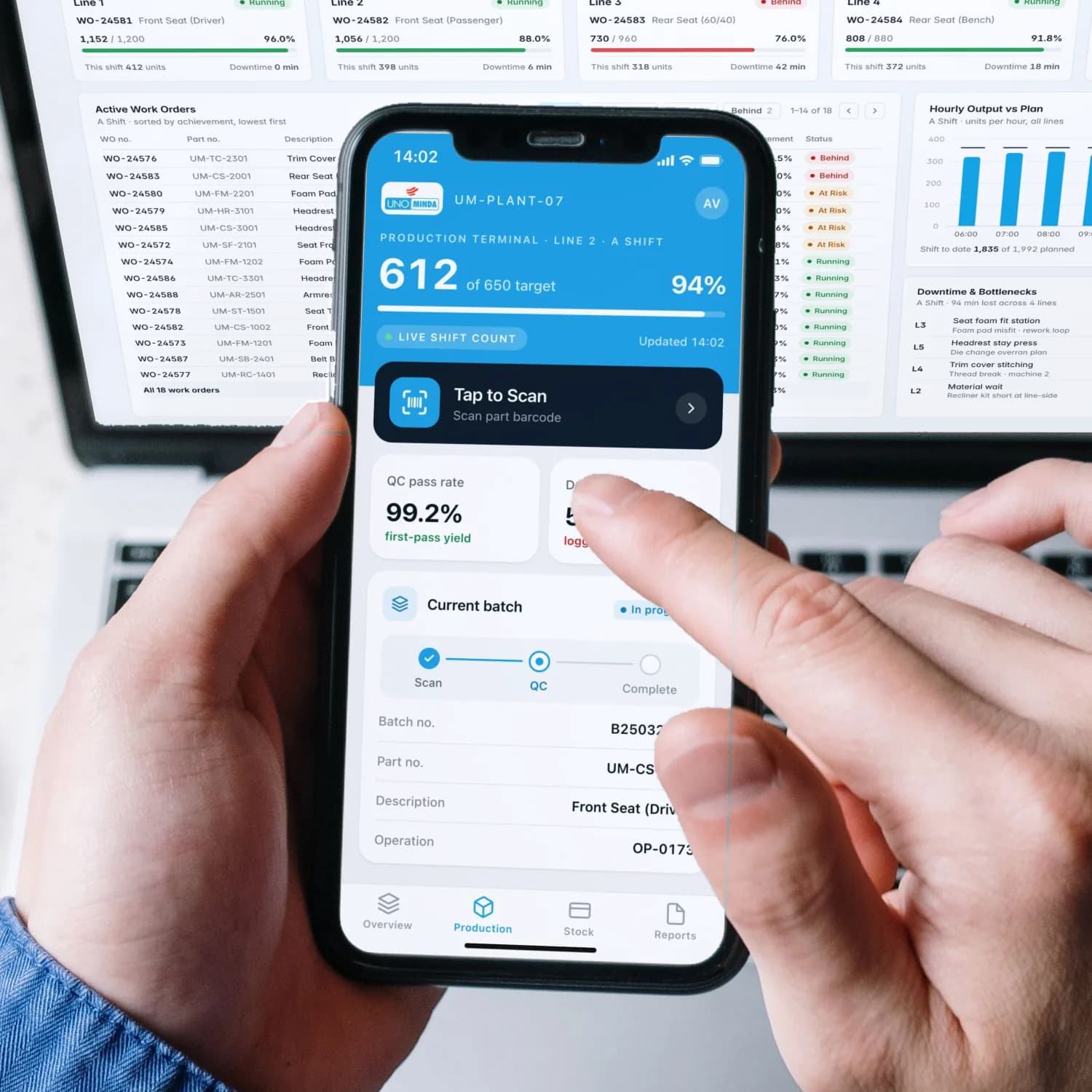
Mobile product engineering for iOS, Android and cross-platform applications connected to reliable backend systems and business workflows.
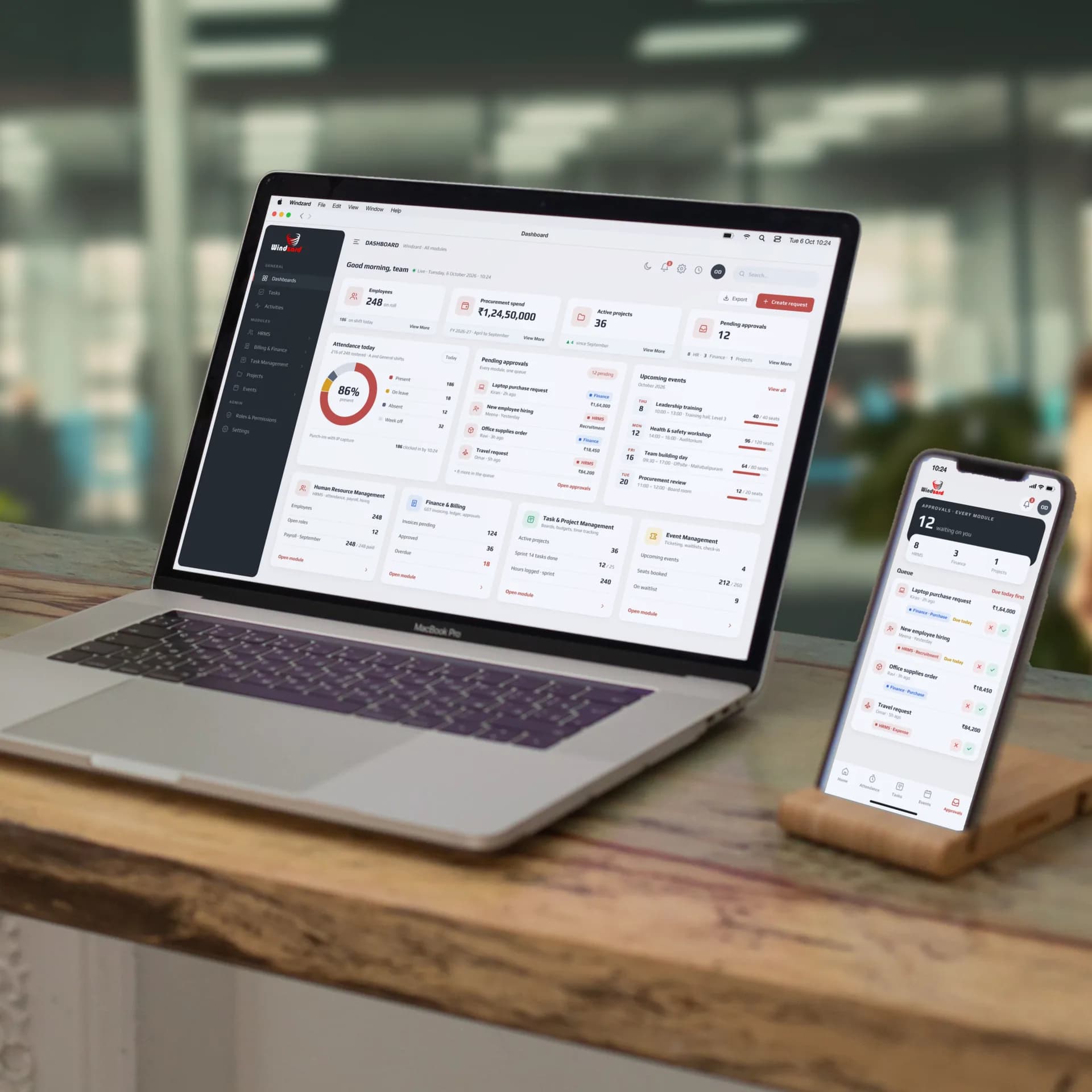
Enterprise software for complex workflows, multiple teams, integrations, access control, data integrity and long-term maintainability.

Supremacy Technologies designs and engineers custom software platforms including marketplaces, commerce and listing products.

Supremacy Suite is a business operating system for SMEs: CRM, HRMS, payroll, finance, inventory, manufacturing and projects on one platform.
We build customer, vendor, dealer and employee portals, admin systems, dashboards, workflow and approval tools, and transactional or SaaS products. If the work is run by logged-in users against structured data, it is within scope. Marketing sites are a different job.
Yes, where the existing system offers an API, a database connection, file exchange or webhooks. We assess each connection during discovery, including who owns it and what happens when it is unavailable. The web application then reads and writes your system of record instead of keeping a second copy.
Security is built in through role-based permissions, validated inputs, single sign-on where you use it, audit records and routine patching. Scale is designed against your real user and data volumes, not a generic target. We state the assumptions in the architecture so they can be checked.
Yes. We can monitor production, handle incidents, update dependencies and ship approved improvements under a support arrangement agreed before launch. You can also take it in-house, because operations documentation is part of handover.
Duration and cost depend on the number of roles, the workflows, how many systems it connects to, how much data must migrate and how strict the compliance needs are. We give an estimate after the discovery step, when those are known. Quoting before that would be a guess.
Ownership, licensing and any reusable components are set in the agreement and statement of work, so settle them before build starts. On rendering, we choose per screen: server rendering for pages that must load fast and be indexed, and client-side interaction for dense working screens such as tables and editors.
Start a project
Your name, phone number and what you need are enough to start. Email, company and a message help us prepare. We reply within one working day.