



Product architecture
We map the domain, the tenants and the data first, so the product's structure holds as customers, features and teams are added.
Loading…
A selection of the companies and products Supremacy Technologies has engineered.









ServiceSaaS Product Development
SaaS product development at Supremacy Technologies runs from product architecture and multi-tenancy through billing foundations, APIs, web and mobile applications, cloud deployment and production operations. We take a product from its first tenant to the point where a team can run it, release it and sell it without us in the room.
A SaaS product is judged on what happens after launch: the second customer, the tenth, the first invoice, the first outage. We work as a SaaS development company in India that designs for those moments from the first sprint, so tenancy, billing and operations are not retrofitted under load.
The work covers the product as a customer sees it and the product as an operator runs it. That means the customer-facing web and mobile applications, the APIs behind them, the admin tooling your team needs, and the deployment and monitoring that keep it running.
If you are still validating the idea, a SaaS MVP is the right first release, scoped so that its tenancy and data model carry forward into the full product instead of being thrown away.
The parts of a SaaS product we engineer, from the first domain model to the console your team operates it from.
We map the domain, the tenants and the data first, so the product's structure holds as customers, features and teams are added.
Tenant isolation, per-tenant configuration and data boundaries are designed in from the start rather than retrofitted after the second customer.
The web application and the mobile app are built against the same APIs, so both show the same data and follow the same rules.
Sign-in, roles and permissions are modeled per tenant, so each customer controls who can see and change what.
Documented APIs let customers and partners connect the product to the software they already run.
Where the product charges by plan or by usage, subscription billing is integrated with the product's own accounts and entitlements.
Environments, release pipelines and infrastructure are scripted, so a release is a repeatable step rather than a manual event.
Automated tests guard each release, and logging, metrics and alerts show how the product behaves once customers depend on it.
For products already in the market, the work moves in stages: stabilize, restructure and migrate while current customers keep working.
An internal console lets your team onboard tenants, change plans, inspect accounts and handle support without touching the database.
A new customer signs up or is provisioned, gets an isolated workspace with default configuration, and invites their first users without a developer involved.
Upgrades, downgrades and cancellations change what a tenant can use immediately, and the product enforces the limits of the plan the tenant is on.
Payment succeeded, payment failed and renewal events from the billing provider update the account state, trigger notices and move overdue tenants through a defined grace path.
Customers read and write their data through authenticated APIs and receive webhooks when records change, with retries and delivery logs when an endpoint is down.
Support staff can view an account as the customer sees it, with the action logged, so a reported problem can be reproduced without sharing credentials.
Changes move through staging to production by pipeline, database migrations run in a controlled order, and a bad release can be reversed.
We define the customer, the tenancy model, the plans and the integrations, and agree what the first release must prove. Cost and duration are estimated here, from the scope that comes out of this step.
Tenancy, identity, the data model and the deployment pipeline are built first, so every later feature sits on them.
Web and mobile experiences, APIs and admin tooling are delivered in working increments that you can use and test as they land.
Subscription billing and customer-facing integrations are connected and tested against real payment and failure scenarios.
Load, security and restore checks run before the first customers are onboarded, with monitoring and alerting live from day one.
After launch we can continue as the engineering team for maintenance and new features, or hand over the repositories, runbooks and pipelines to yours.
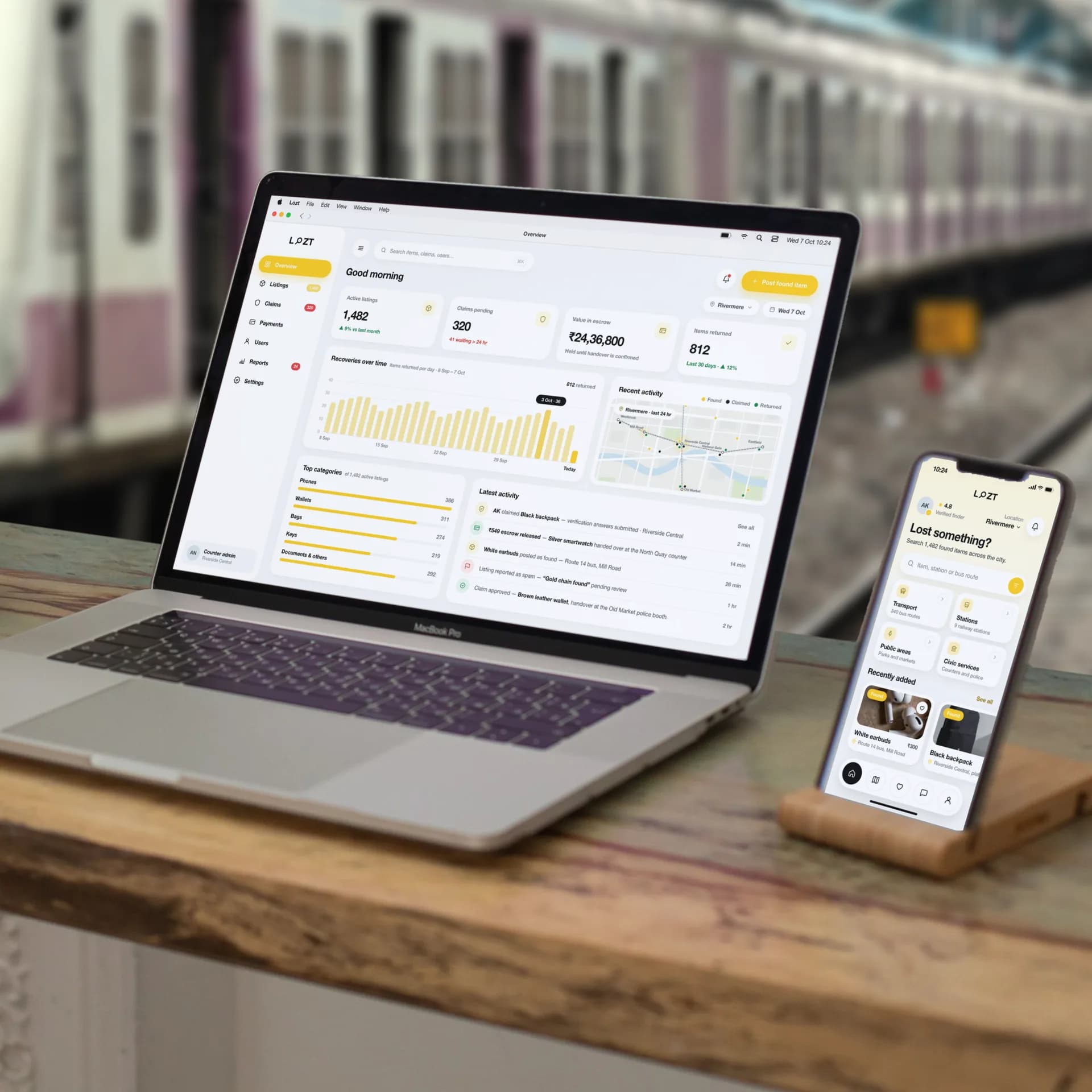
A lost-and-found platform delivered as a public mobile app with an operator dashboard working the same records.
Loztapp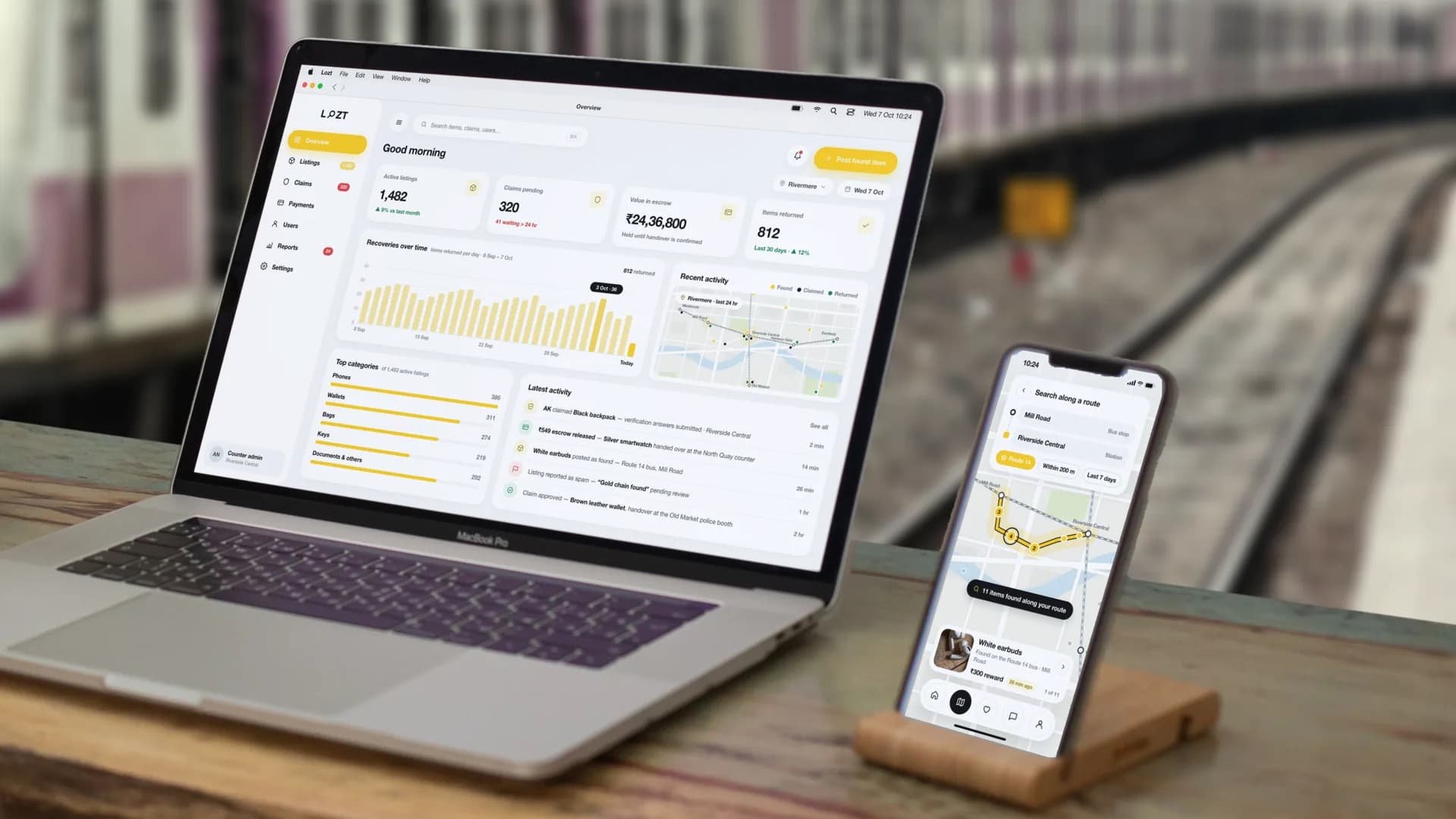

End-to-end product engineering from architecture and UX through frontend, backend, QA, deployment and long-term product evolution.

MVP development for startups that need a production-minded foundation, focused scope and a clear path from validation to scale.

Custom web applications, SaaS interfaces, dashboards, portals, admin systems and transactional products engineered for real operations.

Supremacy Technologies designs and engineers custom software platforms including marketplaces, commerce and listing products.

How Supremacy Technologies approaches architecture, APIs, testing, delivery, deployment, security practices and long-term maintainability.
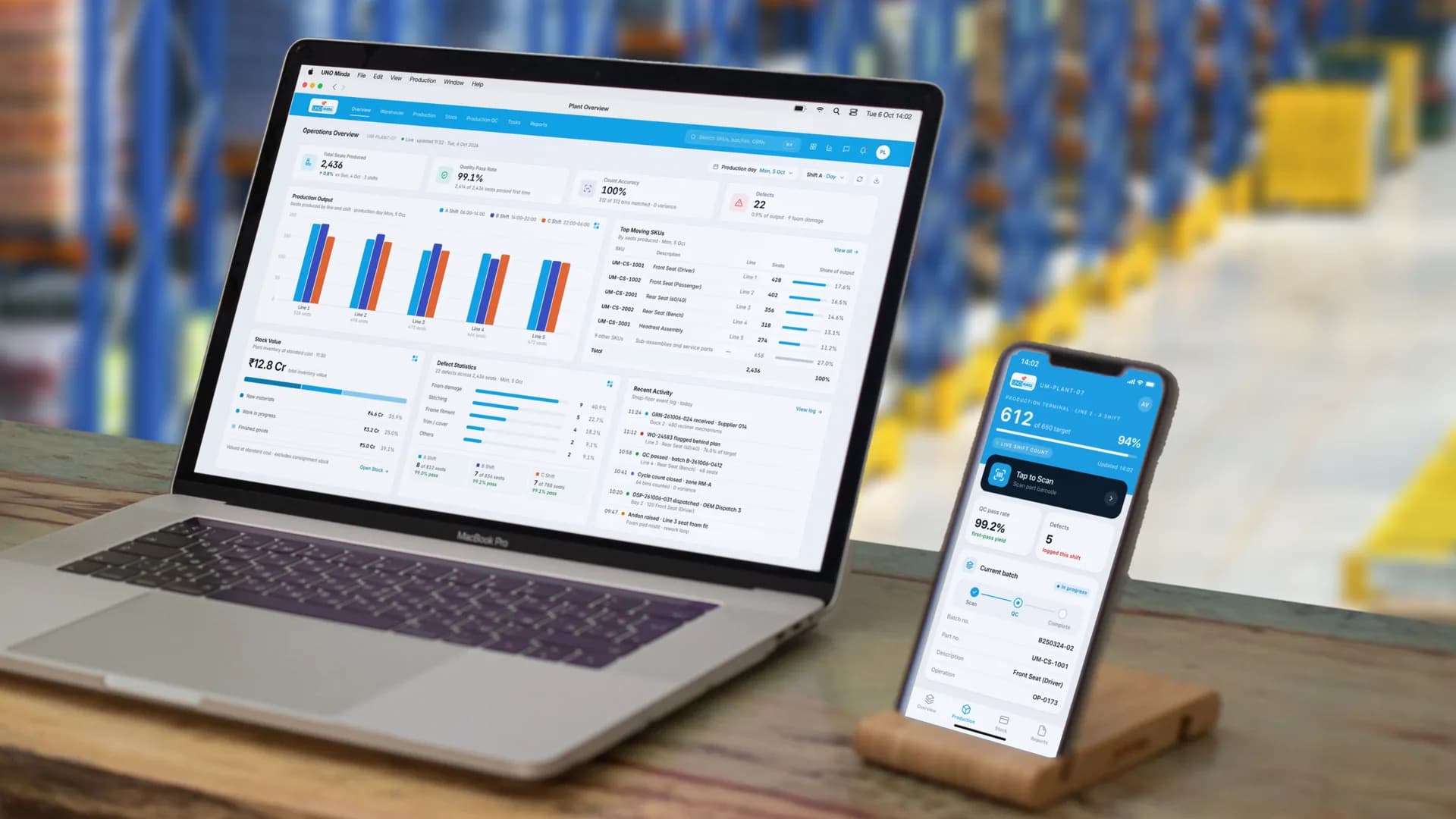
Platforms, applications and systems Supremacy has designed or engineered for customers, including UNO Minda, NeuroSynk, Windzard and Loztapp.
SaaS development builds one product that many customers use at the same time, each with their own isolated data, plan and settings. That adds work traditional software does not carry: tenancy, subscription billing, onboarding, continuous releases and operating the product in production. The product is never finished at handover, because it is run and changed while customers depend on it.
Most SaaS products start multi-tenant, because one codebase and one deployment is cheaper to run and to release. Single-tenant or dedicated databases make sense where customers demand strict isolation or their own region. We pick the model in discovery from your customers' requirements and design it so the choice can be tightened later.
We integrate a billing provider such as Razorpay or Stripe rather than building payment processing ourselves. The product keeps its own plans and entitlements, and provider events such as renewals and failed payments update the account state through webhooks. Tax and invoicing rules depend on your accounting setup and are agreed in discovery.
Every request, query and background job carries the tenant, and access rules are enforced in the data layer as well as in the interface. Depending on the isolation you need, tenants share a schema, get their own schema or get their own database. Isolation is covered by automated tests, and administrative access is logged.
Yes. We start by reading the codebase, the data model and the production setup, then work in stages: stabilize, add tests and monitoring, restructure and migrate. Existing customers keep working throughout, and we can continue maintaining the product afterwards.
Both depend on the number of user roles, the tenancy and billing model, the integrations, the mobile surface and how much admin tooling the first release needs. We do not quote a figure before discovery; that step produces a scoped plan with a phased estimate. Starting with a smaller first release is the usual way to control both.
Start a project
Your name, phone number and what you need are enough to start. Email, company and a message help us prepare. We reply within one working day.