employee records
One profile per person covering job history, reporting lines, documents and custom fields, with each field visible only to the roles that need it.
Loading…
A selection of the companies and products Supremacy Technologies has engineered.

ServiceHRMS Development
HRMS development from Supremacy Technologies builds custom HRMS and employee-management software for workforce records, attendance, leave, shifts, approvals, payroll workflows and portals. We start from your leave rules, shift patterns and approval chains, and build the system to follow them.
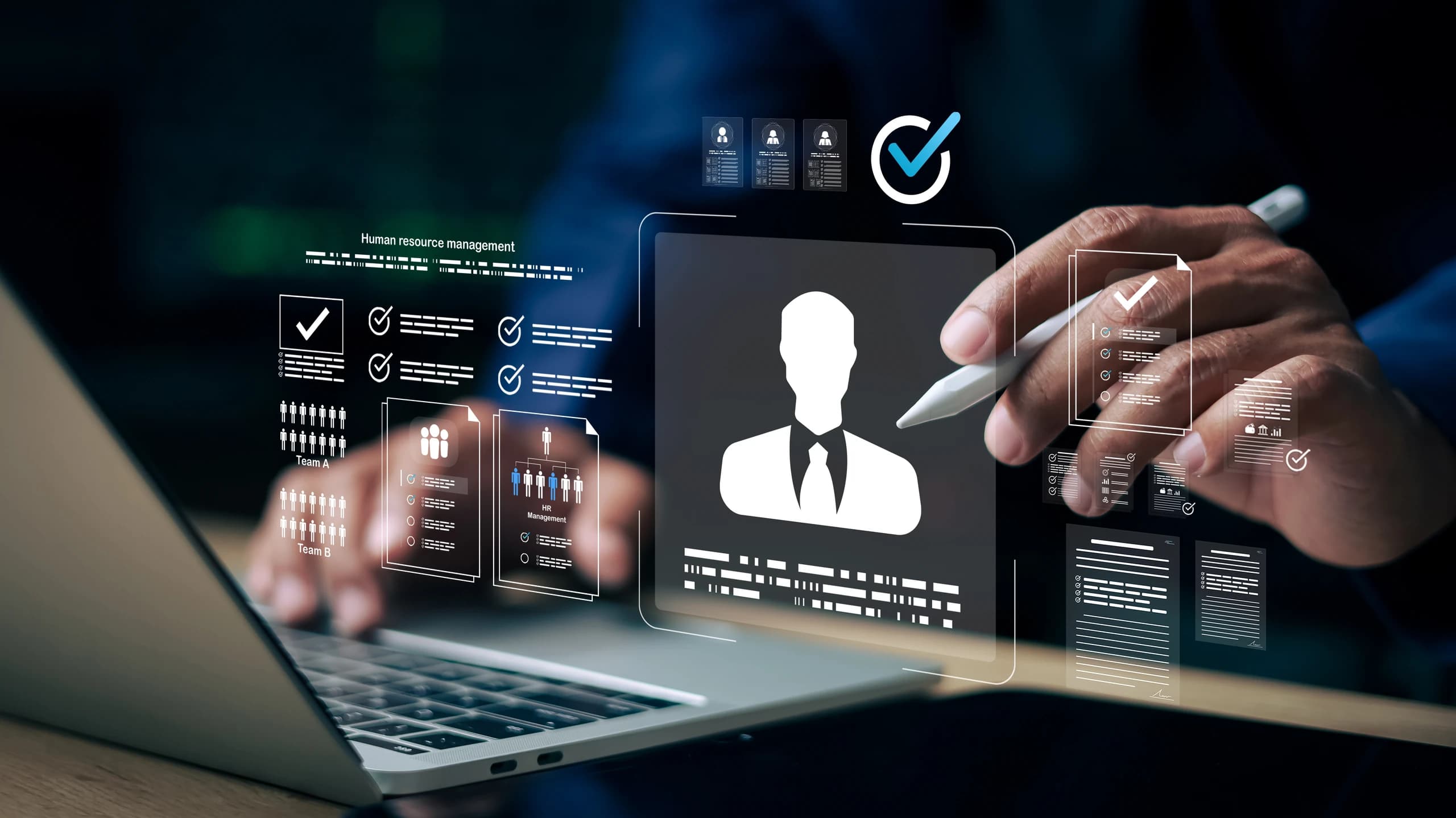
Most organisations reach a point where an off-the-shelf HR tool no longer matches how they actually work: leave rules with exceptions, shifts that rotate, approvals that depend on the department. Custom HRMS software lets those rules live in the system instead of in spreadsheets and email threads.
We build the employee management system as one set of records that attendance, leave, onboarding, documents and payroll inputs all read from. Staff reach it through an employee self-service portal and a mobile app, and managers approve from wherever they are.
The parts of an HR system we build, chosen per engagement rather than shipped as a fixed bundle.
One profile per person covering job history, reporting lines, documents and custom fields, with each field visible only to the roles that need it.
Attendance and leave software that handles punches, rotating shifts, overtime and regularisation requests against your own shift rules.
Leave types, balances, accruals and carry-forward as you define them, routed through approval chains that can differ by team, grade or location.
Checklists for joining and leaving, with tasks assigned to HR, IT and the manager, and a clear record of what is complete before a person is cleared.
Offer, confirmation, experience and other letters generated from templates with employee data, routed for approval and stored against the record.
An employee self-service portal and mobile app where staff view profiles and payslips, apply for leave, raise requests and see what is waiting on an approver.
Attendance, leave and overtime summaries handed to payroll at cut-off, and approved results brought back for payslips and reporting. Payroll rules are scoped with you, not assumed.
Headcount, attrition, absence and approval-turnaround reports for HR and for managers, scoped to what each role is allowed to see.
Leave, regularisation, transfers, expense claims and document requests share one engine with configurable steps, delegates and time limits.
Rosters built from shift templates, with swap requests and conflict checks before a change is published.
One timeline from offer to exit, so a new joiner's access, documents and equipment are tracked together and nothing is left open after a departure.
Reminders and review forms for probation end dates, ending in a confirmation letter that goes through your approval chain.
Openings, candidate stages, interview scorecards and stored resumes, handing the selected candidate straight into onboarding.
Pending regularisations and leave flagged before cut-off, then locked so payroll receives one agreed set of figures.
We read your HR policies, shift patterns and approval chains, and list the exceptions people currently handle by hand. This sets the scope, the order of delivery and the estimate.
We model the employee record, the policy rules and the roles, and share clickable screens for HR and managers to react to before any build starts.
Employee records, attendance, leave and approvals come first, since everything else depends on them. You see working software in short increments.
We connect attendance devices and payroll or finance systems, and load existing employee data with checks that catch gaps before go-live.
One team or location goes live first. We fix what real use exposes, then extend to the rest of the organisation.
HR administrators learn to change policies themselves. We document the system and agree support terms for after launch.
Windzard's HRMS includes attendance, a request-and-approval engine, HR letters and a recruitment pipeline.
Windzard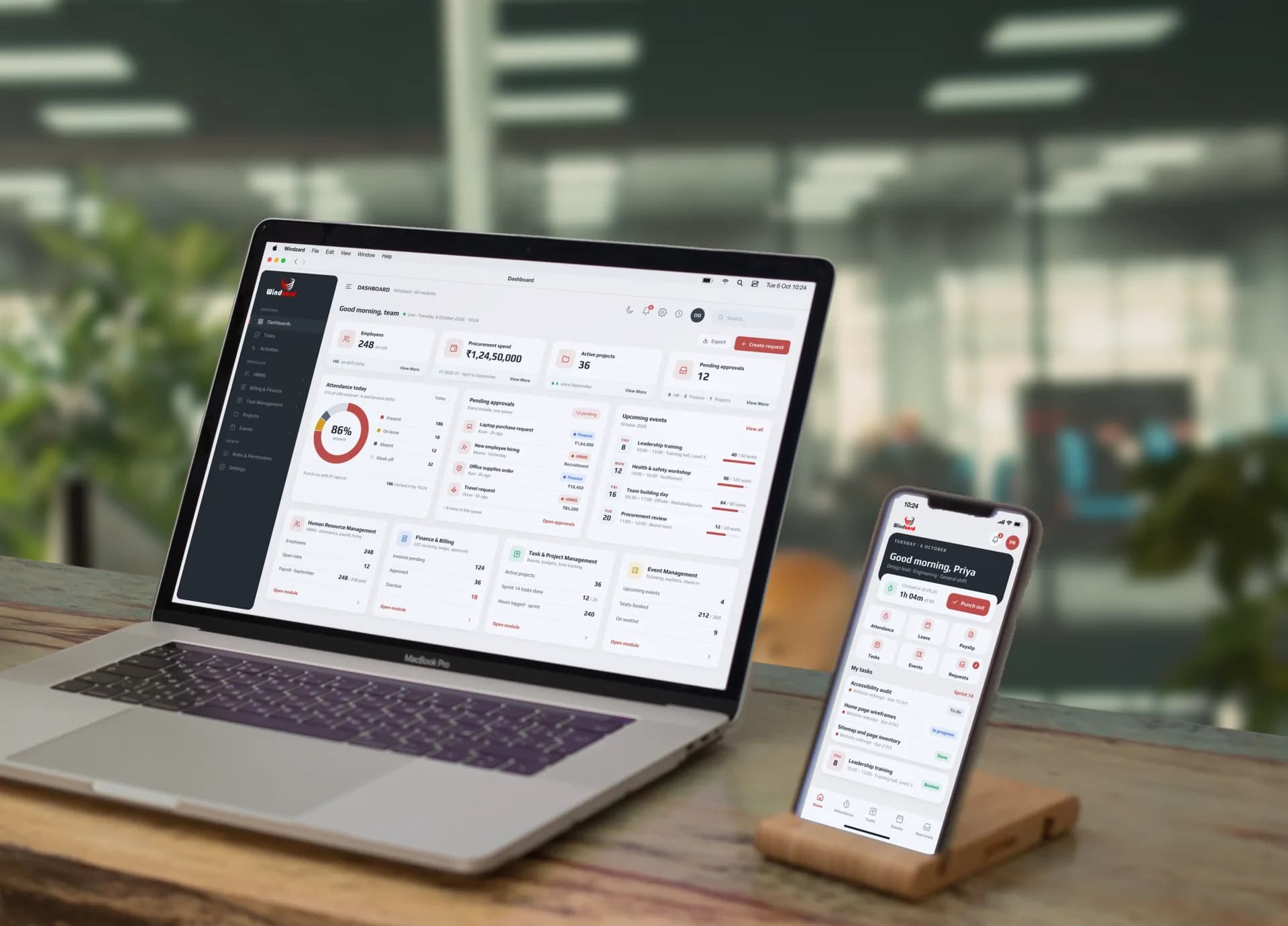
NeuroSynk Research runs attendance and shifts, leave approvals tied to attendance, employee letters and recruitment pipelines on one system.
NeuroSynk Research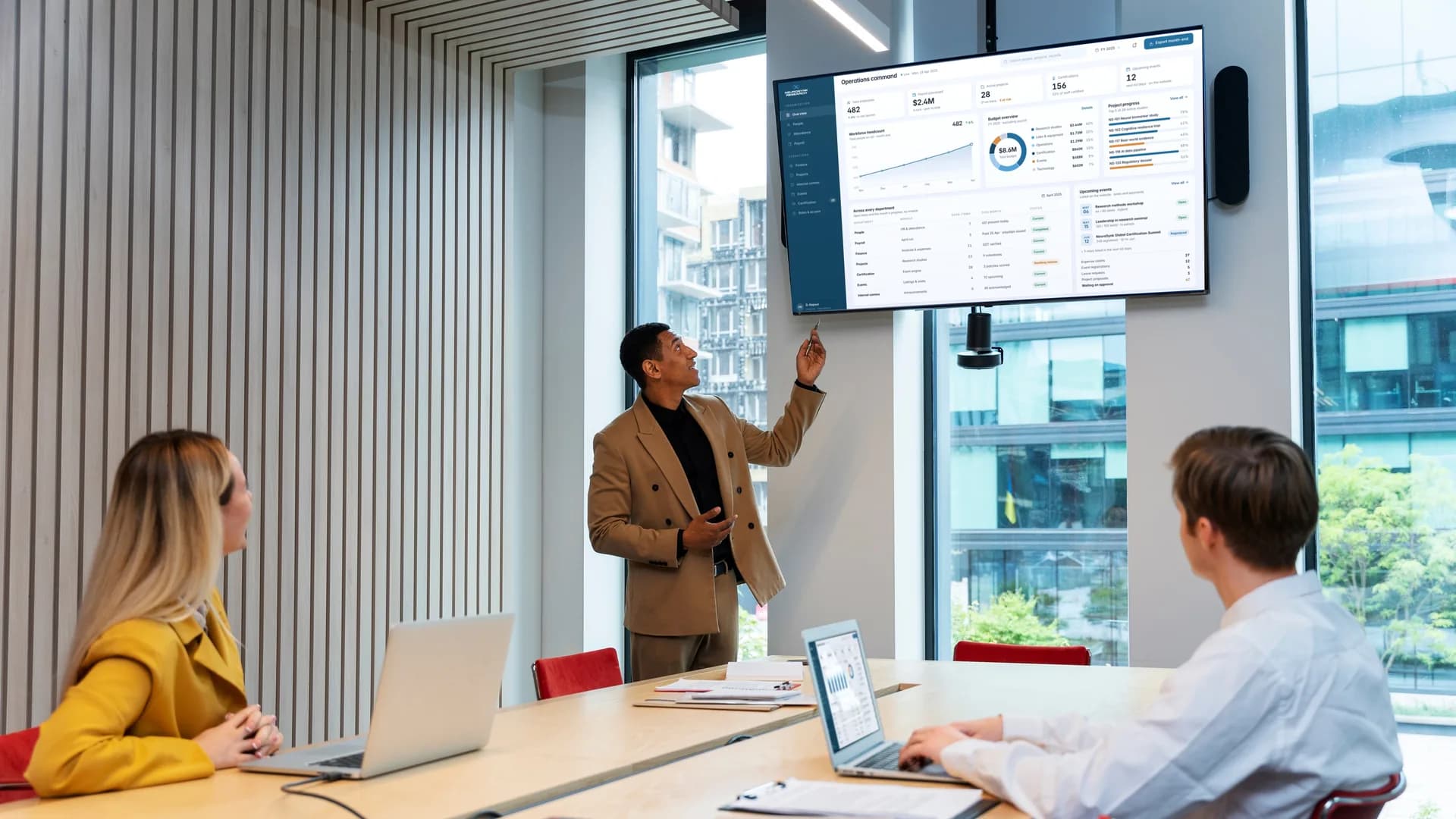

Custom software engineered around unique business workflows, internal operations, integrations and long-term product requirements.

Custom management software for industry-specific workflows, operational systems, internal platforms and business process automation.
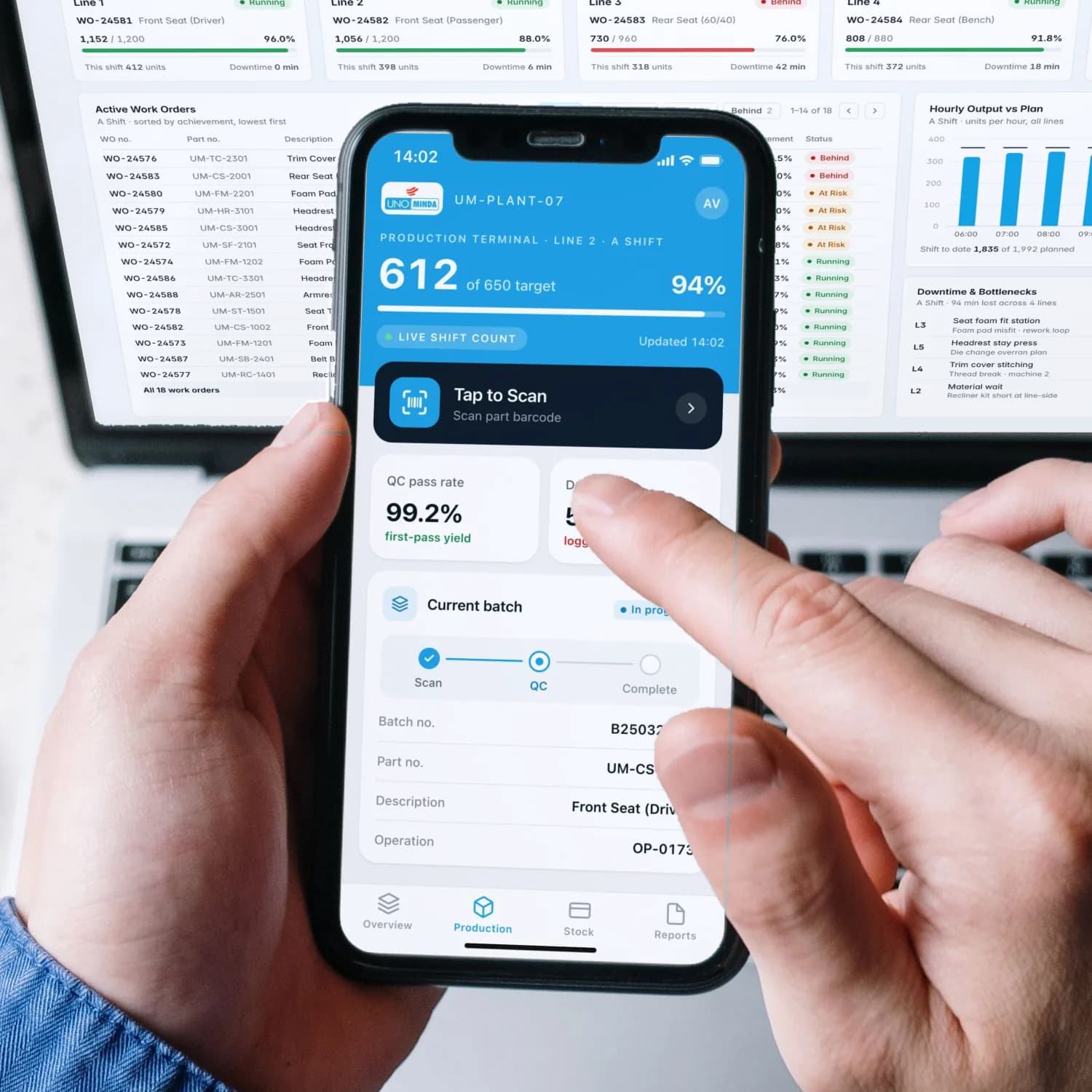
Mobile product engineering for iOS, Android and cross-platform applications connected to reliable backend systems and business workflows.

Supremacy HRMS is HRMS software for employee records, attendance, leave, shifts and workforce self-service in one system.
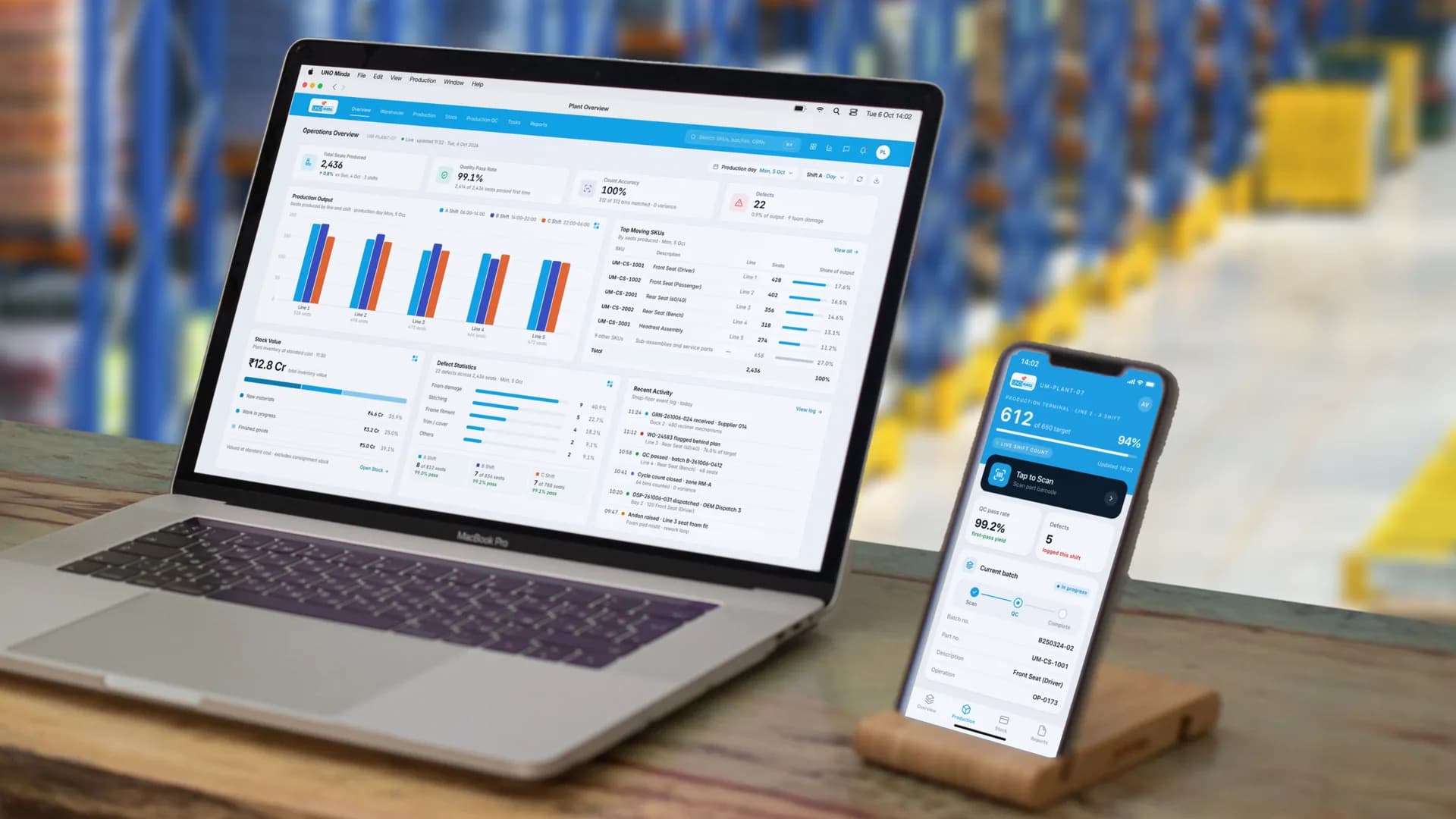
Platforms, applications and systems Supremacy has designed or engineered for customers, including UNO Minda, NeuroSynk, Windzard and Loztapp.
A ready-made HRMS suits organisations whose policies are close to the standard model. Custom development pays off when your leave rules, shift patterns or approval chains do not fit a vendor's settings, or when HR has to connect with your other systems. We will say so during discovery if a ready product would serve you better.
Not as a default feature. Statutory payroll is scoped per engagement: we agree which rules apply to your organisation, who is accountable for them, and whether they are built or handled by an integration with your existing payroll or accounting setup. We do not promise compliance outside that agreed scope.
Yes, device feeds are brought in as integrations. We confirm the make, model and export or API options of your devices in discovery, then normalise every punch into one attendance record alongside web and mobile punches.
Access is role-based down to the field, manager views are limited to their own reporting line, and changes to employee records are logged. Retention and deletion rules are agreed with you. We make no certification claims for a system we have yet to build; security requirements are set in discovery.
Yes, we build a mobile app alongside the web portal so employees can check attendance, apply for leave, see payslips and raise requests, and managers can approve from their phones. Which screens each role sees is decided with you.
Cost and duration depend on the modules you need, the number of integrations, how much existing data must be migrated, and the number of roles and policies. Our Chennai team gives an estimate after discovery and phases the build so the core goes live early. A custom system also suits a growing organisation, because policies and teams change and the rules are built to be reconfigured.
Start a project
Your name, phone number and what you need are enough to start. Email, company and a message help us prepare. We reply within one working day.