assessment
A fact-based review of the code, runtime, database, integrations, permissions, infrastructure and security, ending in a current-state architecture, a risk register and a phased roadmap before any large commitment.
Loading…
A selection of the companies and products Supremacy Technologies has engineered.







ServiceApplication Modernization
Application modernization from Supremacy Technologies modernizes legacy applications through re-platforming, architecture improvements, integrations, migrations and maintainable modern software. The old system keeps serving your business while the new one is built, proven and switched on in slices.
An application can keep running for years while it gets harder to change, more expensive to maintain and riskier to operate. The framework is out of support, one developer holds the knowledge, releases are manual and every report is fragile. Supremacy Technologies, a software engineering company in India, takes on legacy application modernization for systems the business cannot afford to switch off.
A complete rewrite is not assumed. Different parts of one system may be kept, moved, restructured, rebuilt, replaced or retired, and the assessment decides which. What we promise is the method: understand the system first, protect the data and the critical workflows, and move one bounded piece at a time.
Each item is a piece of work with an output you can inspect, in roughly the order a programme runs.
A fact-based review of the code, runtime, database, integrations, permissions, infrastructure and security, ending in a current-state architecture, a risk register and a phased roadmap before any large commitment.
Where the system is at risk today, we fix that before changing anything else: reliable backups with restore tests, monitoring, critical patches, expiring certificates, production access control and repeatable releases.
Per module, we choose between improving the code, moving to a current runtime or managed platform, rebuilding around approved workflows, or replacing it with an existing product, and we write down why.
Migration is its own workstream with an owner, repeatable tooling, reconciliation reports and acceptance criteria, not a one-time script run on the night.
Users, branches, roles or workflows move in pilot groups, with the old component kept available until data, reports and ownership of the new one are verified.
APIs, adapters or routing placed in front of the legacy system so old and new components can run side by side, and other systems stop depending on the legacy internals.
Architecture diagrams, a dependency map, an integration catalogue and runbooks written as we learn the system, so the knowledge no longer sits in one person's head.
Source, environments, pipelines and documentation are transferred to your team, or we continue under an operate and support arrangement agreed in the engagement.
We document the system, its users, its data, its integrations and its risks, so every later decision rests on what is actually there.
An API, integration layer, identity boundary or router is introduced so old and new components can coexist without either one breaking.
The first slice is a module with real value and manageable dependencies, so the team proves the method on something that matters but cannot take the business down.
The new capability is built with automated tests, migration tooling, observability and validation by the people who use the workflow every day.
Old and new outputs are compared side by side for the workflows where that is practical, with a rollback that has been rehearsed.
A component is switched off only after its data, integrations, reports and operational ownership are verified in the new system, then we pick the next slice.
We interview stakeholders, review the code where it is available, the database, the infrastructure and the integrations, and rank the risks. The output is a plan you can act on with us or with someone else.
Urgent production risks are fixed first: backups, monitoring, patches and release repeatability, so the programme is not undone by an avoidable outage.
We add the APIs, integration layer or routing that lets old and new run together, and agree the first module to move and the acceptance criteria for it.
Each slice is built, tested, rehearsed with trial data migrations, piloted with a small group and then released with a rollback plan in place.
Legacy components are switched off only after verification, and documentation, pipelines and environments are transferred to your team.
If you want it, we monitor, patch and improve the new system under an agreed support arrangement; otherwise your team carries it forward.
Replaced a scattered stack of spreadsheets and disconnected tools with one role-based system of record.
NeuroSynk Research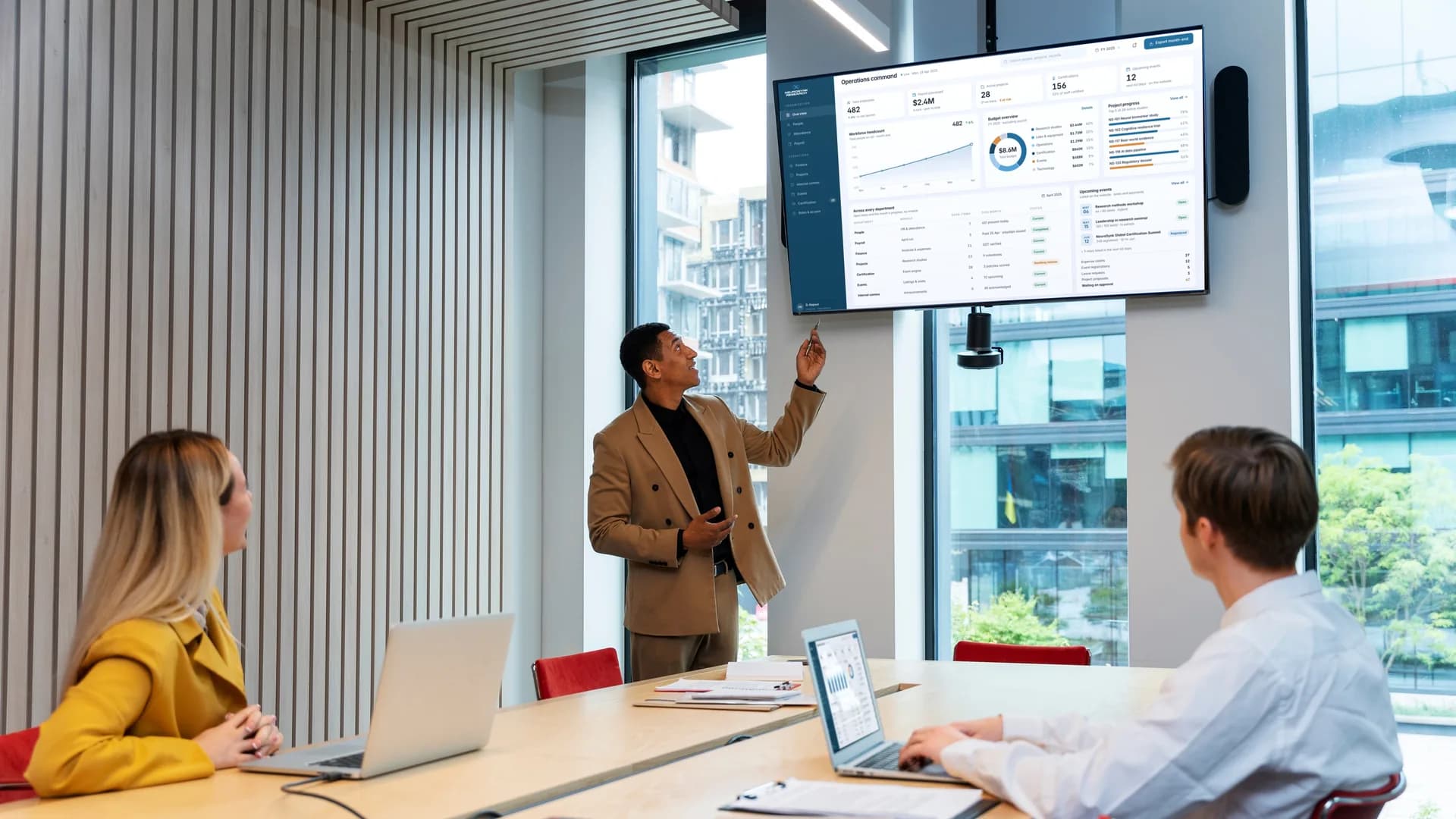
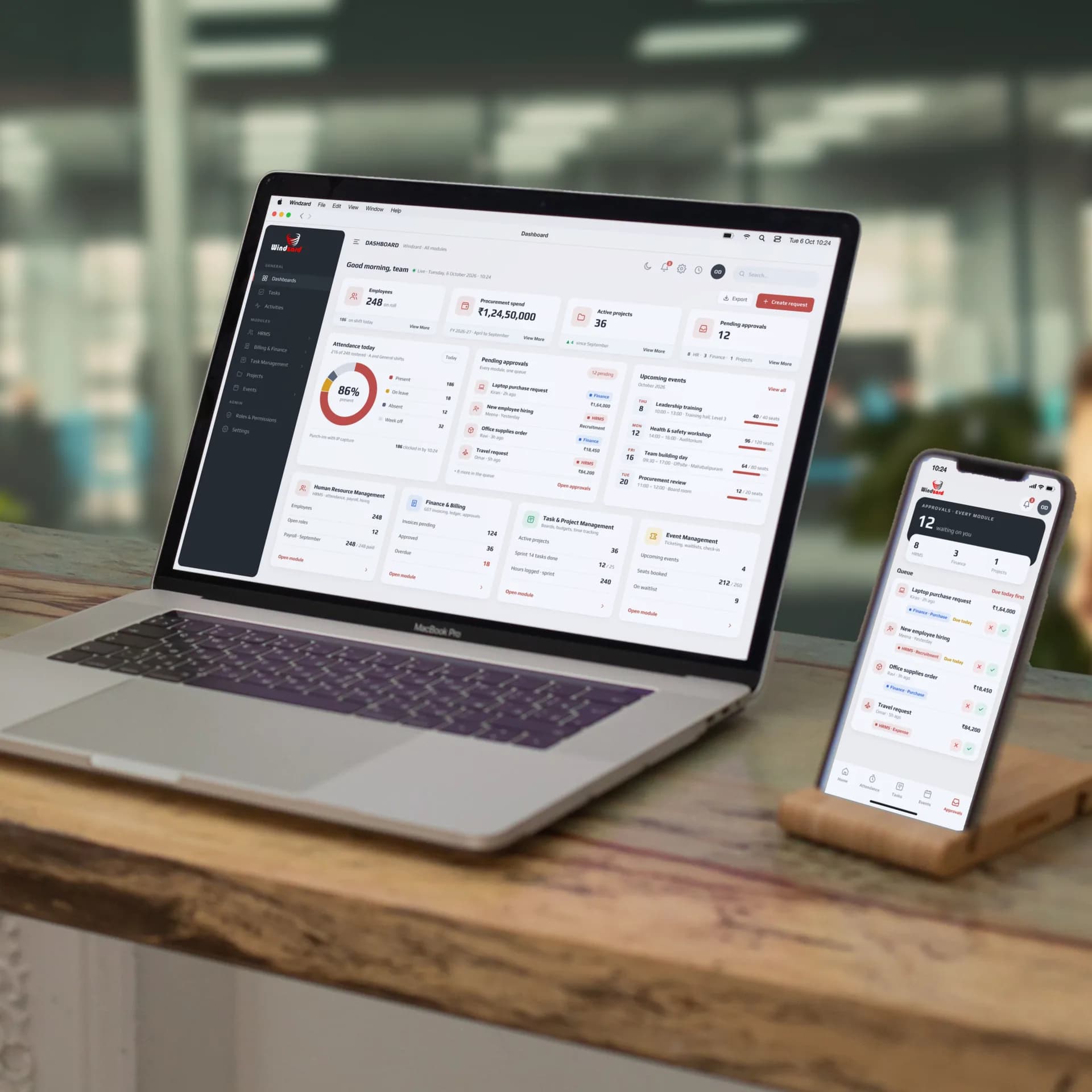
Enterprise software for complex workflows, multiple teams, integrations, access control, data integrity and long-term maintainability.

Custom software engineered around unique business workflows, internal operations, integrations and long-term product requirements.

How Supremacy Technologies approaches architecture, APIs, testing, delivery, deployment, security practices and long-term maintainability.

How do you replace a system the business depends on, while it is still running the business?
Usually, yes. We put a boundary in front of the old system, move one module at a time and keep the old component available until the new one is verified. Whether that is workable for your system is established in the assessment, not assumed.
It depends on the module, not the whole system. Refactor where the structure is sound but the code is hard to change, rebuild where it cannot be maintained safely, and replace where an existing product already does the job. A single system often gets a mix of all three, and the assessment gives the reason for each choice.
Migration uses backups, trial runs, repeatable tooling, validation, reconciliation, approval and a rollback plan. The reconciliation reports compare source and target so your team can verify the result themselves. The exact controls depend on how critical the data is.
The main factors are the size and condition of the codebase, whether source code and documentation exist, how many integrations depend on the system, the volume and quality of the data, and how much of it is refactored versus rebuilt. We do not quote a figure from a short description. The assessment produces a costed proposal.
There is no standard period. It depends on how many users and workflows are moved, how long it takes to reconcile outputs, and how the business closes its reporting cycles. We agree the parallel-run window per slice and keep a rollback available until it ends.
We plan for the engineers who run the assessment to stay through cutover, and we write documentation as we go so knowledge sits in the repository. Without the original developer we first check what we can access: source code, database, infrastructure, licences and integrations. If code is missing, options such as interface-level integration, data migration or replacement are weighed in the assessment.
Start a project
Your name, phone number and what you need are enough to start. Email, company and a message help us prepare. We reply within one working day.