



receiving & GRN
Goods are received against a purchase order or an advance notice, with quantity, batch and condition checked at the dock. The goods received note is raised in the same step, so there is no later data entry.
Loading…
A selection of the companies and products Supremacy Technologies has engineered.








ServiceWarehouse Software Development
Warehouse software development from Supremacy Technologies builds custom warehouse and inventory software for receiving, stock, locations, movement, fulfilment, scanning workflows and operational reporting. The goal is a single stock record that every dock, shelf and screen agrees on, so the number on the system is the number on the floor.
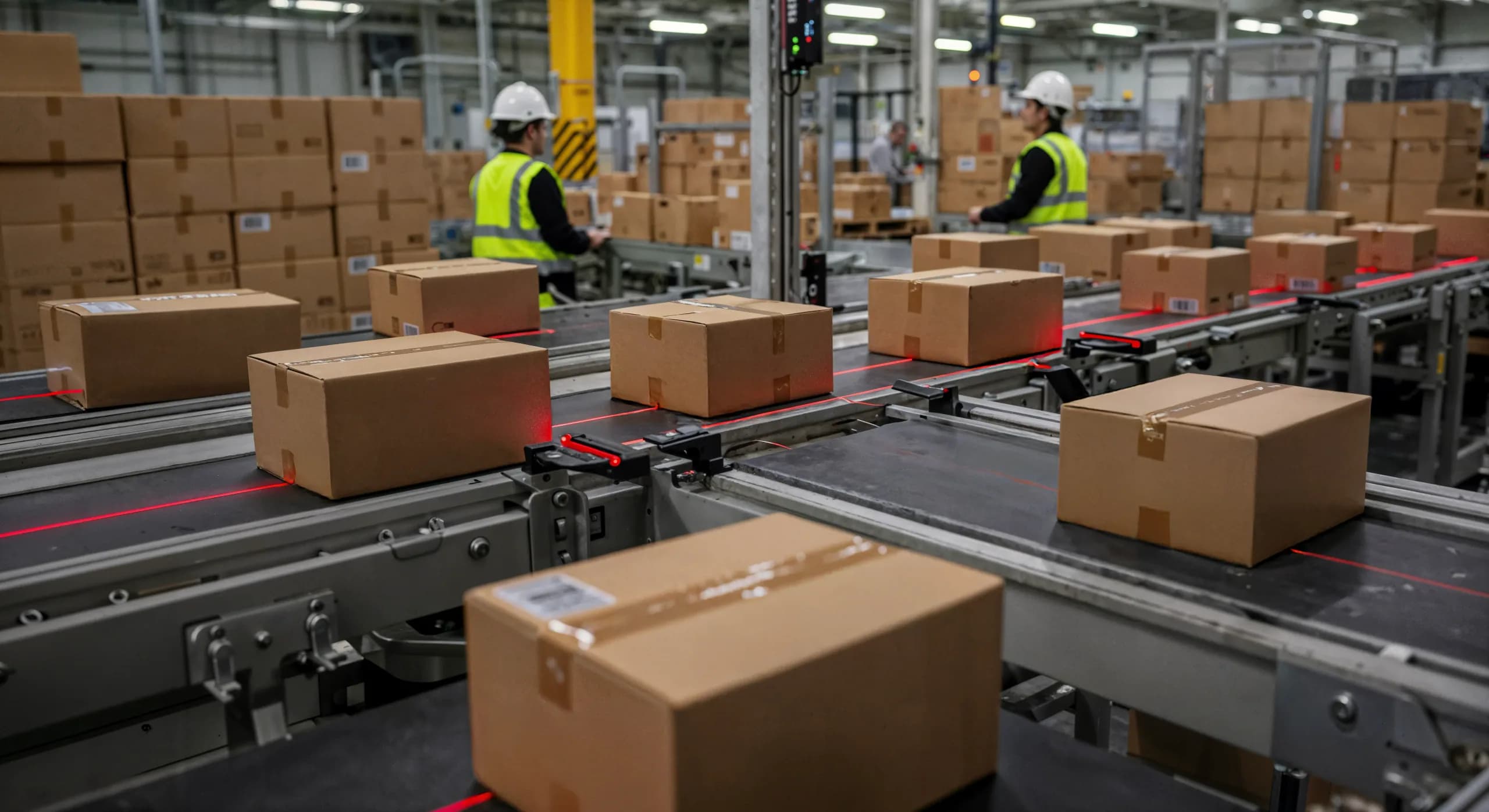
A warehouse loses accuracy at the handoffs: goods received against a paper note, put away somewhere the system does not know, picked from memory and dispatched with a count nobody checked. We build the software that closes those gaps, for warehouses and distribution centres in India and for plants that keep stock beside the line.
Some teams need a full warehouse management system (WMS) with location-level control. Others need a lighter layer on top of the ERP they already run, covering only the steps where stock goes missing. We start from how your goods actually move and build only what that movement needs.
The same stock record serves every operator, and barcode scanning workflows capture each movement at the moment it happens rather than at the end of the shift. Multi-location stock is modelled from the first design, so a second warehouse is configuration rather than a rewrite.
Nine areas make up most warehouse builds. We scope the ones your operation needs and leave the rest out.
Goods are received against a purchase order or an advance notice, with quantity, batch and condition checked at the dock. The goods received note is raised in the same step, so there is no later data entry.
The system proposes a location from your rules and the operator confirms it by scanning the bin. Stock waiting for put-away stays visible as its own state rather than disappearing between dock and shelf.
Pick lists are built per order, wave or route, and operators confirm each line by scanning item and location. Packing checks the scanned contents against the order before a label prints.
Loads are assembled against dispatch orders, with carrier details and documents attached and each package scanned out. Stock leaves the record at the moment it leaves the building.
Moves between bins, between warehouses and into and out of quarantine are recorded as transfers with a sender, a receiver and an in-transit state. Nothing is in two places and nothing is nowhere.
Counts are scheduled by location, item class or movement pattern and done on a handheld without stopping the floor. Variances go to a reviewer with the movement history beside them before any adjustment posts.
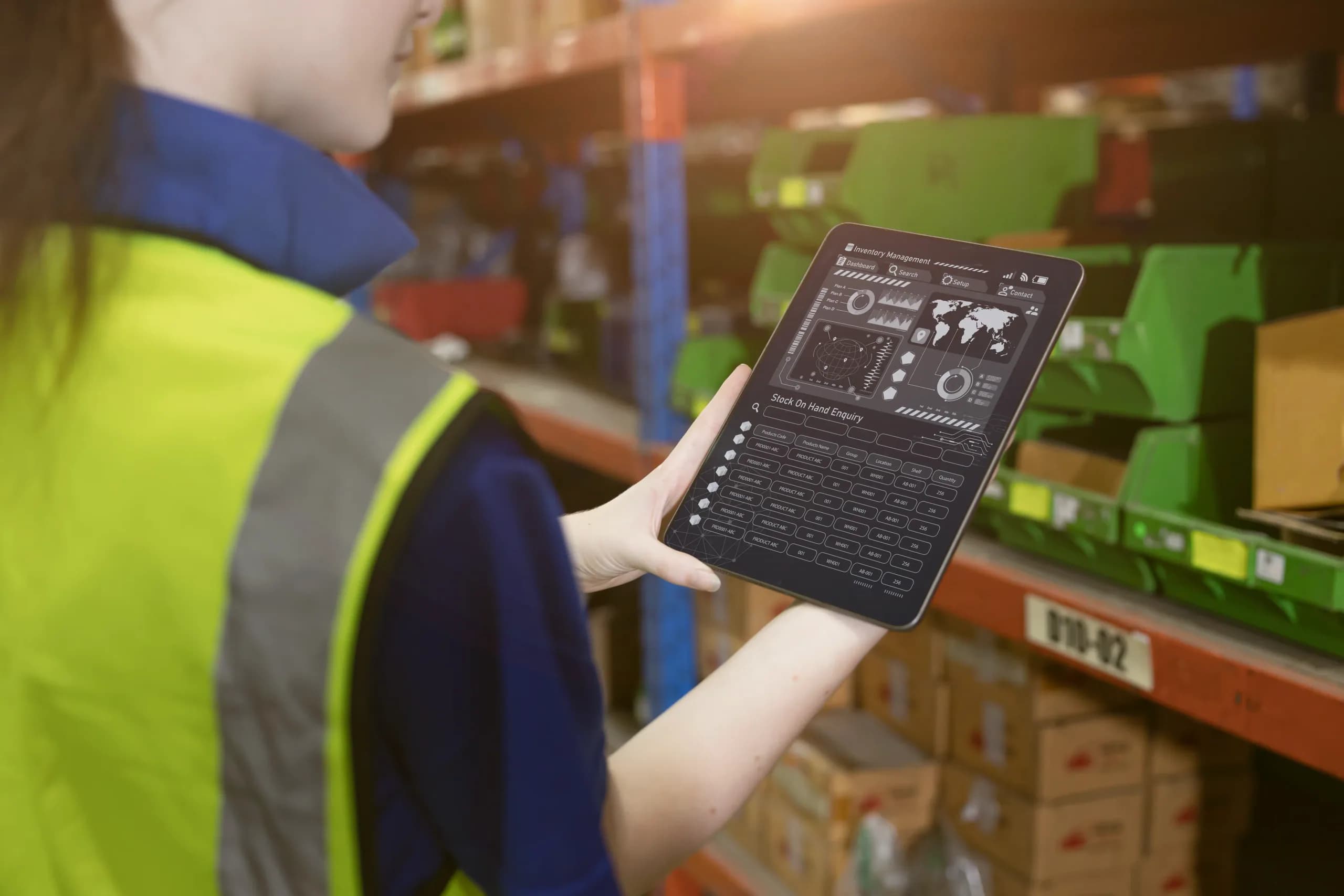
Mobile apps for handheld scanners and phones guide the operator through each task and reject a wrong scan on the spot. They keep working through weak signal and sync when the connection returns.
Orders, items and purchase receipts flow in from your ERP or commerce platform, and confirmed receipts, dispatches and adjustments flow back. The two systems agree on who owns each record.
Stock by location, ageing, movement history, dock-to-stock time and pick accuracy are read from the live record. Supervisors see exceptions during the shift instead of a summary after it.
Scan the delivery, match it to the order, record shortages or damage, and release the stock to put-away or to quarantine.
Rules choose a bin by item class, size, batch or expiry, and the operator scans the bin to confirm. An override is allowed and is recorded with a reason.
Orders are grouped by route, zone or carrier cut-off, then picked in a sequence that cuts walking. Short picks trigger a replenishment or a back-order instead of a silent gap.
Each item is scanned into its carton, the contents are checked against the order, and the shipping label prints only when the two match.
Returned goods are inspected, graded and sent back to stock, to repair or to write-off, with the reason kept against the item.
When a pick face drops below its minimum, a task is raised to refill it from bulk storage, so pickers are not sent to an empty bin.
We walk the dock, the shelves and the dispatch bay, and map how stock really moves, including the workarounds. The output is a scoped plan, the stock model and a priced build plan.
We agree locations, units, lots, stock states and the exact steps for each flow before screens are built, because the stock model is the hardest part to change later.
Receiving, put-away and picking are built first and tried on real devices in your building, so scanner behaviour, label quality and Wi-Fi gaps surface early.
We connect the ERP or commerce platform, load items, locations and opening stock, and run a count so the system starts from a verified number.
One zone or one warehouse runs live alongside the old process, with our engineers on call. Further areas follow once counts reconcile, and support continues after go-live.
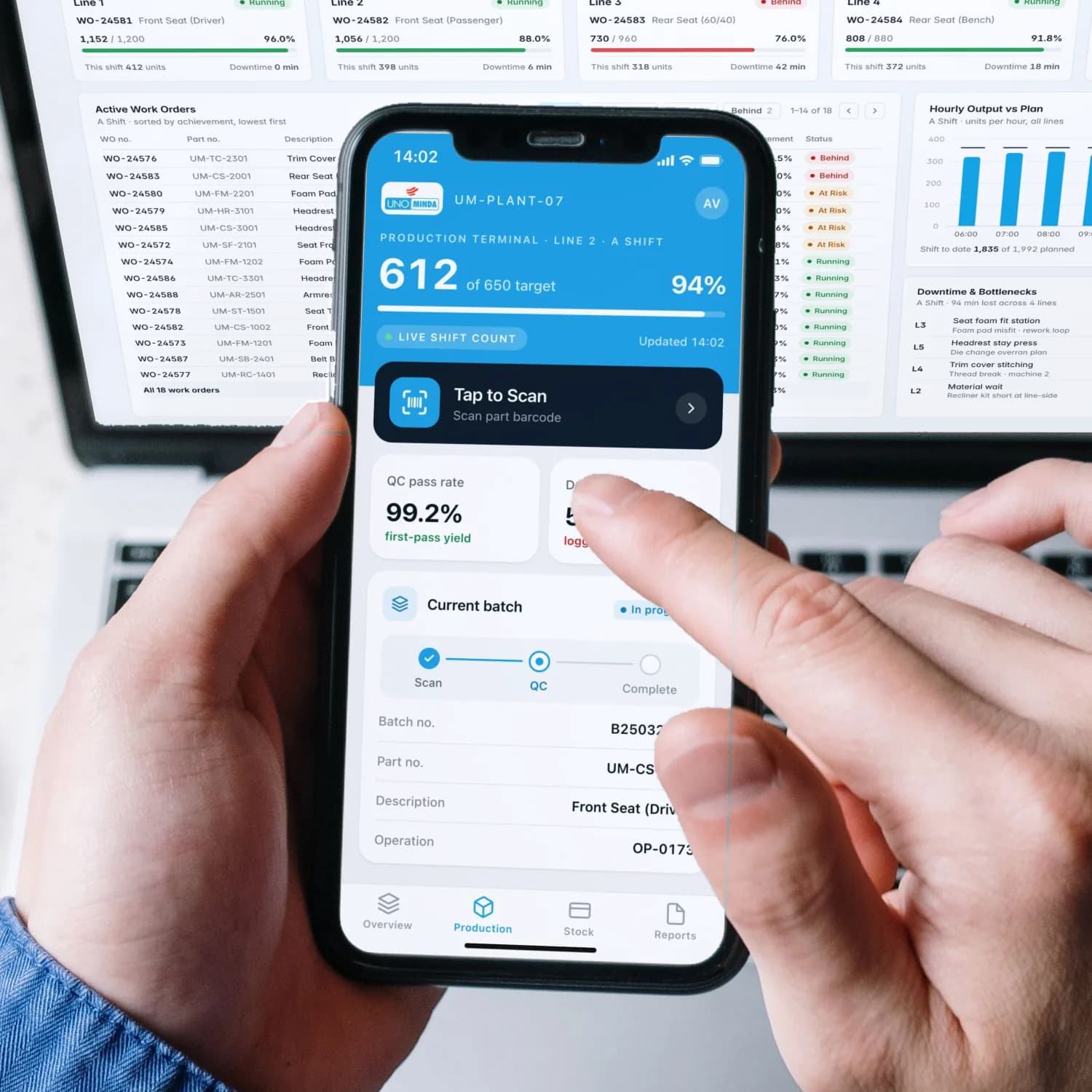
Warehouse GRN, put-away and dispatch inside the plant system for a car-seat assembly plant.
UNO Minda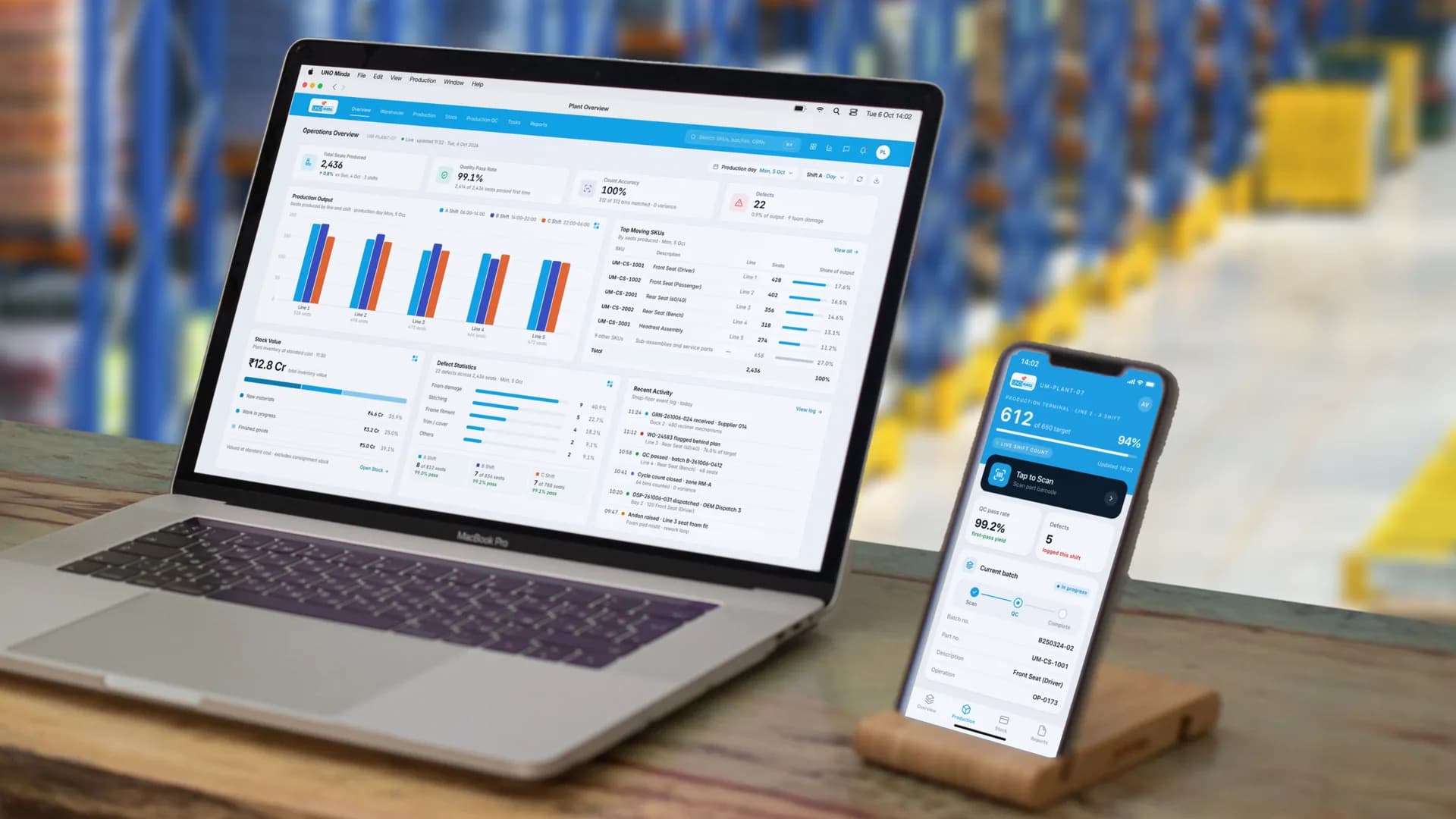
Custom ERP development for finance, operations, inventory, manufacturing, procurement, workflows, reporting and system integrations.
Mobile product engineering for iOS, Android and cross-platform applications connected to reliable backend systems and business workflows.
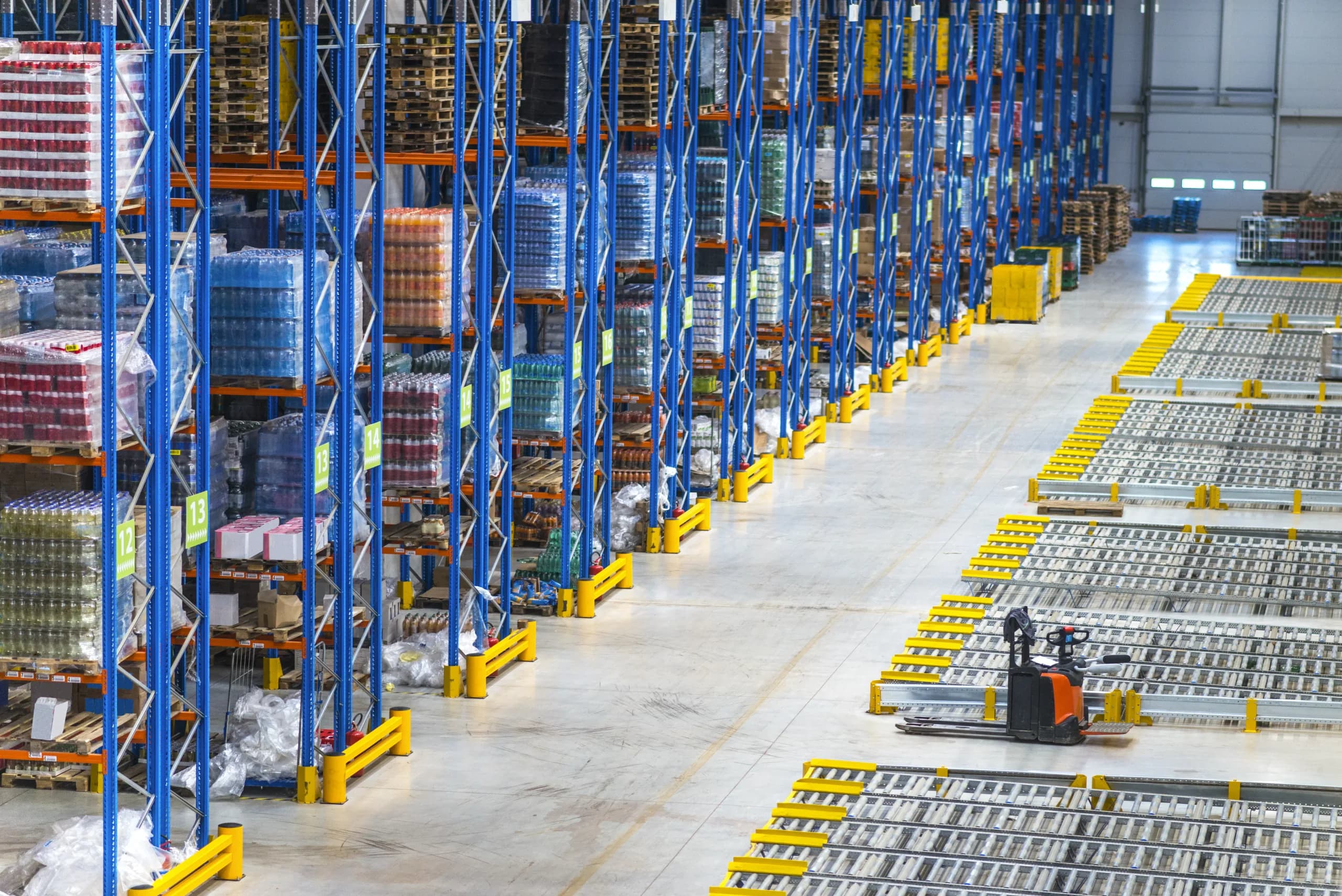
Software engineering for logistics and distribution workflows including inventory, fulfilment, operations, portals and reporting.

Custom software for retail operations including inventory, purchasing, workforce, finance, customer workflows and integrations.
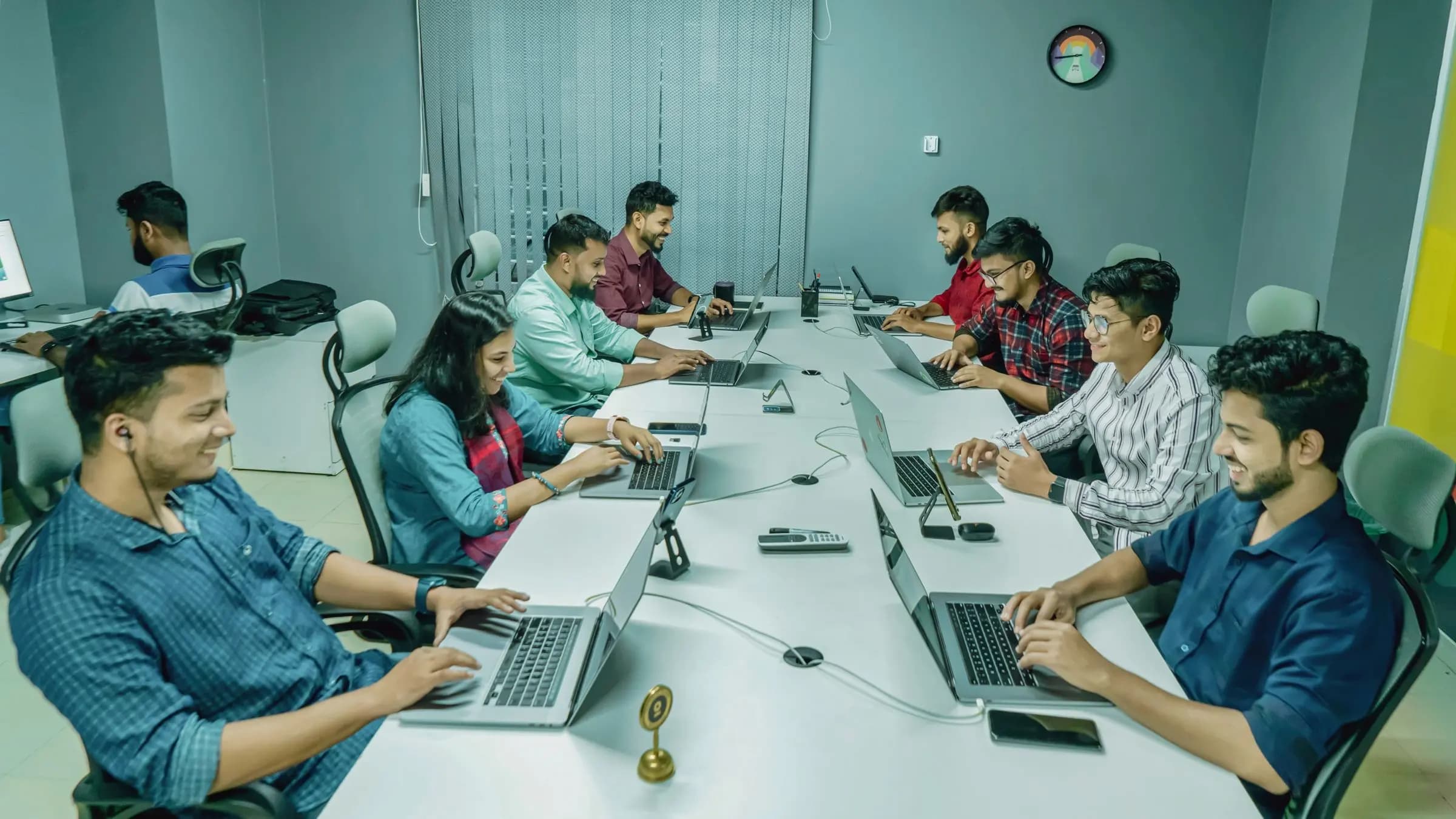
Supremacy Suite is a business operating system for SMEs: CRM, HRMS, payroll, finance, inventory, manufacturing and projects on one platform.
ERP inventory tracks how much of each item you hold, usually per warehouse. A WMS tracks where each unit sits and how it moves, down to the bin, and directs the people doing the work. If you only need totals, the ERP is enough; once pickers are searching for stock or counts drift, a warehouse layer pays off. Many businesses keep both and sync them.
We build the scanning apps for Android handheld scanners with a built-in imager, and for ordinary Android phones using the camera. We confirm the device model, label printer and label format during discovery, because those choices decide scan speed and read reliability in your lighting and layout.
Yes. The stock model carries a warehouse level above zones and bins, so each site has its own locations, rules and users while sharing one item master. Transfers between sites have an in-transit state, and reports can be read per site or across all of them.
Yes, through the system's API or a database interface. Orders and items come in, and receipts, dispatches and adjustments go back. We agree during discovery which system owns each record, and what the integration can do depends on what your ERP exposes, so we check that first.
Cost and time depend on the number of flows, the number of sites and devices, the quality of your existing item and location data, and how many systems it must connect to. We give a figure after the discovery step, once we have seen the floor and the integrations, not before.
We pilot in one zone or one warehouse while the existing process keeps running, and reconcile counts daily until the two agree. Then we extend area by area. Opening stock is counted and loaded before go-live, so the system starts from a verified figure.
Start a project
Your name, phone number and what you need are enough to start. Email, company and a message help us prepare. We reply within one working day.