

lead and account model
Leads, contacts, accounts, parent and child companies and the ownership rules between them, shaped to how you qualify and hand over.
Loading…
A selection of the companies and products Supremacy Technologies has engineered.






ServiceCustom CRM Development
Custom CRM development at Supremacy Technologies builds CRM systems around sales processes, pipelines, quotations, accounts, dealer workflows, field teams and integrations. We start from the way your people sell today, including the spreadsheets and phone calls, and build the system that fits it rather than asking the team to adopt someone else's stages.

A packaged CRM works when your sales process looks like the one its designers assumed. It stops working when quotations need approvals, when orders come through dealers and distributors, or when field staff update records from a phone with a weak signal. The usual result is a CRM that managers fill in at month end and salespeople avoid.
As a CRM development company, we build the data model, the pipeline rules and the screens around your actual process, and we connect them to the systems your team already depends on. The result is custom CRM software your team uses during the day because it saves them work, not because it is mandated.
We build for sales teams that sell through direct accounts, dealer and distributor networks across India, or a mix of both. Where a packaged tool is the better fit, we say so during discovery.
Each CRM is scoped from your sales process. These are the building blocks we most often work with.
Leads, contacts, accounts, parent and child companies and the ownership rules between them, shaped to how you qualify and hand over.
A sales pipeline with the stages, entry rules and exit conditions your team really uses, including separate pipelines for different products or customer types.
Quotation workflows with product and price lists, discount limits, approval routing, revisions and a clear history of what was offered and when.
Dealer and field sales handled in one system: dealer onboarding, territories, secondary sales, scheme tracking and visibility into what each dealer has ordered.
Mobile apps for visits, check-ins, order capture and notes that work with patchy connectivity and sync when the phone is back online.
Tasks, reminders, calls, meetings and next-step prompts so a lead does not go quiet because someone forgot to follow up.
Telephony and email connected as integrations, and a link to your ERP so accounts, items and order status stay consistent across both systems.
Pipeline, conversion, activity and dealer reports built from the same data the team works in, with role-based views for managers and owners.
Rules that assign incoming leads by territory, product line or capacity, with reassignment when a lead is not picked up.
An accepted quotation becomes an order record that operations and accounts can act on, without re-keying.
Requests above a set limit route to the right approver, with the reason recorded beside the decision.
A checklist-driven dealer setup and a periodic review view showing orders, visits and outstanding follow-ups per dealer.
Beat plans and visit schedules that managers can set and field staff can adjust, with visit outcomes captured on the spot.
Reminders generated from past orders and contract dates so account owners reach out before the customer does.
We sit with sales, sales operations and the people who handle orders, map how a lead becomes a customer and agree what the first release must do. Cost and timeline follow from this scope.
We design the account model, pipeline stages, approval rules and roles, and review them with your team before any screen is built.
We release usable slices, starting with the pipeline and accounts, so your team can try real work against it and correct us early.
We clean and import existing leads and accounts, and connect telephony, email and your ERP, checking records against the source.
We roll out by team or territory, train managers and field staff on the workflows they will use and keep a short feedback loop open.
After launch we agree support hours and a change process. You receive the source, documentation and runbooks needed to operate or extend the system.

Custom software engineered around unique business workflows, internal operations, integrations and long-term product requirements.
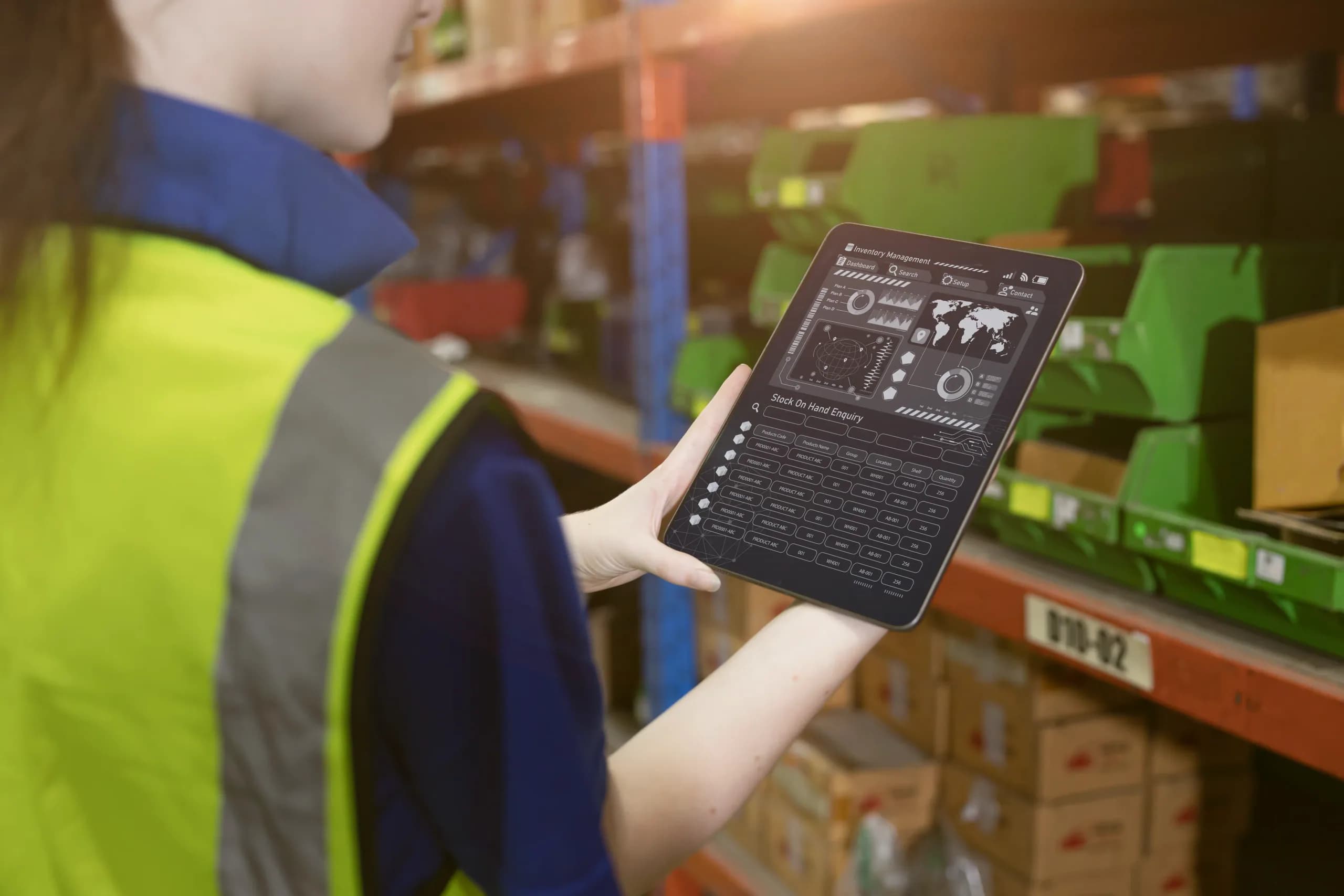
Custom ERP development for finance, operations, inventory, manufacturing, procurement, workflows, reporting and system integrations.
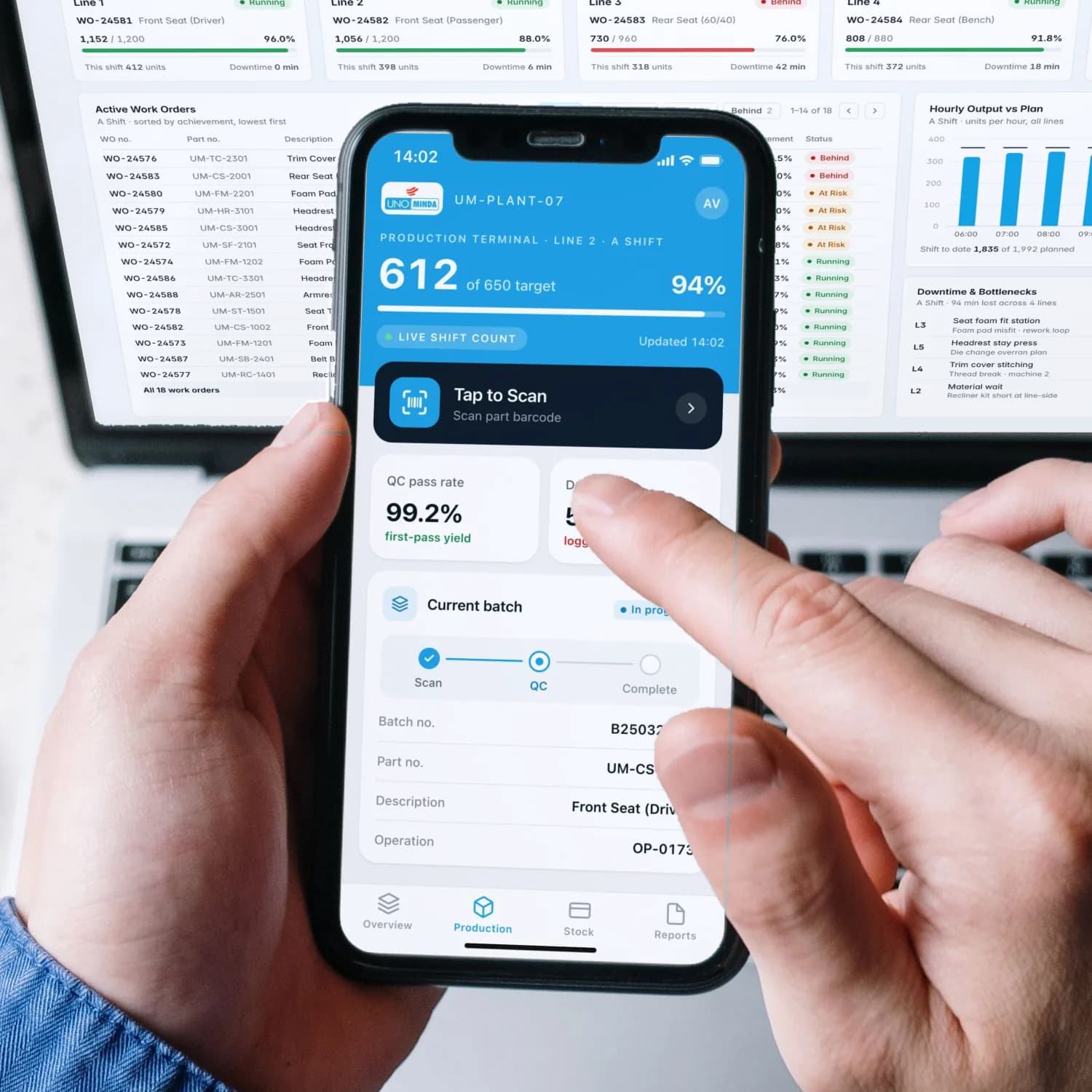
Mobile product engineering for iOS, Android and cross-platform applications connected to reliable backend systems and business workflows.

Software engineering for logistics and distribution workflows including inventory, fulfilment, operations, portals and reporting.
What has to be true for a system to write into your ERP, HRMS or CRM — and why this is the layer that decides whether any of it was worth building.
Supremacy Suite is a business operating system for SMEs: CRM, HRMS, payroll, finance, inventory, manufacturing and projects on one platform.
A packaged CRM is usually right when your process is close to the standard one and you can adapt to its stages. A custom build makes sense when quotation approvals, dealer sales or field workflows are central to how you sell and a packaged tool would need heavy workarounds. We discuss both options in discovery and tell you which we think fits.
Yes. We model dealers, distributors and territories as part of the data, so orders, visits and follow-ups can be tracked per dealer and rolled up by region. Dealers can use a limited view or a mobile app if you want them to enter orders themselves.
Yes. Field apps cover visits, check-ins, order and quotation capture and notes, and they work offline and sync when the connection returns. They are built against the same data and rules as the main CRM, so the office and the field see one record.
Yes. We map the old fields to the new model, clean duplicates with your team, import in stages and reconcile counts and samples against the source. Anything that cannot be moved cleanly is listed for you to decide on, rather than guessed at.
Yes, through integrations. Calls and emails are logged to the activity timeline, and the ERP link keeps accounts, items and order status aligned. Each integration is scoped in discovery because it depends on what your telephony, mail and ERP systems expose.
It depends on the number of pipelines, how many roles and teams use it, whether a mobile app is needed, how much data is migrated and how many systems it connects to. We give a scoped estimate after discovery, when those factors are known, rather than a figure before we understand the process.
Start a project
Your name, phone number and what you need are enough to start. Email, company and a message help us prepare. We reply within one working day.