



role models (buyer/seller/operator)
We define who can do what: the person who lists, the person who searches or claims, and the operator who reviews. Permissions, verification levels and what each role sees are modelled from the start.
Loading…
A selection of the companies and products Supremacy Technologies has engineered.









PlatformMarketplace & Listing
Marketplace platform development and listing platform engineering at Supremacy Technologies cover multi-sided roles, onboarding, listings, discovery and search, matching, moderation and operator consoles. A marketplace only works when the people who run it can see what is happening and step in, so the operator side is built alongside the public side, not after launch.
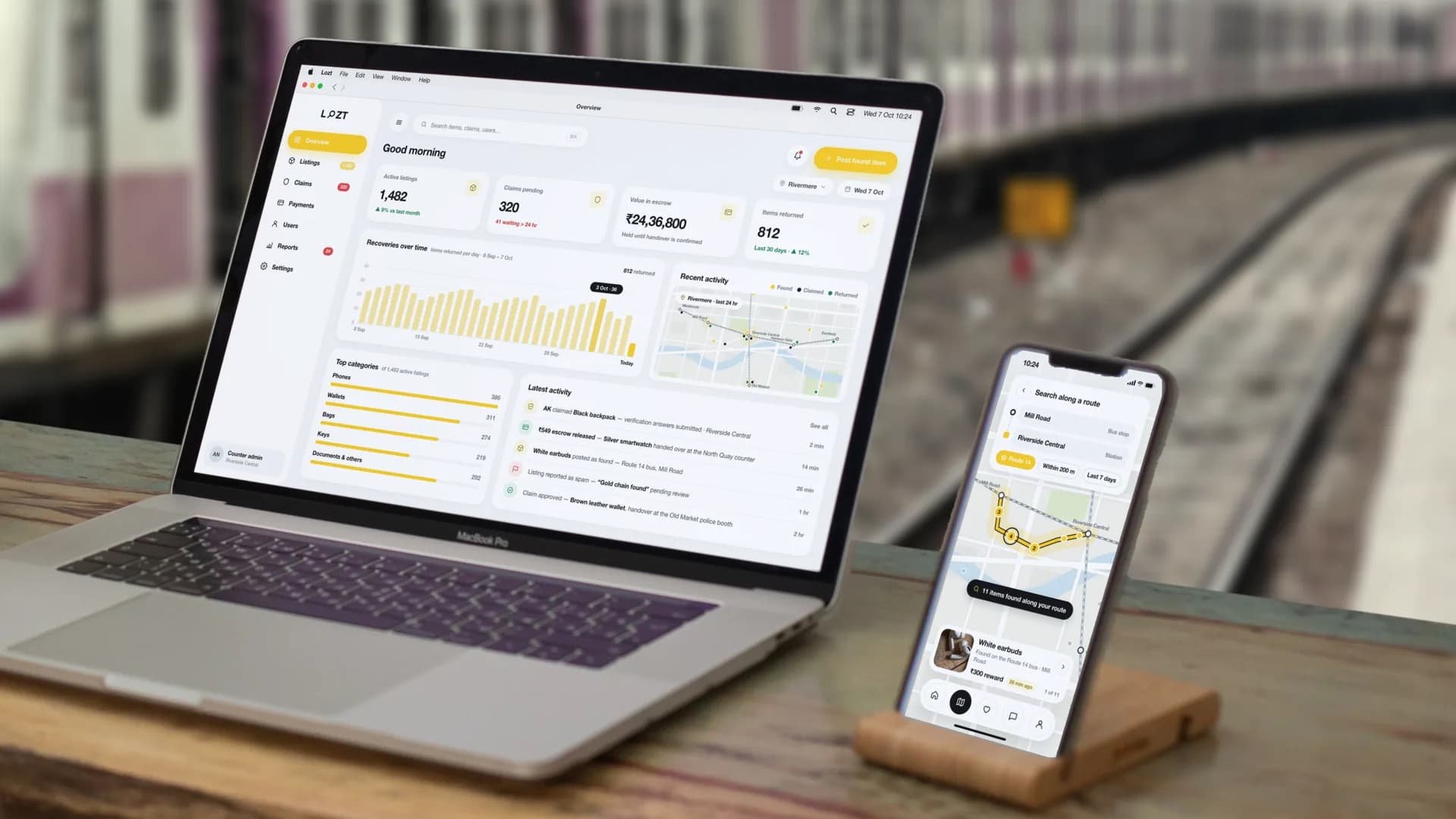
A marketplace or listing platform joins people who do not know each other: someone who has something and someone who wants it. The product problem is trust and findability. Buyers need to find the right listing quickly, sellers need to be believed, and the operator needs to remove bad listings before they cost the platform its reputation.
Many first builds ship the listing form and the search box and treat everything behind them as admin work to do later. That leaves the operator reading raw database rows to handle a report. We build the roles, the listing lifecycle, the moderation queue and the operator console as one system, so the first week of real traffic does not turn into manual work.
The work suits founders launching a classifieds platform, a multi-vendor marketplace or a niche directory, and organisations in India and elsewhere that need a listing platform for a city, a community or a trade. Listing platform development starts from the model you choose, which is the first decision we help you make.
Nine pieces make up most marketplaces and listing platforms. Which of them a given product needs depends on its model, and we agree that in discovery.
We define who can do what: the person who lists, the person who searches or claims, and the operator who reviews. Permissions, verification levels and what each role sees are modelled from the start.
Sign-up flows and checks proportionate to the risk on your platform, from a phone or email confirmation to document or ownership verification where the stakes call for it.
A posting flow that is quick on a phone, with photos, categories and the fields your market needs, and public listing pages that can be shared.
Filters, text search and, where location matters, map-first browsing with radius and area search, so people find what is near them without scrolling a flat list.
Rules that connect the two sides, notifications to both, and in-app chat so the conversation and the record stay on the platform.
Some platforms need a claim or a transaction step and others only connect two parties. We build that step only when your model needs it, and scope it separately from the listing core.
A report flow for users and a severity-ranked queue for the operator, with rules such as hiding a listing after repeated reports and detecting sensitive content in uploaded images.
The console the operator works from: live listings, pending reviews, users and their trust state, reports, and the settings that control how the platform behaves.
iOS and Android apps for the public side, built on the same records as the web and the operator console, so nothing is reconciled by hand between them.
A listing is created, checked against the rules you set, and published or held for a person to review. The path depends on how much your platform trusts new sellers.
Visitors search and filter, and where your model calls for it the platform proposes matches between a request and a listing on category, place and time.
The two sides reach each other through notifications and in-app chat, so the exchange is recorded on the platform and not on a phone number passed around.
Where the product has one, a verified claim step confirms the right person is acting before anything changes hands, with a log of what was decided and by whom.
Anyone can report a listing, reports reach a ranked queue, and the operator can hide, restore or escalate. Resolved reports are archived automatically after thirty days.
A listing ends as completed, expired or removed, and the operator console shows how listings close so you can see where the platform is working and where it is not.
We work out whether you are building a full marketplace, a listing platform or something between, and who the first users on each side are. This decides most of the scope.
A discovery step fixes the roles, the listing lifecycle, the trust rules and what is out of the first release. Cost and timeline are given from this scope, not before it.
We build the listing core, search and the mobile or web apps first, so a real listing can be posted and found as early as possible.
Matching, messaging, reports and the operator console are built against the live records and tested with the people who will run the platform.
We recommend opening by city, category or community, so the operator learns the platform at a size they can handle before it widens.
After launch we keep working with you on fixes, tuning of search and moderation rules, and the next set of features your operators ask for.
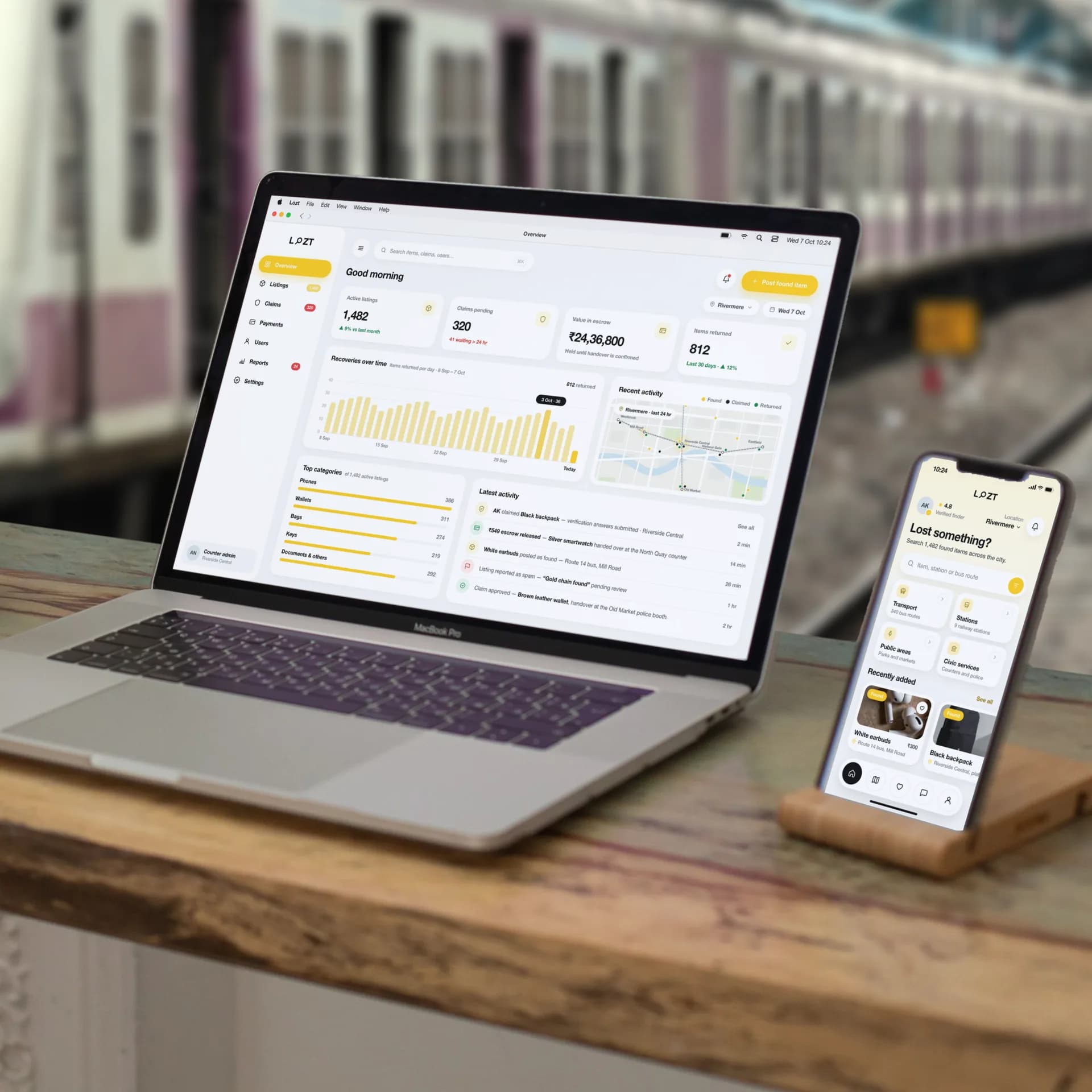
Loztapp is a city-wide lost-and-found listing platform we built with a mobile app, map-first search, matching, chat, escrow and an operator console.
Loztapp
Supremacy Technologies designs and engineers custom software platforms including marketplaces, commerce and listing products.

Ecommerce platform engineering for catalogues, inventory, checkout, payments, orders, fulfilment, admin operations and integrations.

An ERP with a built-in examination platform for pilots and aviation professionals.
Mobile product engineering for iOS, Android and cross-platform applications connected to reliable backend systems and business workflows.
Build multi-tenant SaaS products with scalable architecture, authentication, roles, billing foundations, APIs, admin tools and deployment.

Software engineering for logistics and distribution workflows including inventory, fulfilment, operations, portals and reporting.
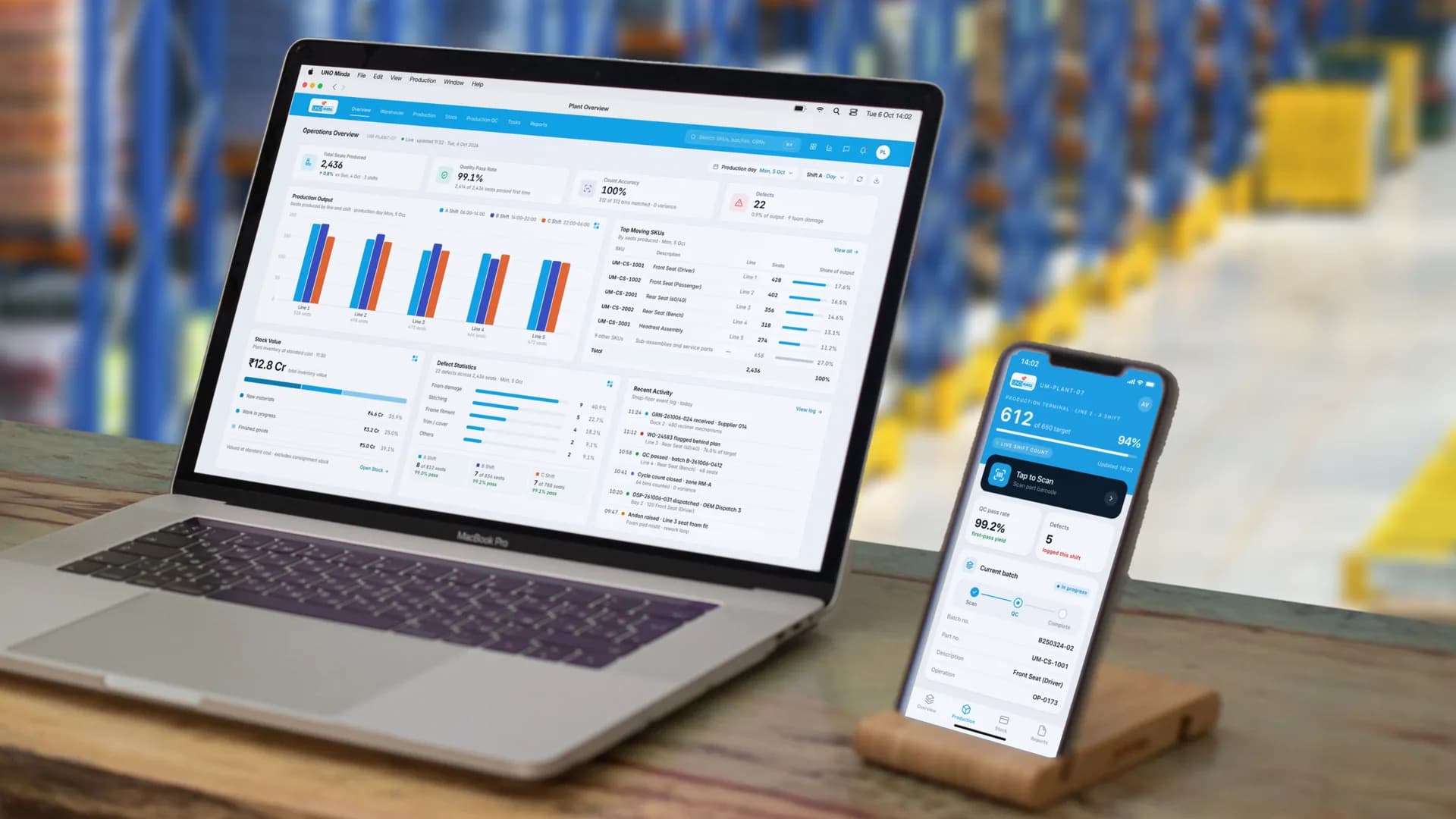
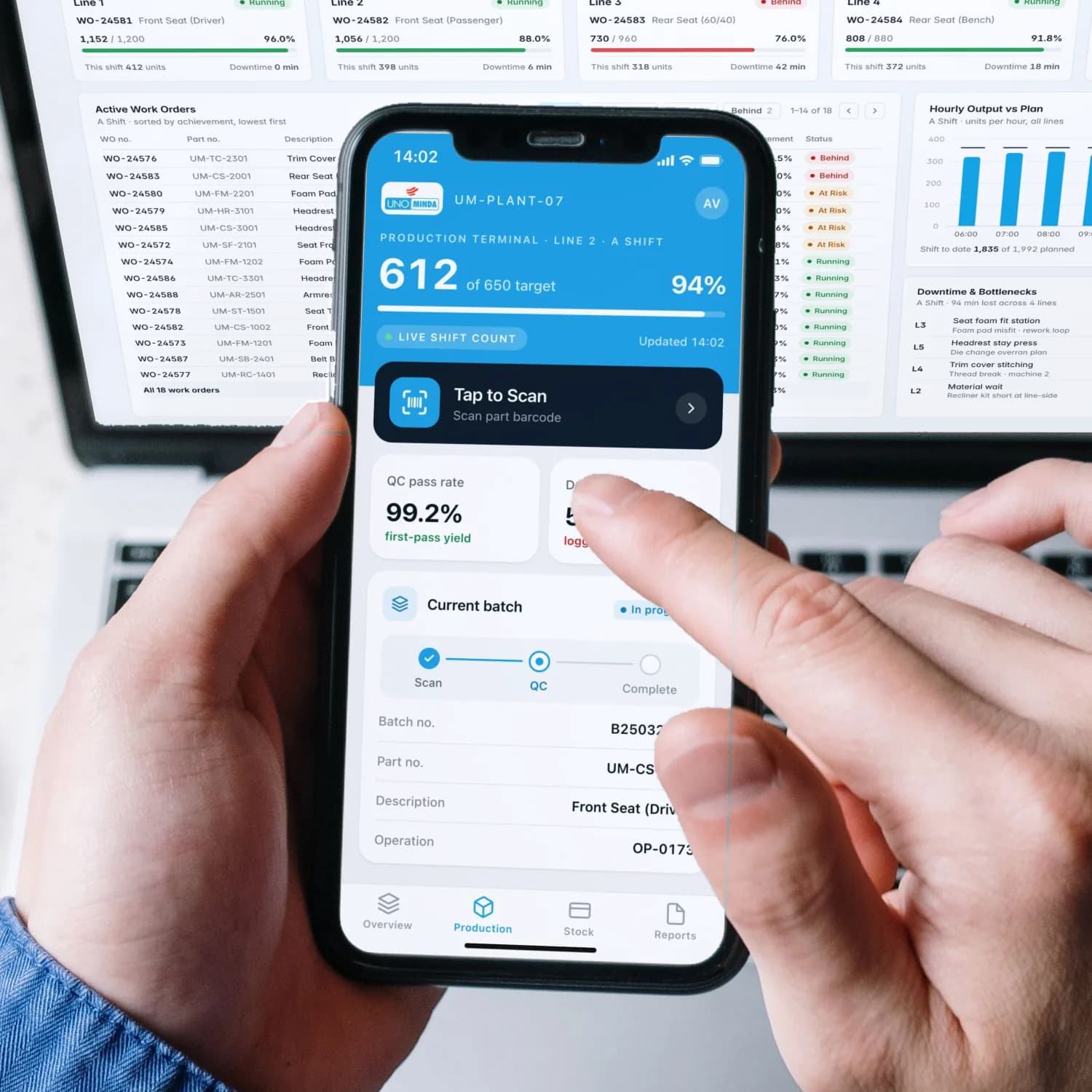
Platforms, applications and systems Supremacy has designed or engineered for customers, including UNO Minda, NeuroSynk, Windzard and Loztapp.
A marketplace usually handles the exchange itself, with a transaction between buyer and seller. A listing platform connects the two sides and leaves the exchange to them, which makes it simpler to build and to operate. A marketplace can start as a listing platform and add transactions later, and we scope it that way when it reduces risk.
Only if money moves through your platform. Many listing platforms do not need it. For Loztapp we engineered escrow for rewards held until a handover is confirmed, with a ledger and automatic refunds, because that product needed it. We scope payments as a separate piece of work so you do not carry it where it is not needed.
Users report a listing, reports reach a severity-ranked queue, and the operator hides, restores or escalates. Rules can hide a listing after repeated reports, and uploaded images can be checked for sensitive content before they appear. We build the queue and rules into the operator console, and your team sets the thresholds.
Yes. We model places and areas in the database so a listing can be found by radius, by area or along a route, and we pair that with a map-first interface on the mobile app. Location search is a design decision from the start because it is hard to add to a flat list later.
One area at a time is usually safer. A marketplace needs enough supply and demand in the same place to feel alive, and a small launch lets the operator learn the console and the moderation rules before volume arrives.
It depends on the model, the number of roles, whether transactions are involved, how much moderation you need and which apps you want on day one. We give a figure after the discovery step, when those are fixed, and we can phase the scope so the first release is the smallest one that tests your idea.
Start a project
Your name, phone number and what you need are enough to start. Email, company and a message help us prepare. We reply within one working day.