



scope definition
We turn the idea into one primary user, one core job and a written list of what is in, what is stubbed and what is left out. That list is the contract for the build.
Loading…
A selection of the companies and products Supremacy Technologies has engineered.









ServiceMVP Development
MVP development for startups at Supremacy Technologies means a production-minded foundation, a focused scope and a clear path from validation to scale. We cut the feature list down to the one workflow your first users must complete, and we build that workflow on the same stack and structure as a full product.

A minimum viable product has one job: put a real workflow in front of real users so you learn whether the idea holds. Most MVPs fail that job in one of two ways. They carry so many features that the learning arrives late, or they are built as throwaway code that has to be rewritten the moment users say yes.
Our startup software development work avoids both. We agree what is cut and what is only stubbed, then build the kept scope on a stack that a larger product can grow on. Founders who search for an MVP development company India has to offer usually want exactly this: a first release fast enough to test the market and sound enough not to be thrown away.
Eight pieces make up most first releases. Each is sized to the scope you and we agree, not to a template.
We turn the idea into one primary user, one core job and a written list of what is in, what is stubbed and what is left out. That list is the contract for the build.
Data model, service boundaries and deployment are set up as they would be for a full product, so version two adds to the foundation instead of replacing it.
The single path that proves the idea, built end to end with real data handling, error states and the screens a first user needs to finish it.
Sign-up, sign-in, password recovery and the small set of roles the first release needs, such as customer and admin, with permissions enforced on the server.
Payment collection through a gateway when the idea depends on money changing hands, and left out entirely when it does not.
A simple back-office to view users, records and activity and to correct data, so the team is not editing the database by hand during the first weeks.
Events recorded at the points that answer your validation questions, such as sign-up completed or first task finished, so the data you collect is useful from day one.
Release to your first users, a channel for their feedback and a short review cycle that decides what is built, changed or dropped next.
We rank every proposed feature against the one thing the MVP must prove, and move the rest to a later list with the reason recorded.
Where a capability is needed only to look complete, such as a report or a notification rule, we stub it behind a clean interface and replace it when users ask for it.
Each increment lands on a staging environment you can open, click through and comment on, so scope questions surface while they are cheap to change.
We shape the sign-up and first-run flow around the first cohort you actually have, whether that is ten users you know by name or a public launch.
Feedback and analytics events are reviewed together after launch, and the result is a ranked list of changes rather than a pile of requests.
Because the foundation is clean, a change of direction touches the workflow layer and leaves authentication, data handling and deployment in place.
A short working session on the idea, the first users and the one thing the release must prove. It ends with the written scope list and the basis for the quote.
We agree what is in, stubbed and out, choose the stack and sketch the data model and screens, then you approve the plan before build starts.
The core workflow is built first and shown on staging as it grows, with regular reviews against the scope list.
We test the core path, check roles and payments, set up monitoring and prepare the release, whether that is a web launch or an app-store submission.
The release goes to your first users, and we collect feedback and analytics against the questions you set at the start.
With evidence in hand, we plan version two together: extend the product, change direction or stop, and the foundation supports whichever you choose.
Loztapp was built in stages, from a listing core and mobile app, through maps, matching and chat, to the operator dashboard and city launch.
Loztapp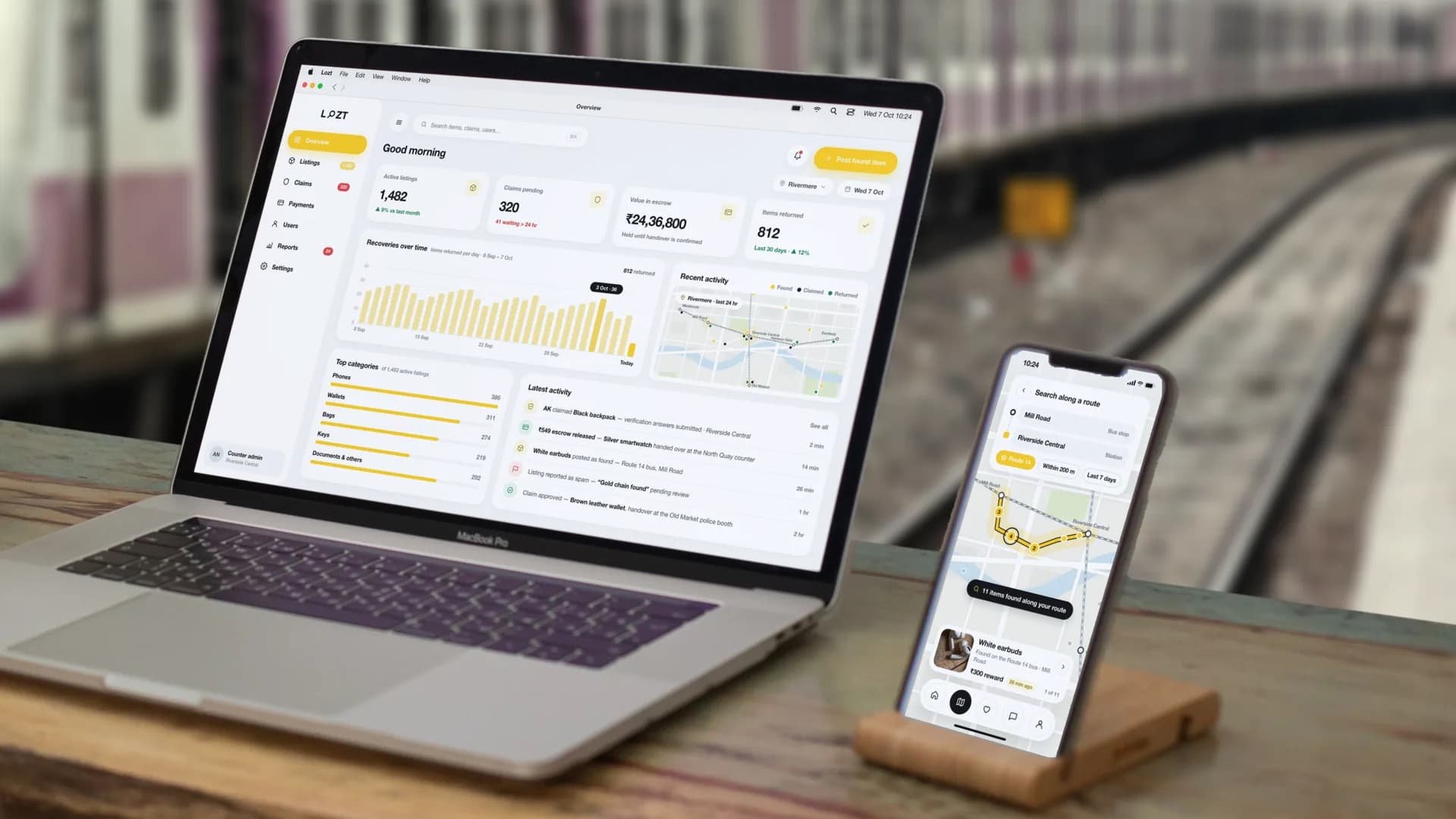
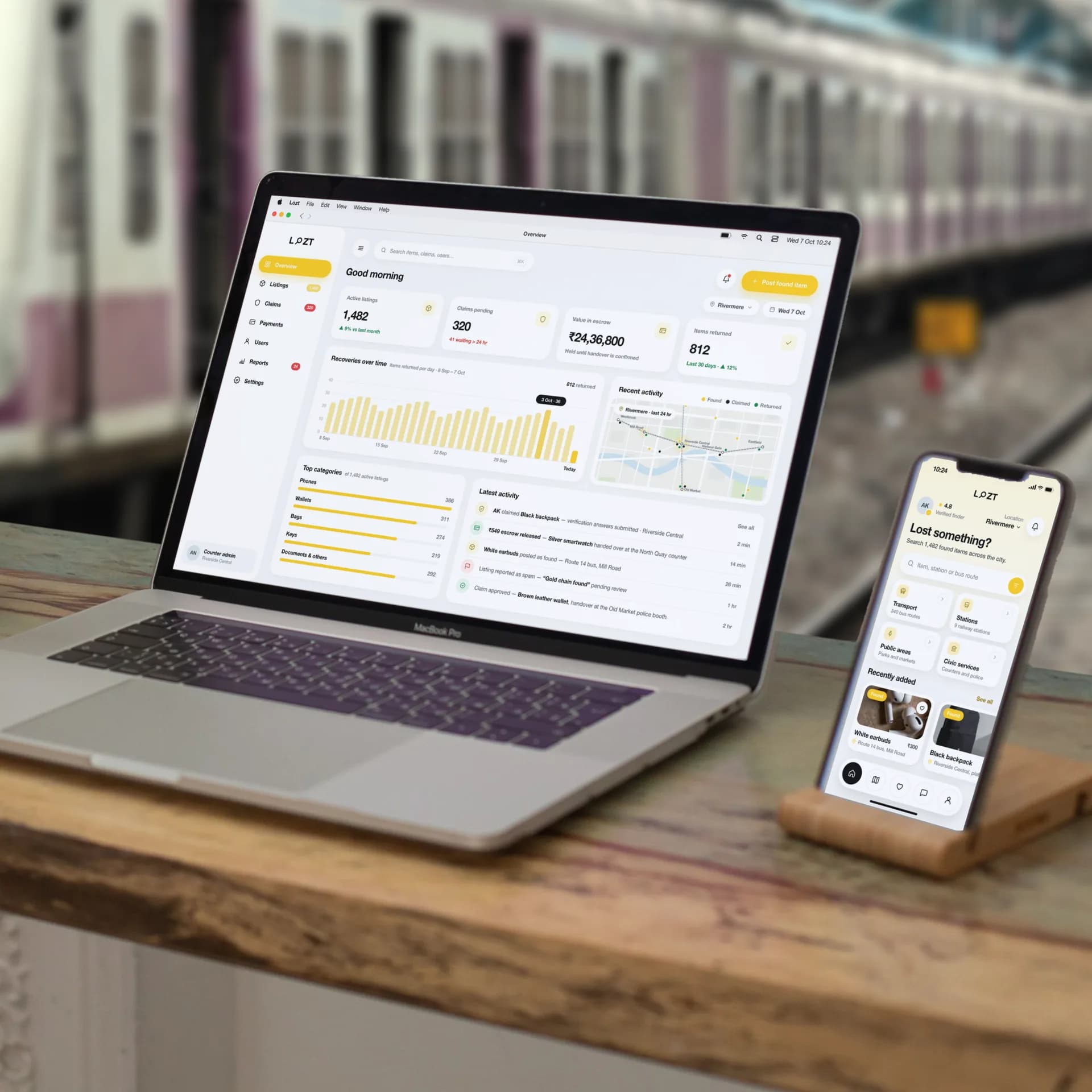
Build multi-tenant SaaS products with scalable architecture, authentication, roles, billing foundations, APIs, admin tools and deployment.

End-to-end product engineering from architecture and UX through frontend, backend, QA, deployment and long-term product evolution.
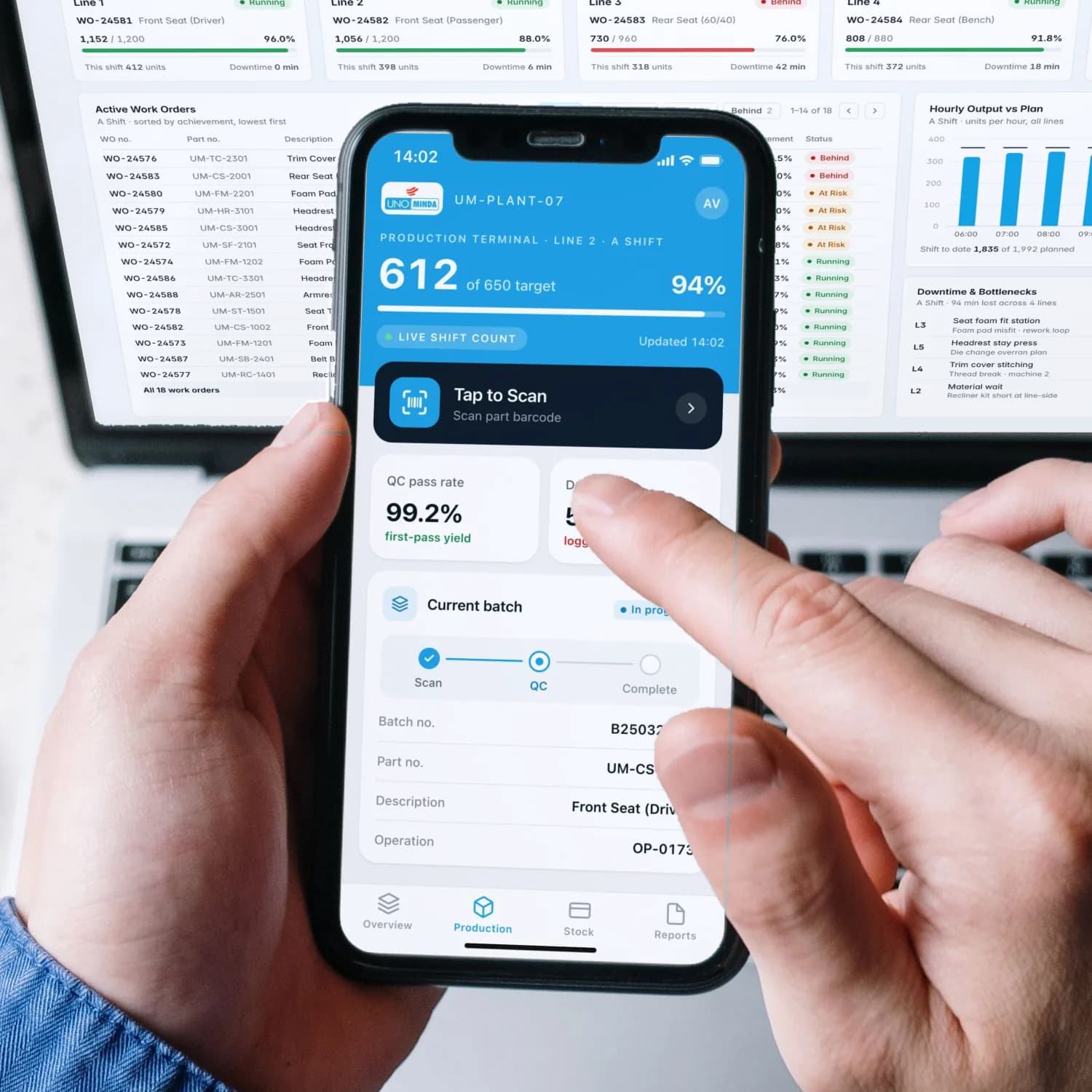
Mobile product engineering for iOS, Android and cross-platform applications connected to reliable backend systems and business workflows.

Custom web applications, SaaS interfaces, dashboards, portals, admin systems and transactional products engineered for real operations.

You have a demo that works. What is actually between that and a system your business can depend on?
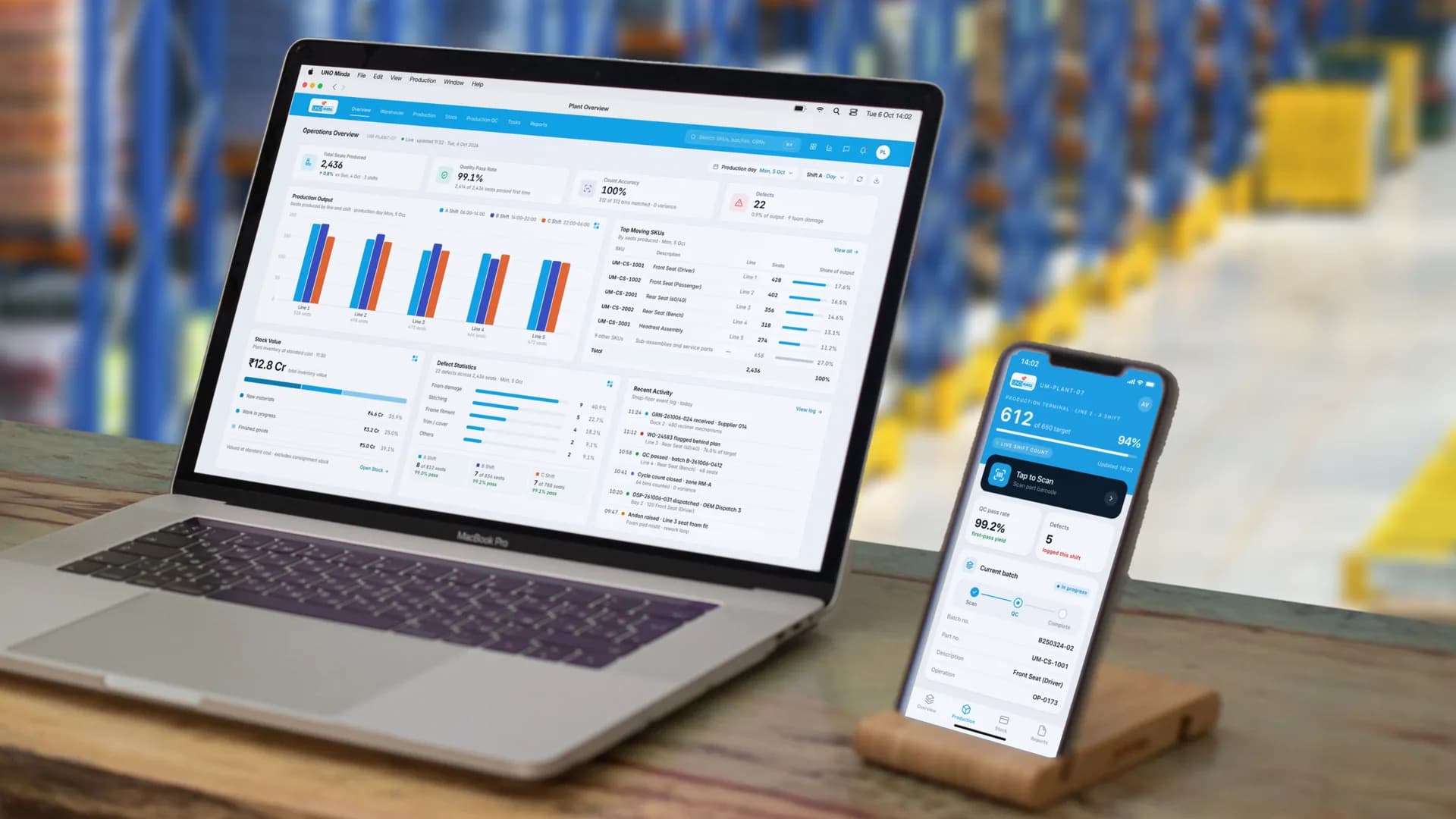
Platforms, applications and systems Supremacy has designed or engineered for customers, including UNO Minda, NeuroSynk, Windzard and Loztapp.
It depends on the scope, the number of user roles, the integrations and whether the release is web, mobile or both. We give a timeline band after discovery, once the in, stubbed and out list exists, and we do not quote a duration before that.
Anything the first users do not need to complete the core job: secondary roles, advanced reporting, bulk tools, settings screens and most integrations. Some of these are stubbed so the product looks coherent, and the written scope list records which.
Cost is quoted per scope, not from a rate card. The main factors are the number of workflows, user roles, integrations, payment needs and platforms. We settle these in discovery and quote against the written list.
Yes, that is why we build it on the same stack and structure as our full products. Version two extends the foundation with new workflows and scale work instead of replacing it.
A clear description of the user and the problem, decisions on scope when we ask for them, and access to a few real users for feedback. Brand assets and accounts for payment or app-store services are needed closer to launch.
By building less, not by building carelessly. The scope stays small, the core workflow gets tests, roles and validation are enforced on the server, and each increment is reviewed on staging before the next begins.
Start a project
Your name, phone number and what you need are enough to start. Email, company and a message help us prepare. We reply within one working day.