



product discovery & architecture
A written scope, a domain model and an architecture decision record that explain why the system is shaped the way it is. This is the document the next engineer reads first.
Loading…
A selection of the companies and products Supremacy Technologies has engineered.









ServiceSoftware Product Engineering
Software product engineering services from Supremacy Technologies cover architecture, UX, frontend, backend, QA, deployment and the releases that follow. A product is never finished at launch, so we design the first version to be changed safely by whoever owns it next.
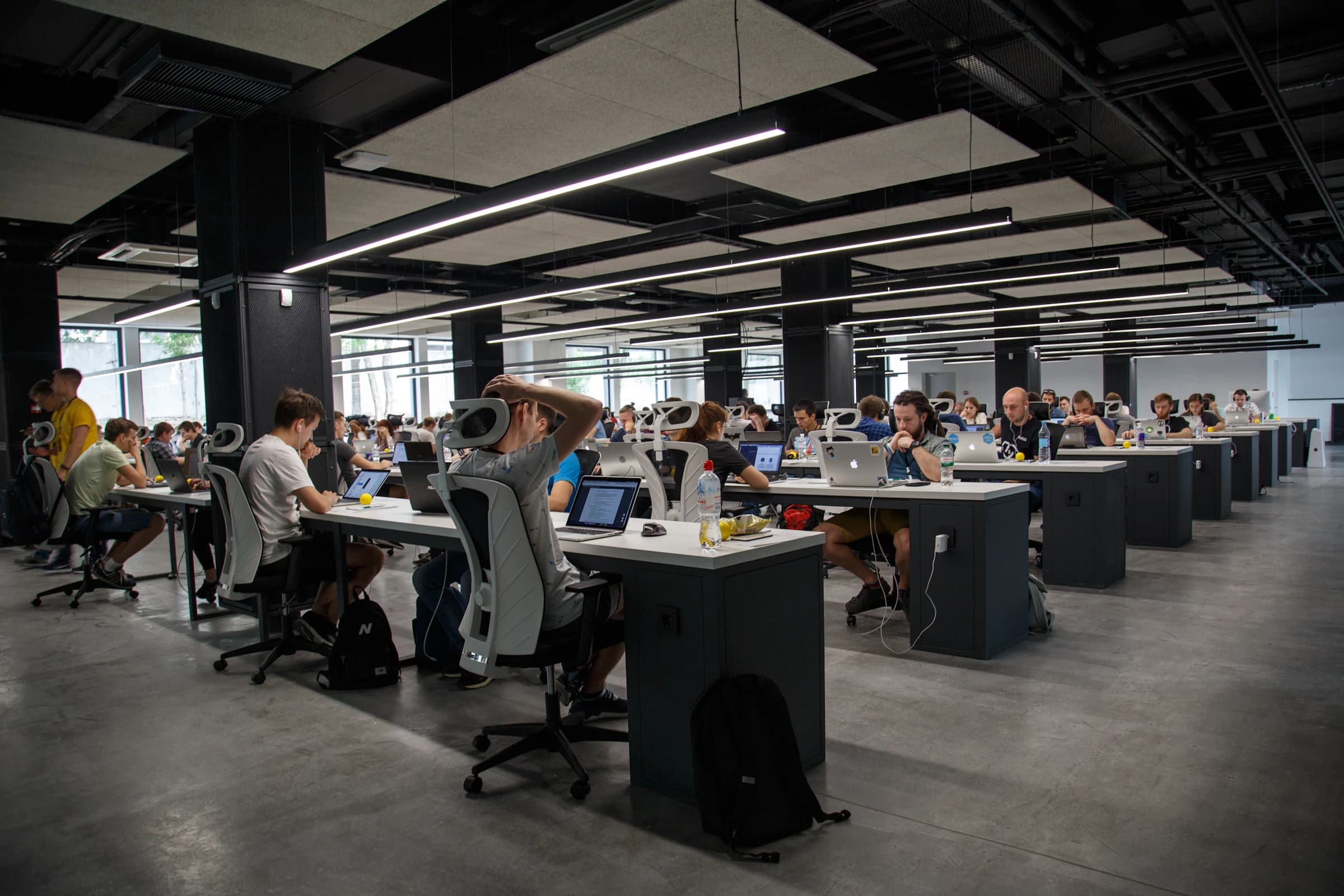
Most product teams do not struggle to ship a first release. They struggle with the second year: a data model that cannot take a new customer type, a frontend nobody dares to touch, releases that need a weekend. Supremacy Technologies, a product engineering company in India, builds software products with that second year in mind from the first architecture decision.
We work on the product development lifecycle end to end: discovery, architecture, interface design, build, testing, deployment and the release cadence afterwards. The same engineers carry context from one stage to the next, so decisions made in week one are still understood in month eighteen.
Long-term product evolution is the point of the work. This page is about software products only; we do not build hardware or embedded firmware.
Each item below is a deliverable you can inspect, not a phase name.
A written scope, a domain model and an architecture decision record that explain why the system is shaped the way it is. This is the document the next engineer reads first.
Flows, wireframes and a component-based design system, so new screens are assembled from tested parts instead of drawn from scratch.
Next.js and React applications with typed data fetching, accessible components and a performance budget checked in CI.
Node.js services and documented, versioned APIs that web, mobile and partner integrations can all depend on.
A PostgreSQL schema designed around the domain, with reviewed, reversible migrations so the model can change while the product is live.
Unit, integration and end-to-end suites that run on every pull request, plus a manual exploratory pass before each release.
Repeatable infrastructure, separate development, staging and production environments, and secrets handled outside the codebase.
Structured logs, metrics, error tracking and alerts wired in before launch, so a production problem is found by us before a customer reports it.
A defined release cadence with changelogs, feature flags and a tested rollback path for every deployment.
A roadmap-driven backlog after launch: new modules, refactors, dependency upgrades and performance work planned alongside feature requests.
Every week the working increment is shown on staging, not in slides, and your feedback becomes the next week's tickets.
Every change is reviewed, tested and deployed through the same pipeline, and your engineers can read and comment on it in your own repository.
We refine stories with the person who owns the roadmap, splitting work until each item can ship independently.
Shortcuts taken to hit a date are logged as tickets with a cost, so they get paid down instead of forgotten.
Before each release we confirm migrations, flags, monitoring and rollback steps, so a release is a routine event.
When something breaks in production, we write up the cause and the fix and change the process or the test that missed it.
A short, scoped discovery with your product owner to settle users, outcomes, constraints and the riskiest assumptions. Cost and duration estimates are produced at the end of this step, not before it.
We propose the architecture, tenancy model and stack, and record the trade-offs, then agree the first release scope with you.
Short iterations, each ending in a demonstrable increment on a staging environment, with tests written alongside the code.
Performance, security, accessibility and failure-mode testing before launch, plus monitoring and runbooks for the people who will operate it.
A planned release with a rollback path, and engineers on hand during the first production days.
A continuing release rhythm against your roadmap: new features, upgrades and refactoring, with the engagement scaled to what the product needs.
An operations platform built as a product: 15+ modules on one source of truth.
NeuroSynk Research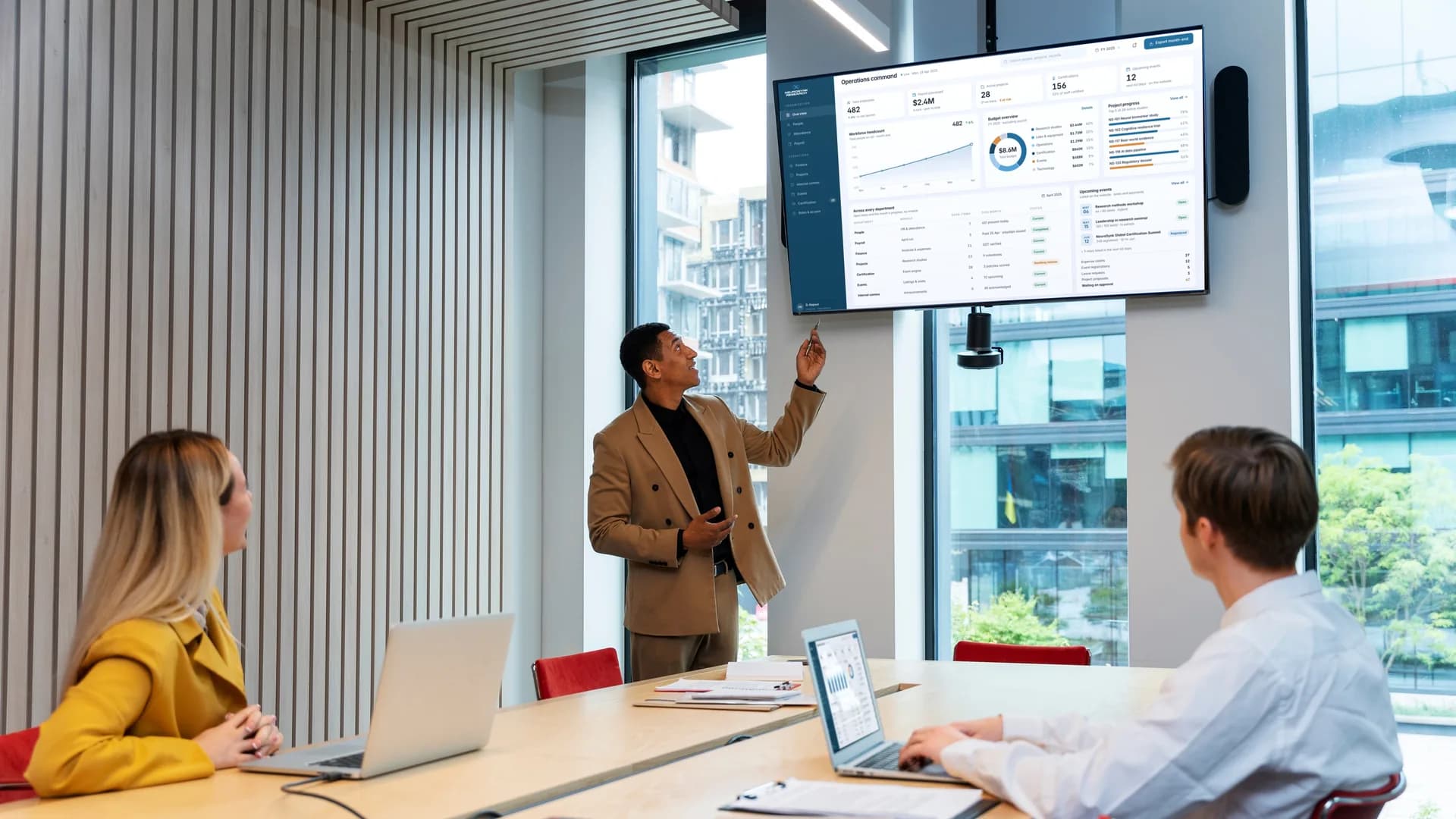
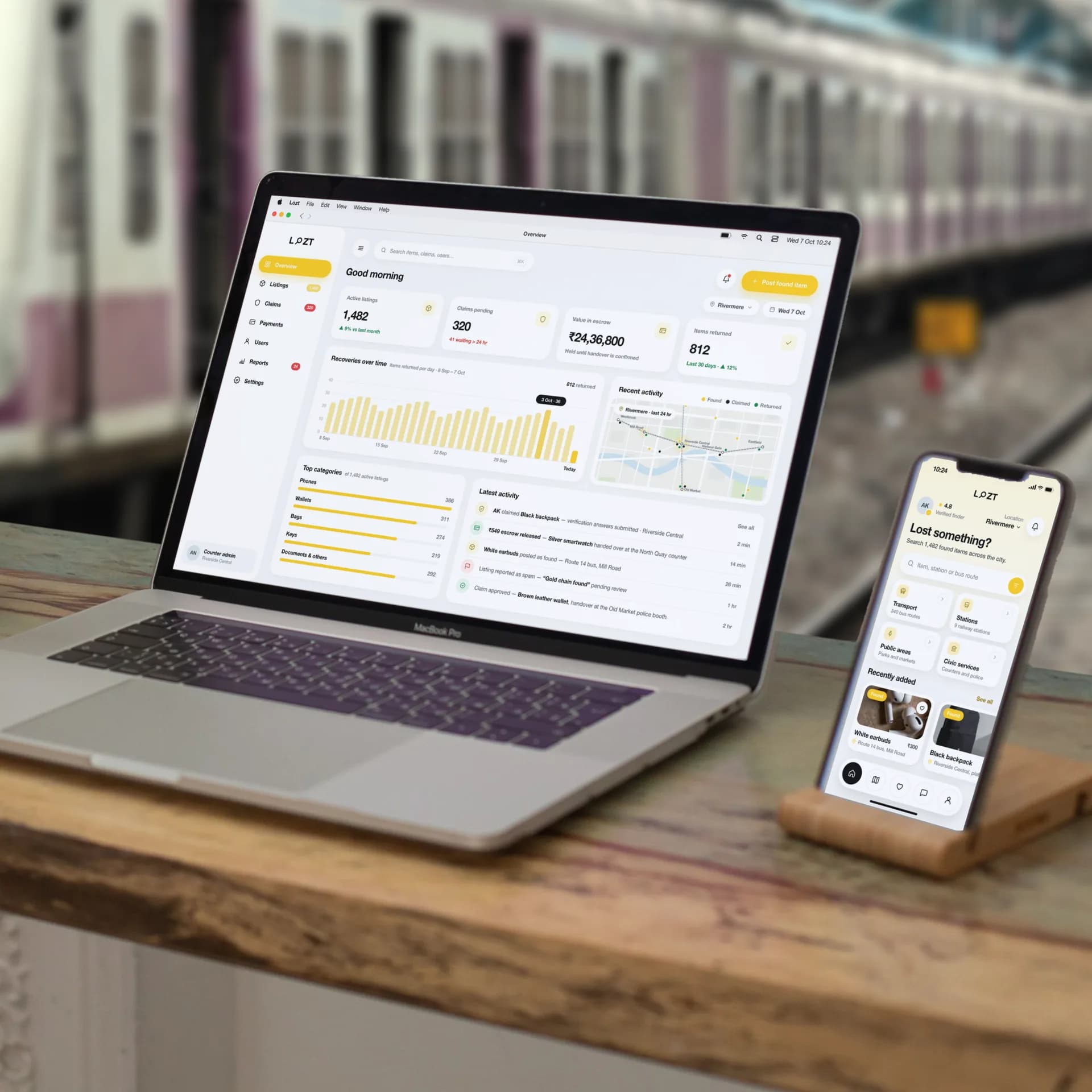
A consumer listing product taken from first release to city launch.
Loztapp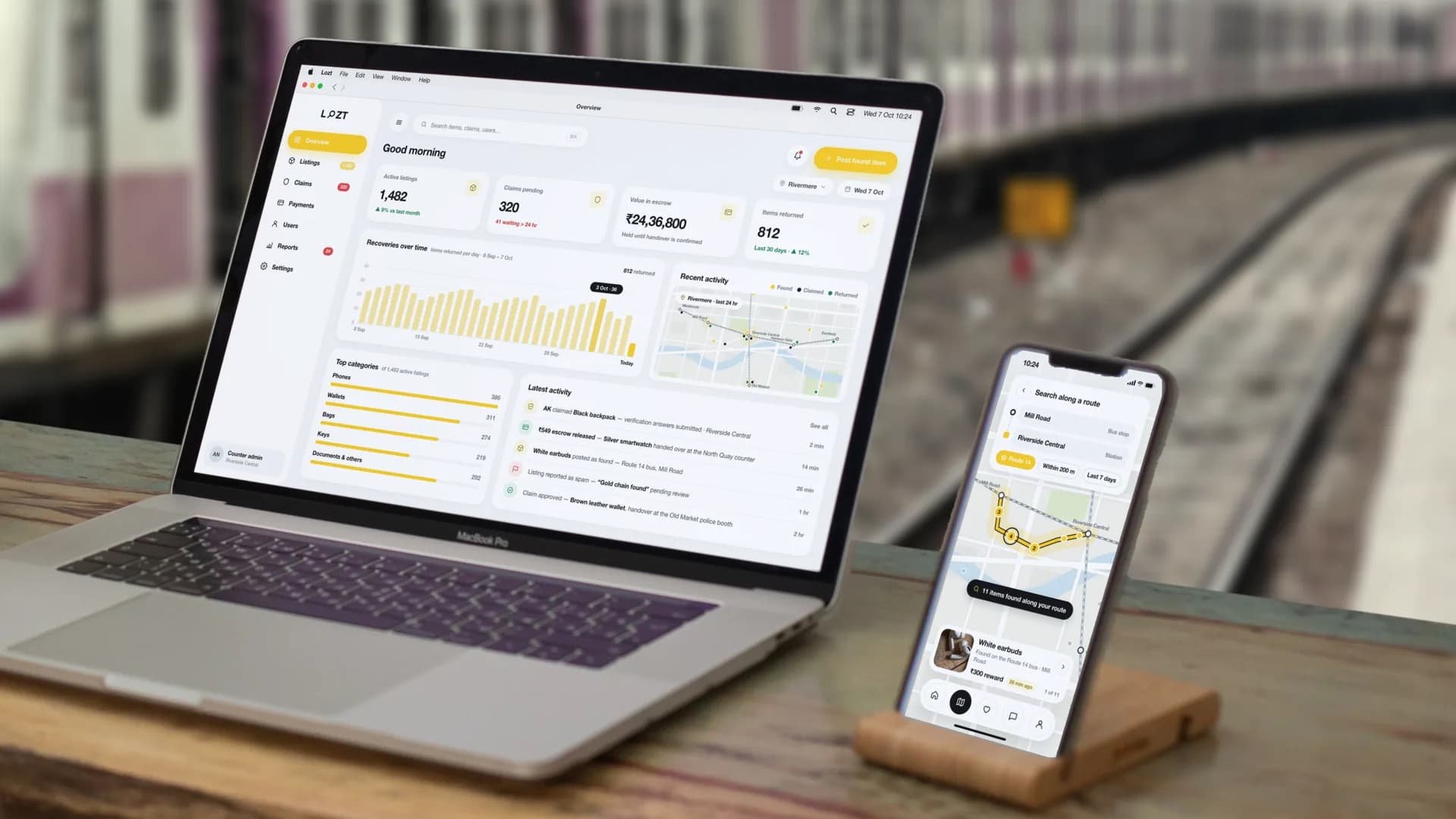
Build multi-tenant SaaS products with scalable architecture, authentication, roles, billing foundations, APIs, admin tools and deployment.

MVP development for startups that need a production-minded foundation, focused scope and a clear path from validation to scale.

Custom web applications, SaaS interfaces, dashboards, portals, admin systems and transactional products engineered for real operations.
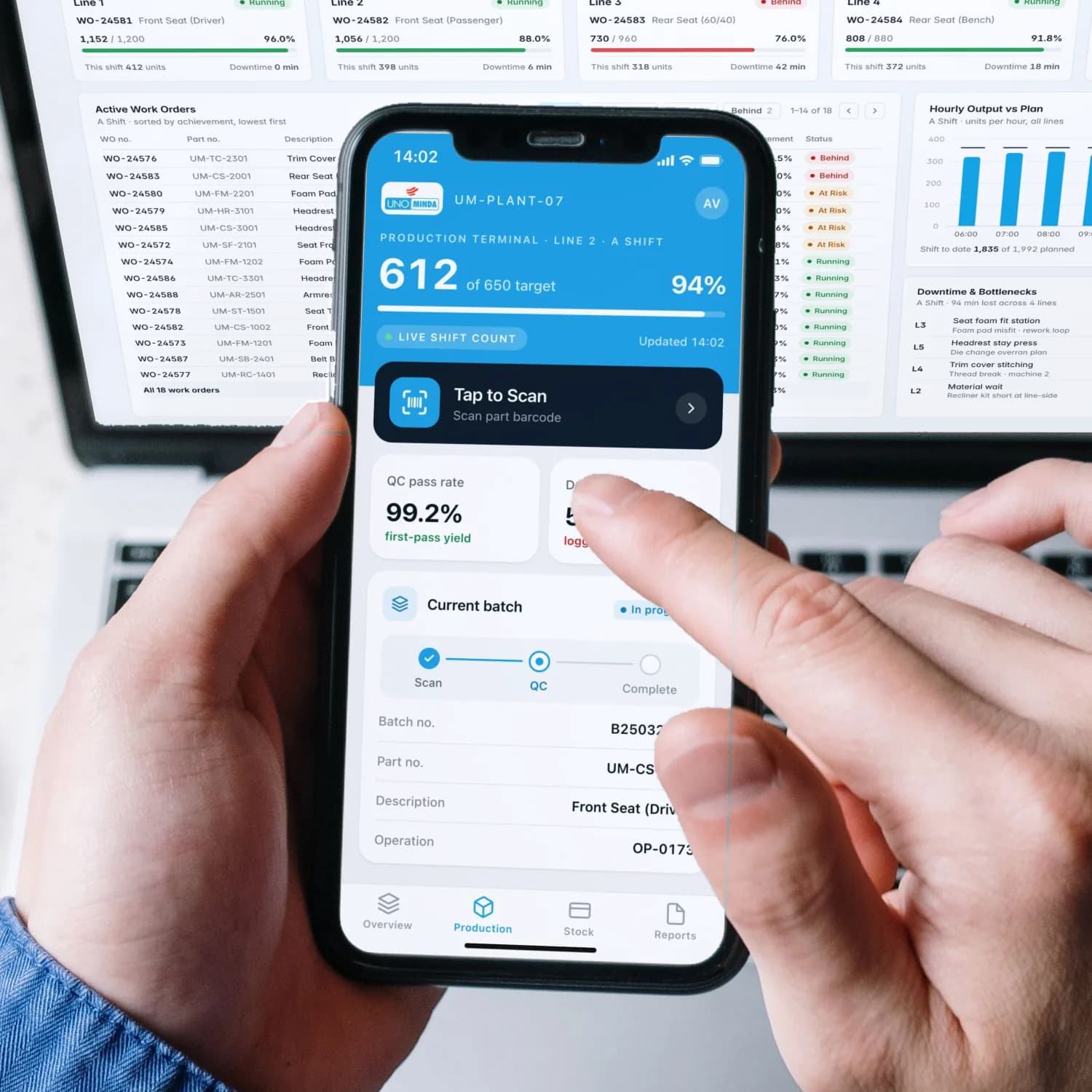
Mobile product engineering for iOS, Android and cross-platform applications connected to reliable backend systems and business workflows.

How Supremacy Technologies approaches architecture, APIs, testing, delivery, deployment, security practices and long-term maintainability.
Explore software products engineered and operated by Supremacy Technologies, starting with Supremacy Suite.
Most engagements start with a scoped discovery and then run as a continuing team working in iterations against your roadmap. Fixed-scope work is possible where the scope is genuinely fixed. We agree the model in writing at the end of discovery.
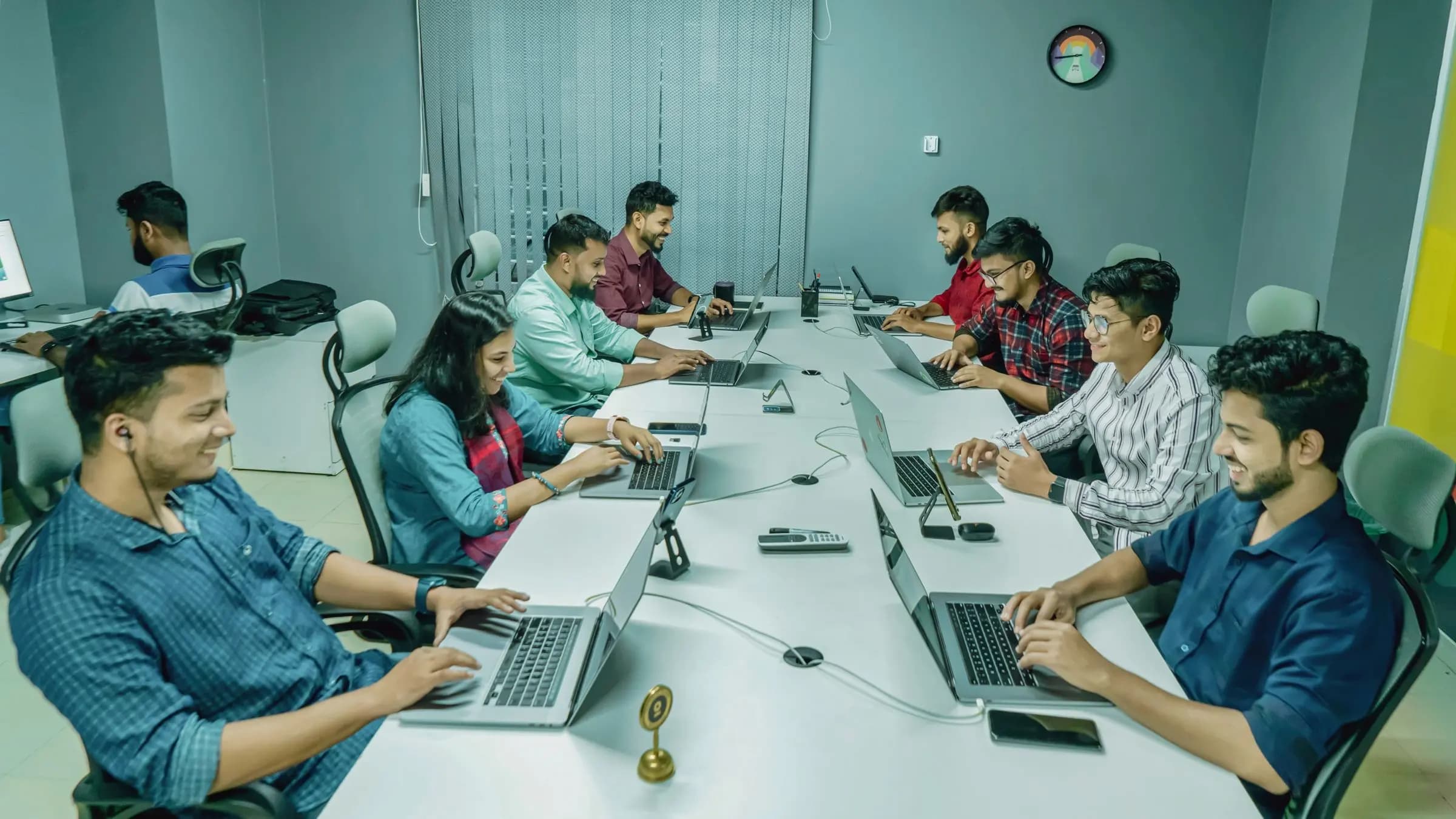
A typical team has an engineering lead, frontend and backend engineers, and QA, with design brought in where the product needs it. Yes, we can join your sprints, follow your branching and code review process, and work in your repository and tracker.
Ownership of the code and the deliverables is set out in the agreement, and the work lives in a repository your organisation controls. We write architecture records, runbooks and tests so your own engineers can take the product over, and we hand over knowledge as part of the work if you ask.
Launch is the start of the release rhythm, not the end of the engagement. Post-launch support, including how production incidents are handled and who is on call, is scoped explicitly in the engagement rather than assumed.
Both depend on scope, the number of user roles and integrations, how much is new design versus existing design, and the team size you need. We do not quote a figure from a brief description; the discovery step produces an estimate you can check.
Choose product engineering when the software is the thing you sell or will keep evolving for years, so architecture, release practice and a roadmap matter as much as the first build. Choose custom software development for a defined internal need with a narrower scope.
Start a project
Your name, phone number and what you need are enough to start. Email, company and a message help us prepare. We reply within one working day.