



catalogue & variants
Products, categories, attributes and variants such as size and colour, with media, pricing and a status on the record: active, draft, low stock or out of stock.
Loading…
A selection of the companies and products Supremacy Technologies has engineered.









PlatformE-commerce
Ecommerce platform development at Supremacy Technologies covers catalogues, inventory, checkout, payments, orders, fulfilment, admin operations and integrations. The storefront is the easy half; we build the stock record, the order flow and the back office that decide whether a store keeps working on a busy day.

Stores rarely fail on the home page. They fail in the seam between selling and fulfilling: stock that is already gone, addresses retyped by hand, payments nobody can tie to an order, and returns that cannot be traced to what was bought. We start from that seam and build outward to the storefront.
From Chennai we take on custom ecommerce development for brands that have outgrown a theme or a marketplace storefront and need the catalogue, stock, orders and shipping to run off one record. The same build can serve a D2C commerce platform with its own shopper app, or a business adding online selling to an operation that already exists.
Each part below is built to share one catalogue, one stock count and one order record, so the storefront and the back office cannot drift apart.
Products, categories, attributes and variants such as size and colour, with media, pricing and a status on the record: active, draft, low stock or out of stock.
Stock held for each variant and reserved at checkout, so a size that has just sold cannot be sold again while a second cart is open.
A cart that survives the session, saved delivery addresses, order summary and a designed failure path for payments that do not clear.
Payment methods are offered through integration with a payment gateway you choose; we are not a payment provider. Cash on delivery is reconciled in the same ledger as every other method.
Courier assignment and tracking on the order itself, and returns and refunds that tie back to the payment that made them.
Customer reviews held in a queue where your team approves, rejects or responds before anything is published.
Discount rules set in the console and applied at checkout, so a campaign is configuration rather than a code change.
One console for the catalogue, stock, orders, customers, payments, shipping, returns and store settings, with the figures that decide the day on its first screen.
iOS and Android apps with a home feed, search and filters, product detail with live stock, wishlist, checkout and push notifications on order changes.
We read real orders, returns and stock records before drawing screens, because the costly failures sit between selling and fulfilling. This step also settles scope, integrations and what a realistic plan costs.
The catalogue, variants and per-variant inventory go in at the start, since everything else reads from them.
Cart, checkout and the payment gateway integration, tested against failed, abandoned and cash-on-delivery orders.
Shipping, tracking, returns and refunds, connected to the order and payment records already in place.
The console, reporting and roles are finished and the store is rolled out in stages, so trading continues while modules go live.
After launch we monitor, fix and extend: new payment methods, new channels, new reports.
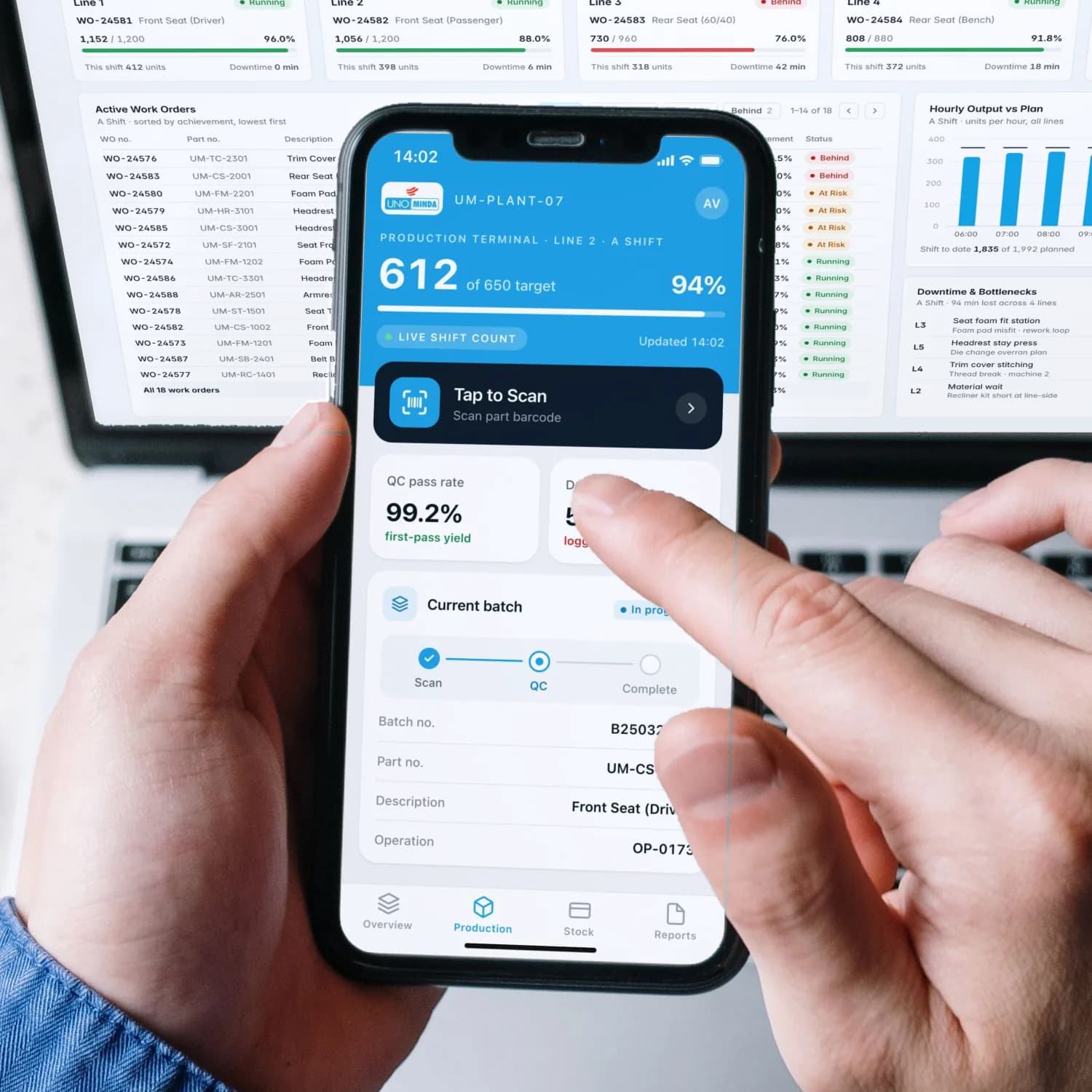
Mobile product engineering for iOS, Android and cross-platform applications connected to reliable backend systems and business workflows.

Custom web applications, SaaS interfaces, dashboards, portals, admin systems and transactional products engineered for real operations.

Custom software engineered around unique business workflows, internal operations, integrations and long-term product requirements.
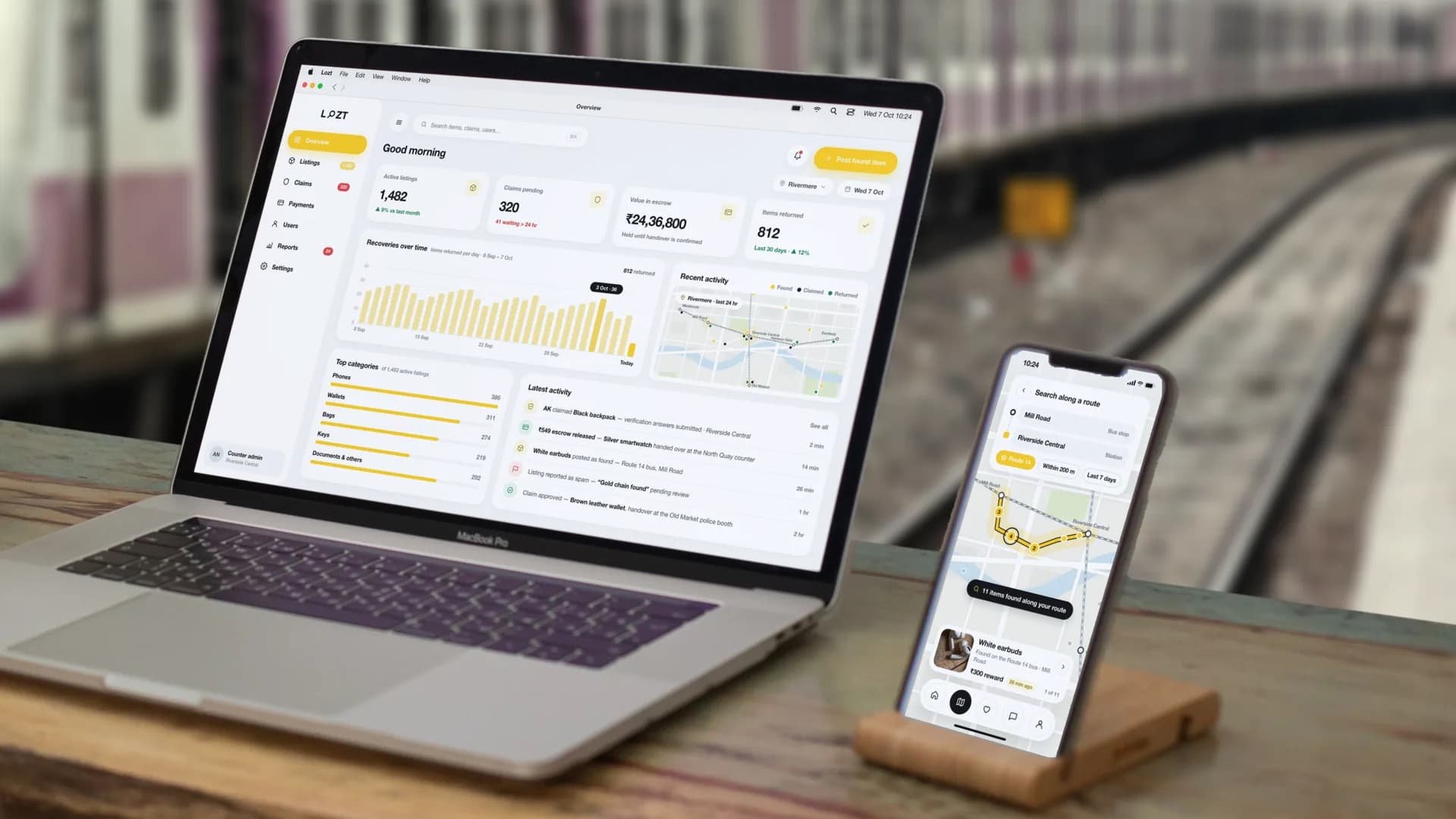
Marketplace and listing platform engineering for multi-sided products with onboarding, discovery, listings, workflows and operator tooling.

An ERP with a built-in examination platform for pilots and aviation professionals.

Supremacy Technologies designs and engineers custom software platforms including marketplaces, commerce and listing products.

Custom software for retail operations including inventory, purchasing, workforce, finance, customer workflows and integrations.
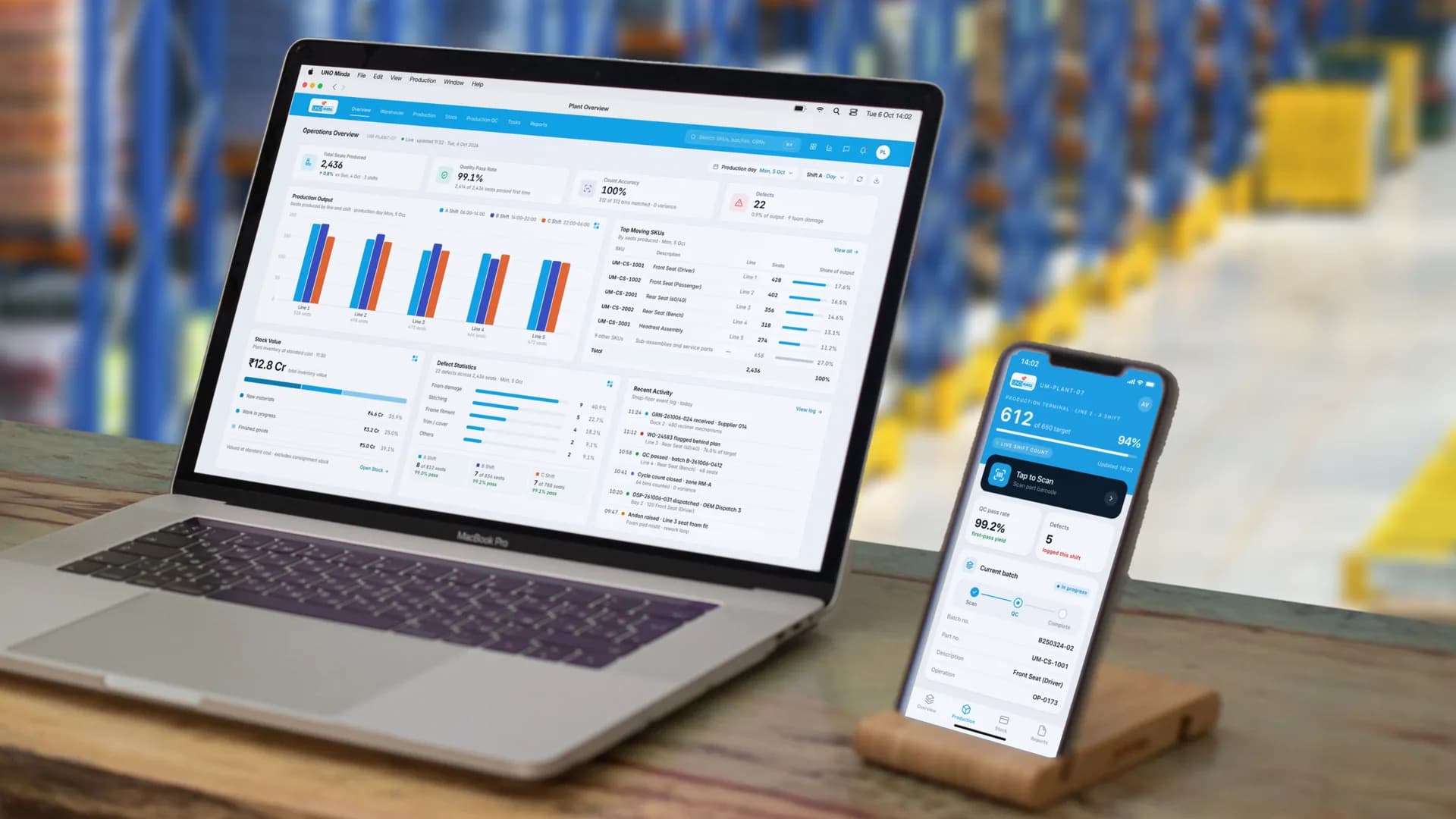
Platforms, applications and systems Supremacy has designed or engineered for customers, including UNO Minda, NeuroSynk, Windzard and Loztapp.
A hosted product is usually quicker for a standard catalogue and checkout. A custom build earns its cost when stock, orders, shipping or pricing follow rules the product cannot express, or when you need a shopper app and a console shaped to your own operation. We will tell you in discovery if a hosted product fits your case better.
Yes, as an engineering project. Multi-vendor ecommerce adds seller accounts, separate catalogues and stock, commission rules and payouts, which is closer to a marketplace build. The marketplace platform page covers that anatomy, and we scope the vendor model with you in discovery.
UPI, cards, wallets, net banking and cash on delivery, offered via gateway integration with the payment gateway you choose. We integrate the gateway and reconcile its payments against orders; we are not a payment provider.
Yes, through an integration built for your system. We agree in discovery which side owns the stock count, how often it syncs and what happens on a conflict. Whether an integration exists for your system is confirmed during scoping, not assumed.
Yes. The shopper app for iOS and Android and the admin console are built together on one catalogue and one stock count.
Both depend on the number of sales channels, the variant and pricing rules, the integrations, whether you need a shopper app, and how much of the existing operation must be migrated. The discovery step turns those factors into a scoped plan with a staged delivery.
Start a project
Your name, phone number and what you need are enough to start. Email, company and a message help us prepare. We reply within one working day.