













Move freight on systems, not spreadsheets
We help logistics and transport operators replace manual dispatch boards, WhatsApp updates, and paper PODs with connected systems that track every shipment, vehicle, and invoice in one place.
- TMS
- Fleet telematics
- WMS
- ERP and billing
- Customer portals
- Driver apps
From manual dispatch to a connected operation
Logistics teams still run on Excel route sheets, phone-call status checks, and end-of-month invoice reconciliation. We build the systems that put dispatch, tracking, and billing on one connected backbone.
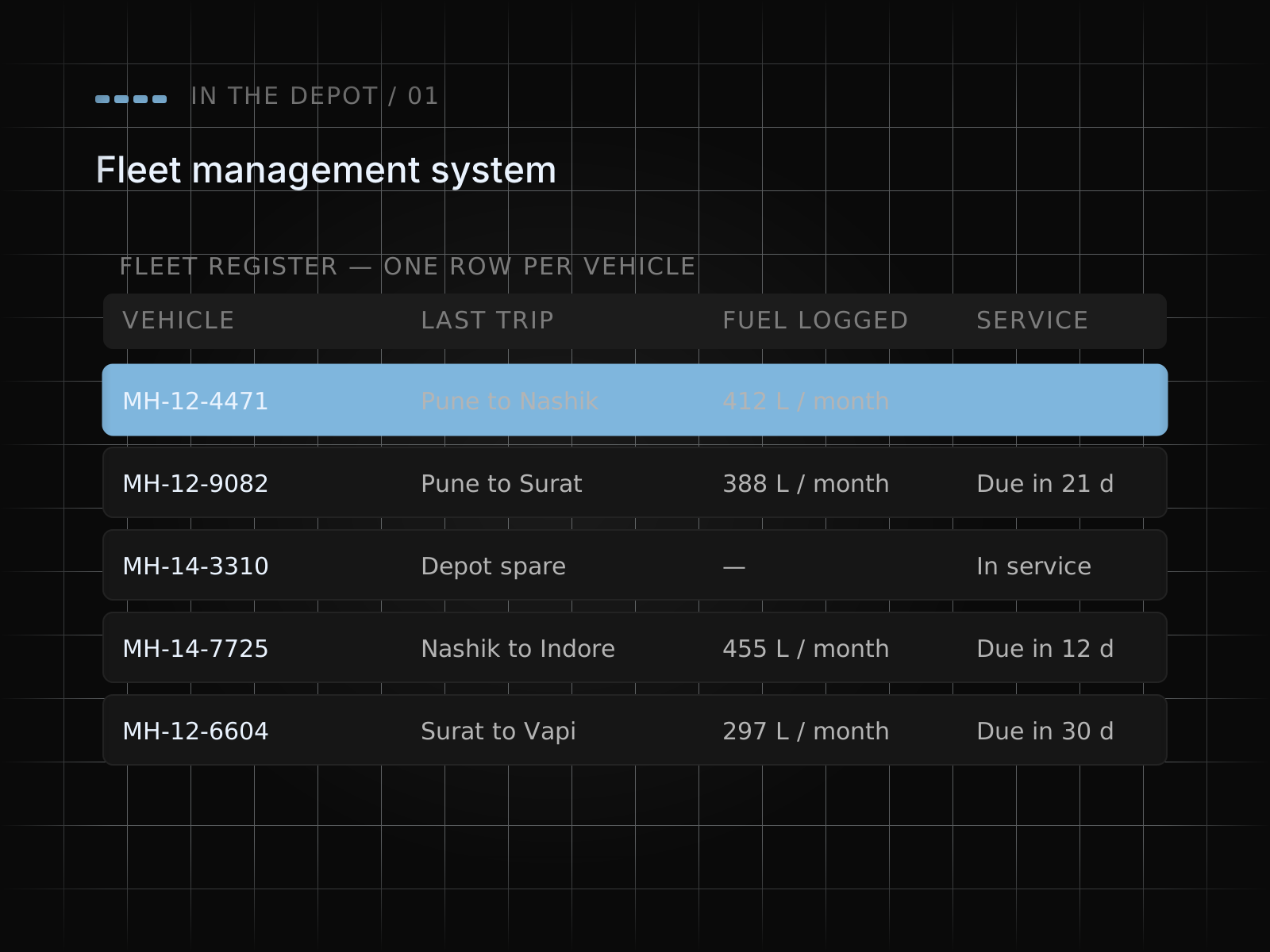
Fleet management system
Track every vehicle, trip, fuel entry, and service date in one system — replacing the depot whiteboard and scattered driver logs.
Live shipment tracking
Give dispatch and customers a real-time view of order status and location — instead of phone calls and end-of-day status sheets.
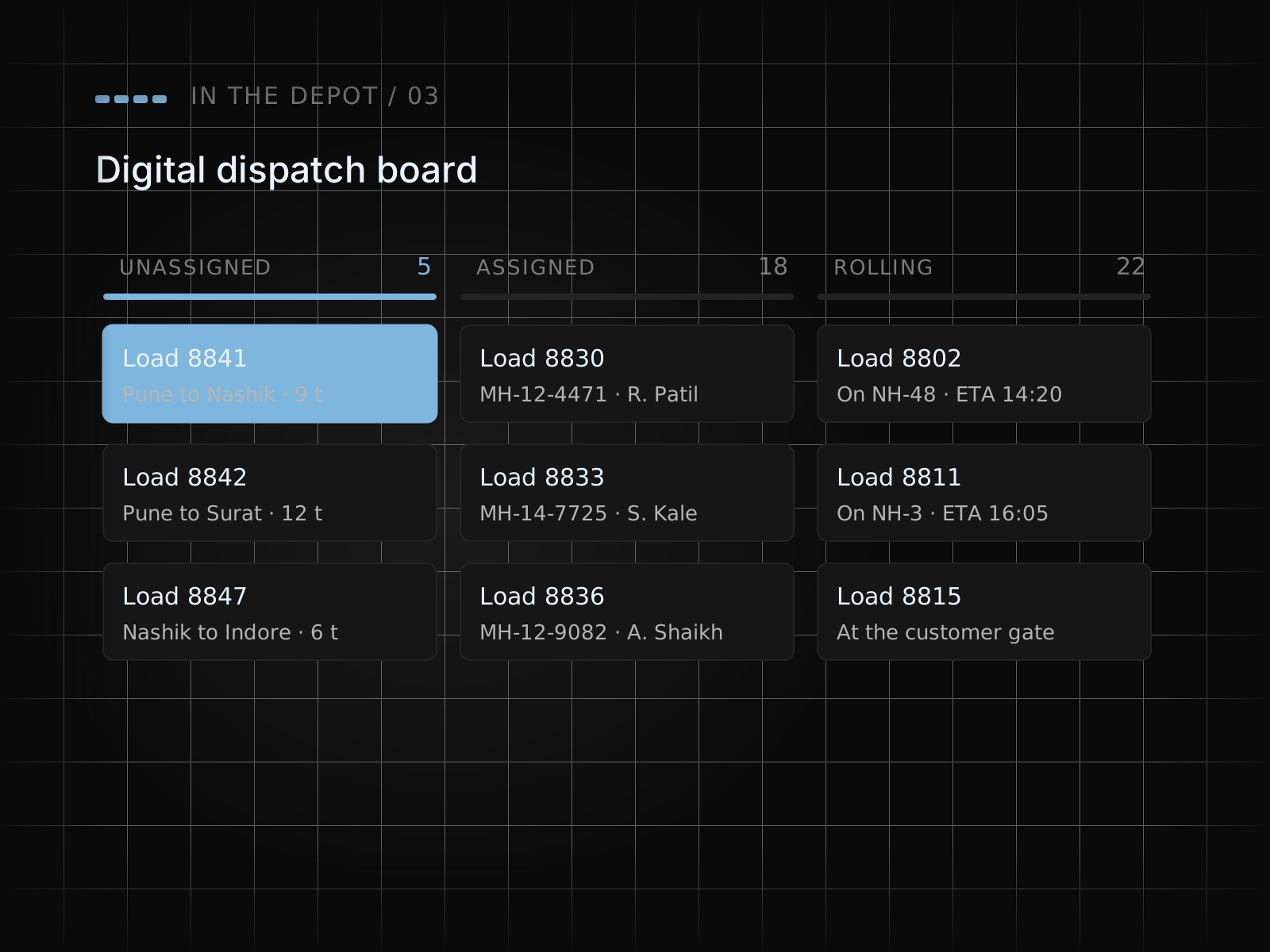
Digital dispatch board
Assign loads to drivers and vehicles on screen, with capacity and availability visible — no more WhatsApp group coordination.
Automated invoicing
Generate trip invoices from completed deliveries automatically, with rate cards applied — closing the month in days, not weeks.

Systems Supremacy builds for transport operators today
We pair with your operations team to digitize a single high-volume depot or lane — proving the impact on turnaround and visibility before we template it across the network.
Warehouse & inventory
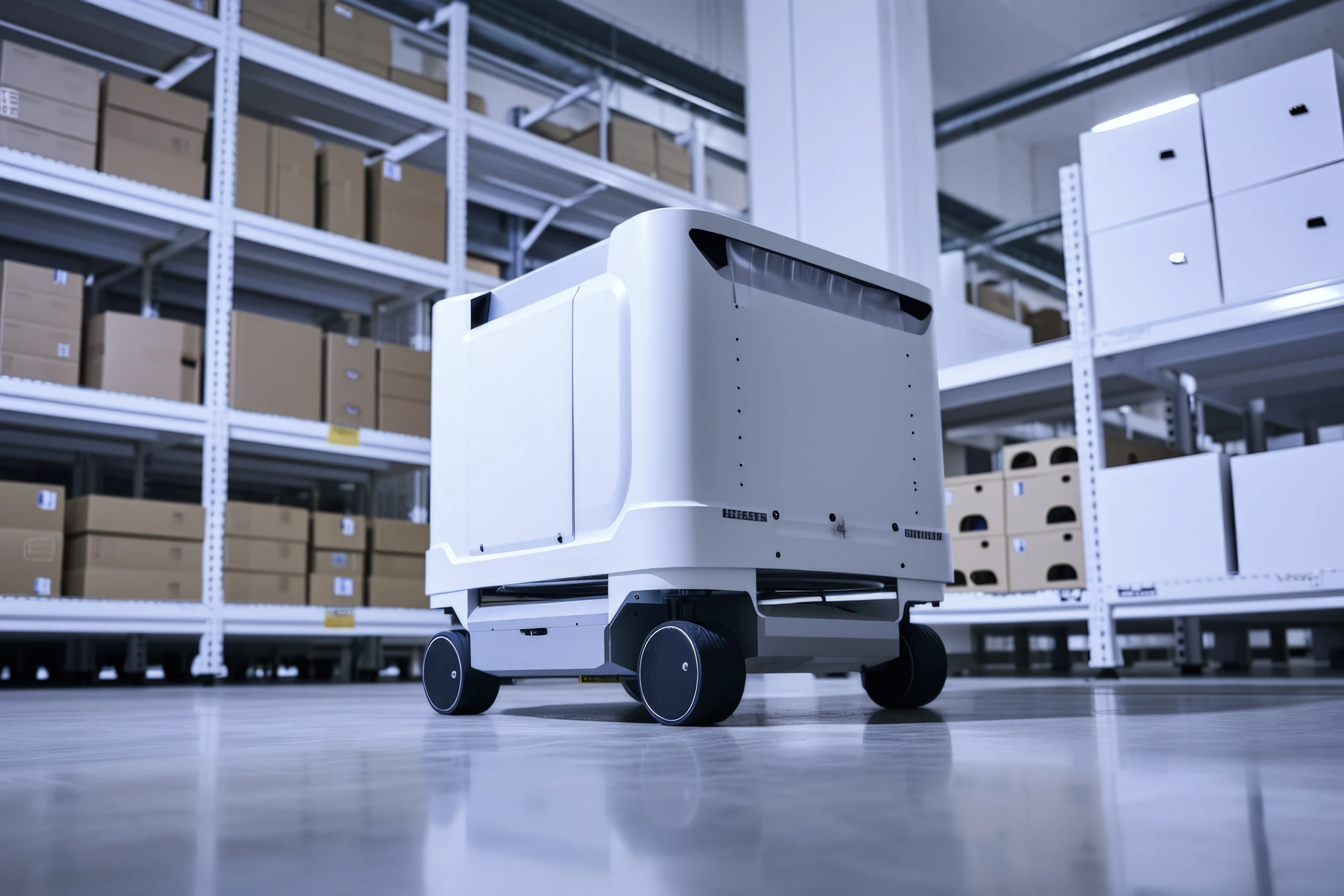
Connect inbound, storage, and outbound stock to dispatch so loading is planned against real availability, not guesswork.
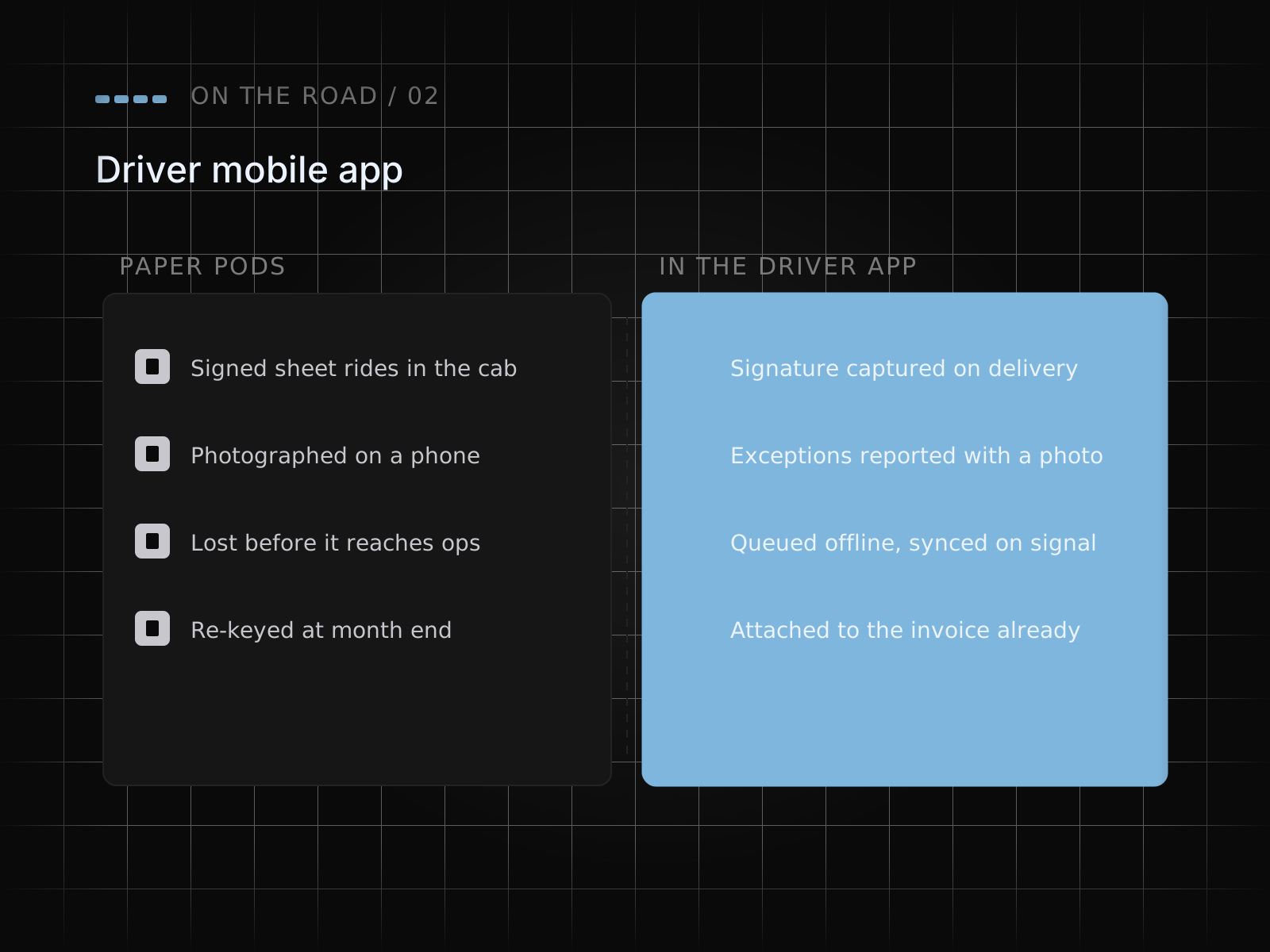
Driver mobile app
A driver app for trip details, navigation, digital proof of delivery, and exception reporting — paper PODs retired for good.
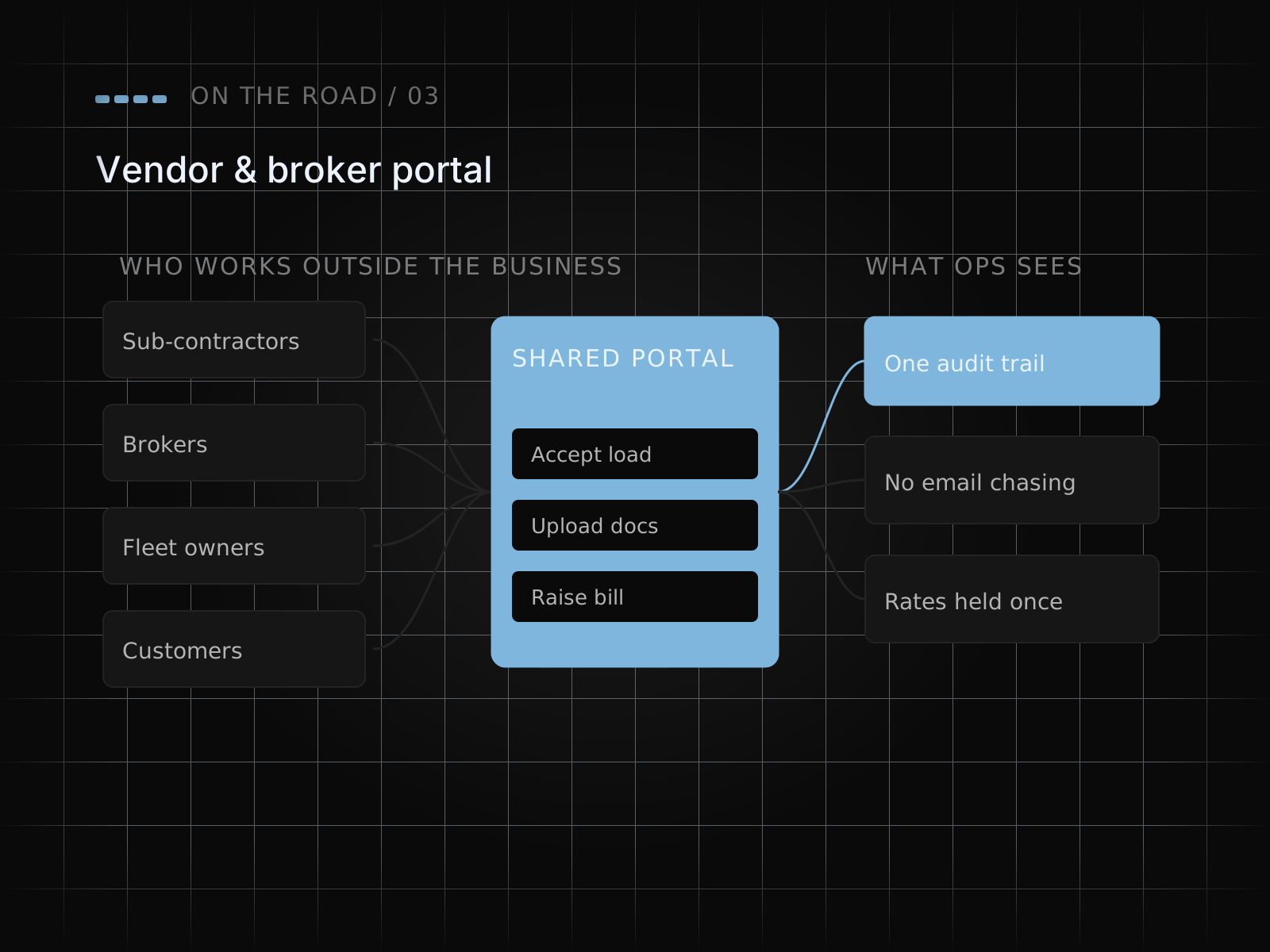
Vendor & broker portal
A portal where sub-contractors and brokers accept loads, upload documents, and submit invoices on a shared, auditable workflow.
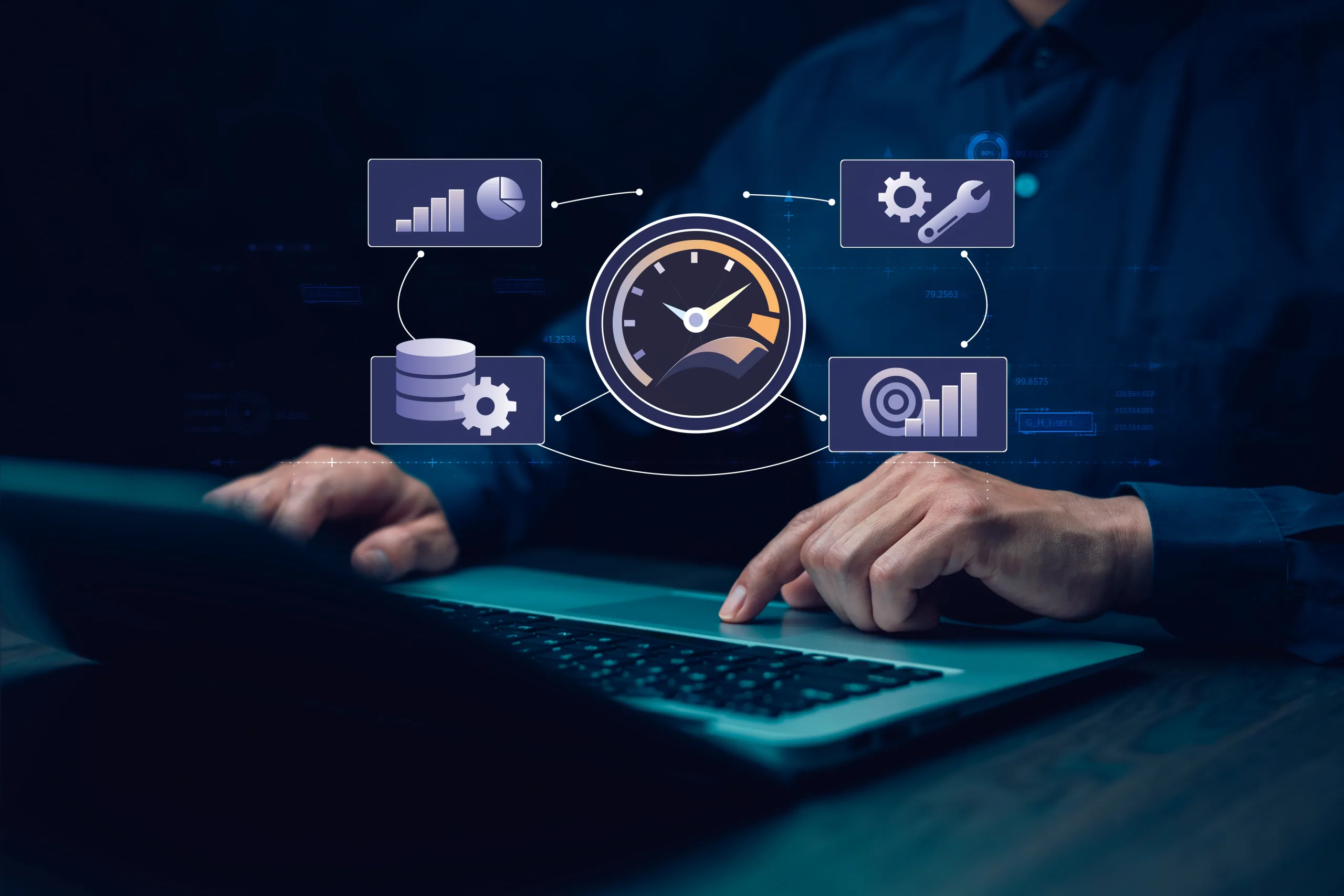
Operations dashboard
One view of on-time rate, fleet utilization, and pending invoices — so managers act on numbers, not gut feel.
Built for the way fleets actually run
A logistics system has to survive patchy depot connectivity, driver turnover, and audit season. We build for those realities from the first sprint.
Offline-tolerant driver app
Drivers can capture proof of delivery and exceptions with weak signal — data syncs the moment the connection returns, with no lost trips.

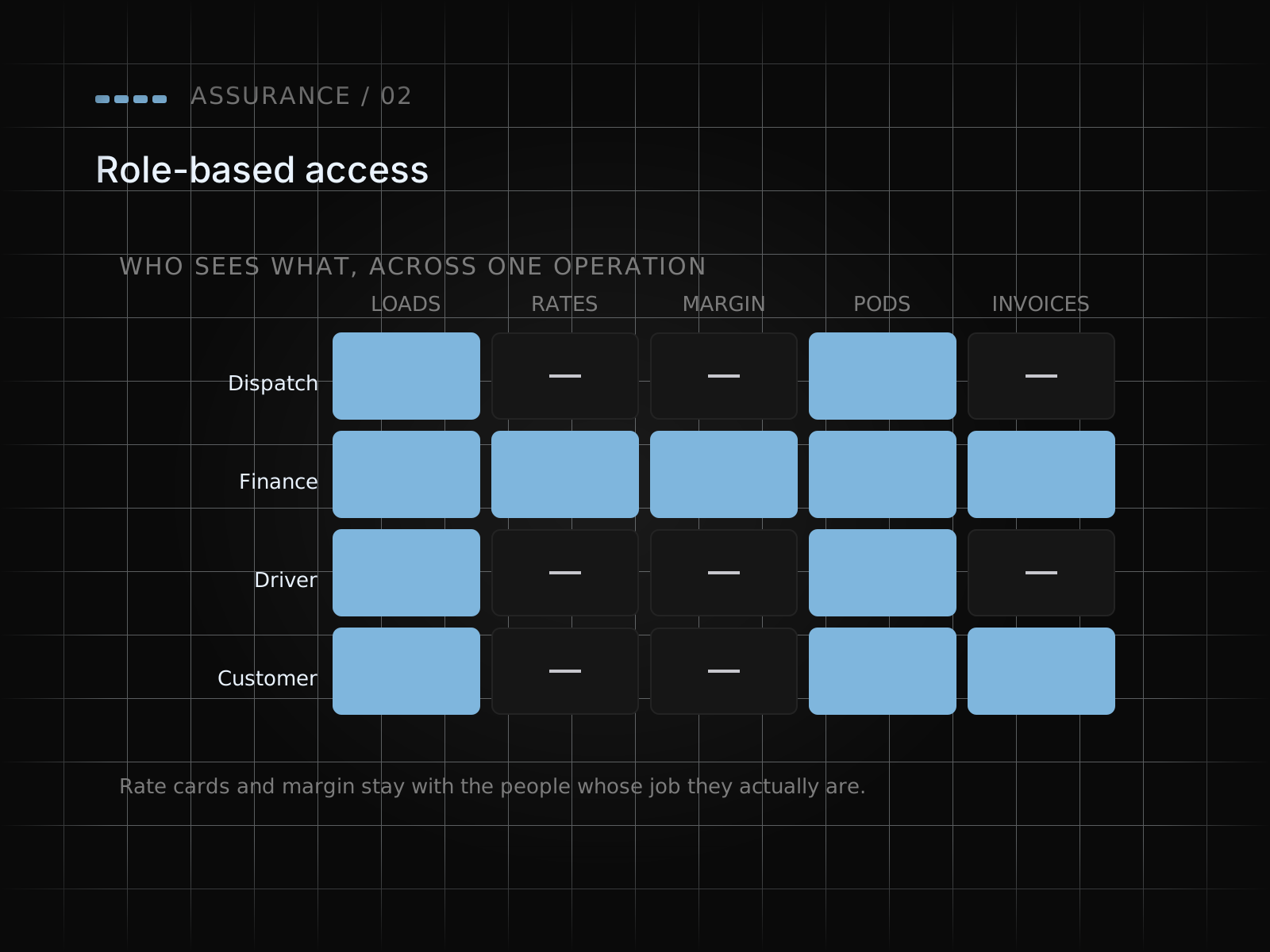
Role-based access
Dispatch, finance, drivers, and customers each see only what their role needs — sensitive rate cards and margins stay with the right people.
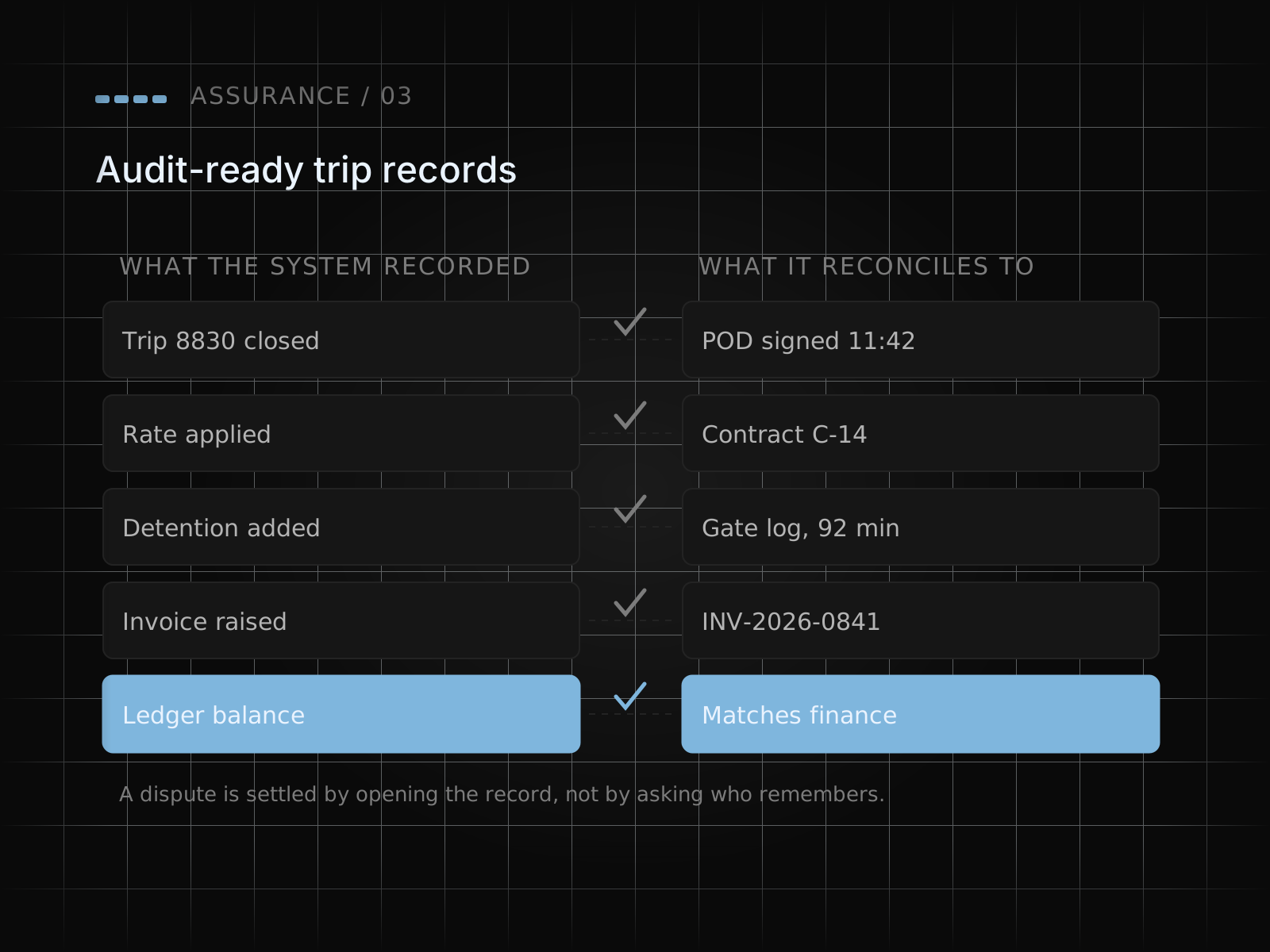
Audit-ready trip records
Every load, status change, and document upload is timestamped and traceable — so disputes and audits are settled with records, not memory.
Secure document handling
PODs, e-way bills, and contracts are stored encrypted with access logging — replacing photos lost in personal phone galleries.
See what we build
Fleet & dispatch systems
Digital dispatch boards that assign loads, track vehicle status, and replace the phone-call check-in with live updates the whole control room can see.
See related workShipment tracking portals
Customer-facing portals that show order status, ETAs, and proof of delivery — cutting the where-is-my-shipment calls your team fields every day.
See related workAI route & demand support
AI that suggests route groupings, flags delivery risk, and forecasts daily volume — so planners start the shift with a defensible plan.
See related workFAQs
With the one operation that hurts most — dispatch, tracking or billing. We digitise a single high-volume depot or lane, prove what it does to turnaround and visibility, and template it across the network from there.
No. The driver app is offline-first: proof of delivery, photographs and exceptions are captured on the phone and queued, then sync the moment the connection returns. No trip is lost to a dead spot.
Yes. The TMS, telematics, warehouse and accounting systems you already pay for stay where they are — we connect them so an order, a vehicle and an invoice stop being three separate records somebody reconciles by hand.
They get a scoped portal instead of an email thread: accept a load, upload documents, submit an invoice. Everything they do lands on the same auditable record your own team works from, and rate cards stay with the people whose job they are.
Weeks rather than quarters, because the first deployment covers one lane or one depot rather than the whole network. What that deployment teaches us is what scopes the next one.